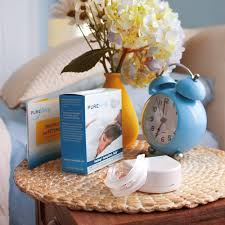
The most common reasons for a less-than-ideal sleep environment are invisible indoor air pollutants and materials that off-gas. Creating a non-toxic bedroom focuses on using natural, breathable materials and ensuring good airflow. This helps reduce exposure to chemicals that can affect sleep quality and overall health.
Understanding Your Bedroom Environment
Your bedroom is more than just a place to sleep. It’s your personal sanctuary. It’s where you recharge for the next day. But many things in a typical bedroom can impact your air quality. These things might even be hurting your sleep. Think about your mattress, your paint, even your cleaning supplies. They can all release chemicals into the air. These chemicals are often called volatile organic compounds, or VOCs. They are invisible. You often can’t smell them. Yet, they can build up over time. This can lead to headaches. It can cause fatigue. It can even make allergies worse.
Why does this matter so much for sleep? While you sleep, your body works hard. It repairs itself. It cleans itself. If the air you breathe is full of toxins, your body has to work harder. It has to deal with those chemicals. This can disrupt your natural sleep cycles. You might wake up feeling groggy. You might not feel truly rested. The goal is to make your bedroom a place that actively supports your body’s rest and repair. This means choosing materials and practices that keep the air clean and natural.
My Own Bedroom Wake-Up Call
I remember a time a few years back. I was having real trouble sleeping. I’d toss and turn for hours. Mornings were a blur of fatigue. I tried everything. I cut out caffeine. I went to bed earlier. I even bought blackout curtains. Nothing seemed to help much. One weekend, I was helping a friend declutter her attic. We found an old, dusty mattress topper. It had a strong chemical smell. It reminded me of a new mattress I’d bought not long before.
That’s when it hit me. Could my new mattress be the culprit? It was a popular memory foam model. The ads promised amazing comfort. But it had a strong smell when I first got it. I’d thought that was normal. I’d just aired out the room a lot. But maybe that smell never fully went away. I started researching. I learned about off-gassing. I discovered how many common bedding materials contain VOCs. I felt a little silly. I’d focused on so many external factors. I hadn’t considered the very foundation of my sleep space. That was my turning point. I decided to make my bedroom a truly safe and healthy place.
Common Bedroom Air Pollutants
Chemicals to Watch For:
- Formaldehyde
- Benzene
- Toluene
- Acetone
- VOCs (Volatile Organic Compounds)
These can come from furniture, carpets, paints, cleaning products, and even certain types of bedding.
The Foundation: Your Mattress and Bedding
When we talk about a non-toxic bedroom, the mattress is usually the first big piece. Many mattresses, especially foam ones, are made with materials that can off-gas. This is often because of the glues and chemicals used to create them. These chemicals can be released into the air over months or even years. The Memory foam mattress industry often uses polyurethane foam. Flame retardants are also common. These can be a concern for health.
What are the better options? Look for mattresses made with natural materials. Organic latex is a great choice. It comes from rubber trees. It’s naturally hypoallergenic. It’s also breathable. Another excellent option is an innerspring mattress with natural fillings. Cotton, wool, and natural latex are good for comfort layers. When buying, check for certifications. Look for GOTS (Global Organic Textile Standard) for organic cotton. GOLS (Global Organic Latex Standard) is key for latex. CertiPUR-US is a good standard for foam. It means the foam is made without certain harmful chemicals. But it’s not as comprehensive as organic certifications.
Your sheets, blankets, and pillows also play a role. Traditional cotton can be grown with a lot of pesticides. Look for organic cotton. Linen and hemp are also fantastic natural fibers. They are durable and breathable. For pillows, consider those filled with organic kapok fiber, buckwheat, or natural latex. Avoid pillows filled with synthetic foams. Even down or feather pillows can be problematic if not processed cleanly. If you’re sensitive, look for those treated without harsh chemicals.
Natural Bedding Material Guide
- Mattress: Organic Latex, Natural Innerspring (with natural fillings), Eco-friendly coils.
- Sheets: Organic Cotton, Linen, Bamboo Lyocell (ensure non-toxic processing).
- Blankets: Organic Cotton, Wool, Organic Latex.
- Pillows: Organic Kapok, Buckwheat Hulls, Natural Latex, Organic Wool.
Beyond the Bed: Furniture and Finishes
Your mattress isn’t the only source of potential toxins. The furniture in your bedroom matters too. Particleboard and MDF (medium-density fiberboard) are common in budget-friendly furniture. They often use glues that contain formaldehyde. This chemical can off-gas for a long time. Solid wood furniture is a much better choice. If you opt for wood furniture, look for pieces finished with natural oils or water-based, low-VOC sealants.
The paint on your walls is another area to consider. Traditional paints often contain high levels of VOCs. These can contribute to that “new paint smell” that lingers. It’s best to choose low-VOC or zero-VOC paints. Many brands now offer these options. They are much healthier for indoor air quality. Look for paints that are specifically labeled as “zero VOC” or “low VOC.”
What about your flooring? Carpets can trap dust, allergens, and chemicals. If you have carpets, vacuum them often with a HEPA filter. Better yet, consider hardwood, bamboo, or natural linoleum flooring. If you want a soft feel underfoot, use natural fiber rugs like wool or organic cotton. Avoid synthetic rugs or those with rubber backing that might off-gas. Even curtains and blinds can be made with materials that release chemicals. Opt for natural fabrics like cotton, linen, or wool.
Furniture & Finish Smart Choices
When Buying Furniture:
- Choose solid wood over particleboard or MDF.
- Look for natural oil or water-based finishes.
- Ask about formaldehyde content if buying composite wood.
When Painting:
- Use Zero-VOC or Low-VOC paints.
- Ensure good ventilation during and after painting.
The Power of Airflow and Ventilation
Even with the best natural materials, your bedroom air needs to circulate. Stagnant air can allow pollutants to build up. Good ventilation is key to a healthy sleep space. This is why opening your windows is so important. Even for a short time each day, fresh air makes a difference. In the summer, you might be able to keep them open all night. In the winter, a few minutes in the morning can help.
What if you can’t open your windows easily? Or what if the outdoor air quality is poor? An air purifier can be a great addition. Look for one with a HEPA filter. This filter can trap small particles like dust, pollen, and pet dander. Some purifiers also have activated carbon filters. These are good at removing odors and VOCs. Make sure the air purifier is the right size for your room. You’ll also need to replace the filters regularly.
Beyond opening windows and using purifiers, consider your cleaning habits. Many conventional cleaning products contain harsh chemicals. These can leave residues on surfaces. They can also release fumes. Opt for natural cleaning solutions. Simple things like vinegar, baking soda, and Castile soap can clean most surfaces effectively. Use microfiber cloths to trap dust. Avoid air fresheners. They often mask odors with more chemicals. Instead, focus on the source of any smells.
Ventilation Tips for Better Air
- Daily Airing: Open windows for 10-15 minutes daily, even in winter.
- Cross-Ventilation: Open windows on opposite sides of the house if possible.
- Air Purifiers: Use a HEPA filter model, especially in high-pollution areas.
- Ventilation Fans: Use bathroom or kitchen fans to clear air outside.
- Plants: Some houseplants can help filter certain air pollutants.
The Subtle Stuff: Lighting and Electronics
Lighting can impact your sleep. Bright lights, especially those with a blue light component, can interfere with melatonin production. Melatonin is the hormone that signals your body it’s time to sleep. Try to use dimmer lights in your bedroom in the evening. Warm-toned bulbs are best. Think about soft lamps instead of harsh overhead lights. Consider blackout curtains not just for light, but also for temperature control.
Electronics are also a growing concern. Many devices emit electromagnetic fields (EMFs). While research is ongoing, many people choose to reduce their exposure. This can include moving Wi-Fi routers out of the bedroom. Unplugging chargers when not in use. And trying to avoid screens for at least an hour before bed. If you use an alarm clock, a battery-operated analog clock is a good option. It avoids the EMFs of plugged-in digital devices.
The overall aim is to create a calm, soothing environment. This means minimizing sensory overload. This includes visual clutter, but also invisible irritants like chemical smells or EMFs. A peaceful room helps your mind and body prepare for deep, restorative sleep. It’s about creating a space that truly supports your well-being.
Your Non-Toxic Bedroom Checklist
Let’s break it down into actionable steps. It doesn’t have to happen all at once. You can make changes gradually.
Mattress and Bedding
- Choose an organic latex or natural innerspring mattress.
- Opt for organic cotton, linen, or hemp sheets and pillowcases.
- Use natural fiber blankets like wool or organic cotton.
- Consider natural fiber pillows (kapok, buckwheat, latex).
- Look for certifications like GOTS, GOLS, or CertiPUR-US.
Furniture and Finishes
- Select solid wood furniture.
- Use low-VOC or zero-VOC paints.
- Choose natural flooring or area rugs (wool, organic cotton).
- Opt for natural fabric curtains and blinds.
- Avoid furniture made with formaldehyde-heavy glues.
Air Quality and Cleaning
- Open windows daily for fresh air.
- Use a HEPA air purifier with a carbon filter.
- Clean with natural, non-toxic products (vinegar, baking soda).
- Avoid chemical air fresheners and scented candles.
- Vacuum regularly with a HEPA filter vacuum.
Lighting and Electronics
- Use warm-toned, dimmable lighting in the evening.
- Consider blackout curtains for light and temperature control.
- Minimize electronics use before bed.
- Move Wi-Fi routers or turn them off at night if possible.
- Unplug chargers and devices when not in use.
When to Seek Expert Advice
While creating a non-toxic bedroom is largely about informed choices at home, there are times when professional help is useful. If you have severe allergies or respiratory issues, an allergist or pulmonologist can offer tailored advice. They might recommend specific air quality testing for your home. An environmental consultant can also test your indoor air for specific pollutants. This can pinpoint problem areas you might not even know exist.
For some people, the journey to a healthier home is a longer one. It might involve professional remediation for issues like mold or significant off-gassing from building materials. Always trust your instincts. If a room consistently feels unhealthy or makes you feel unwell, it’s worth investigating further. The goal is always to create a space that fosters health and restful sleep.
Real Homes, Real Changes
I’ve seen firsthand how changing a bedroom can impact people. My friend Sarah, for example, had terrible headaches every morning. She’d wake up feeling like she’d been hit by a truck. She’d always assumed it was her job stress. But after reading about bedroom toxins, she decided to look at her room. She
Another family I know, the Millers, struggled with their son’s persistent allergies. He was constantly stuffed up and wheezing. They’d tried many medical treatments. Nothing seemed to fully help. They realized their son’s bedroom carpet might be a big part of the problem. They decided to rip it out and install hardwood floors. They added a large, washable wool rug. They also invested in a good air purifier. The change was dramatic. His allergy symptoms significantly improved. He started sleeping through the night without coughing. It shows that even one or two key changes can make a huge difference.
The Cost Factor: Is It Worth It?
Making a bedroom non-toxic can sometimes feel expensive. Organic mattresses and natural bedding can have a higher upfront cost. However, it’s important to think about long-term value. High-quality natural materials often last longer. They are more durable than many synthetic alternatives. You’re investing in your health. You’re investing in better sleep. And better sleep leads to better health overall. This can save you money on medical bills in the long run.
Many brands offer payment plans or financing options. You can also make changes gradually. Start with your pillows or sheets. Then, perhaps save up for a new mattress. Buying secondhand furniture made of solid wood can also be a budget-friendly option. Just be sure to check for any old finishes or damage that might need addressing. Focus on quality over quantity. A few well-chosen natural items are better than many cheap, synthetic ones.
What About Cleaning Products?
Our cleaning habits also contribute to bedroom air quality. Many common household cleaners contain harsh chemicals like ammonia, bleach, and phthalates. These can linger in the air and on surfaces. They can irritate our lungs and skin.
Here are some simple, non-toxic cleaning swaps for your bedroom:
All-Purpose Cleaner: Mix equal parts white vinegar and water in a spray bottle. Add a few drops of essential oil like lavender for scent (optional).
Glass Cleaner: Use the same vinegar and water mix.
Dusting: Use a damp microfiber cloth. This traps dust instead of spreading it.
Floor Cleaner: For wood floors, a damp mop with a solution of water and a few drops of mild Castile soap works well. For tile, vinegar and water is effective.
Freshening Fabric: For curtains or bedding that need a refresh, you can use a fine mist of water mixed with a tiny bit of vodka or witch hazel.
Remember to ventilate your room well when cleaning. Even with natural products, good airflow is important. Avoid harsh scrubbing. Gentle cleaning is often all that’s needed.
The Role of Plants
Adding plants to your bedroom can be more than just decor. Certain houseplants are known to help filter indoor air. They can absorb some common VOCs. While they won’t replace good ventilation or an air purifier, they can contribute to a healthier environment.
Some good options for bedrooms include:
Snake Plant (Sansevieria): Easy to care for and known for converting CO2 into oxygen at night.
Spider Plant (Chlorophytum comosum): Efficient at removing formaldehyde and xylene.
Peace Lily (Spathiphyllum): Helps filter ammonia, benzene, and formaldehyde. It also looks beautiful.
Lavender: While not a strong air filter, the scent is known for its calming properties, promoting relaxation and sleep. You can grow a small potted lavender plant.
Ensure you don’t overwater your plants. Too much moisture can lead to mold growth, which is counterproductive for air quality.
Frequent Questions About Non-Toxic Bedrooms
What is the most important step for a non-toxic bedroom?
The most important step is to focus on your mattress and bedding. These are the items closest to you for the longest periods. Choosing organic and natural materials here makes a big difference in reducing your exposure to chemicals.
How can I tell if my bedroom air is unhealthy?
You might notice persistent odors, headaches, fatigue, or increased allergy symptoms. However, many harmful VOCs are odorless. Using an indoor air quality monitor can give you concrete data. Good ventilation and natural materials are preventive measures.
Are memory foam mattresses bad?
Many memory foam mattresses are made with polyurethane foam, which can off-gas VOCs. While some use low-VOC foams, it’s best to look for mattresses certified by reputable organizations like CertiPUR-US, or opt for natural materials like organic latex for a truly non-toxic option.
How often should I air out my bedroom?
Airing out your bedroom daily, even for just 10-15 minutes, is highly recommended. This helps to flush out accumulated indoor pollutants and bring in fresh oxygen. Opening windows on opposite sides of the house creates better cross-ventilation.
Can I make my existing mattress non-toxic?
You can use a natural mattress topper made from organic latex or wool. Also, ensure you are using organic cotton or linen sheets, which can help create a barrier. However, the core materials of the mattress will still be present.
What are the best natural fibers for bedding?
Organic cotton, linen, and hemp are excellent natural fibers for bedding. They are breathable, durable, and grown without harmful pesticides. Wool is also a great natural option for blankets and mattress pads, offering temperature regulation and natural flame resistance.
Creating Your Healthy Sleep Sanctuary
Building a non-toxic bedroom is a journey. It’s about making conscious choices that support your health and well-being. By focusing on natural materials, good ventilation, and mindful product selection, you can transform your bedroom. It becomes a true sanctuary for rest. You’ll sleep better, feel better, and live healthier. Enjoy creating your peaceful, non-toxic sleep haven.