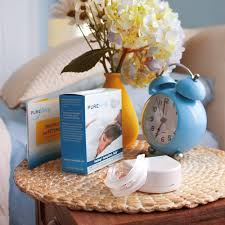
This might seem like a mouthful, but it’s really about making your bedroom a safe, cozy spot for sleep. So many things around us can be tricky. Your bedroom should be your calm haven. We’ll look at how to make it that way. It’s about a healthier you, starting with a healthier room.
Creating a non-toxic bedroom is key for restful sleep and overall well-being. This guide explores simple, effective ways to identify and reduce harmful chemicals in your sleep space, focusing on materials, air quality, and habits. Discover how small changes can lead to significant improvements for a healthier, more peaceful bedroom environment.
Understanding Your Sleep Space’s Chemical Footprint
Your bedroom is more than just a place to sleep. It’s where you spend about a third of your life. Think about that. What’s in your bedroom? Lots of things. Furniture, bedding, paint, rugs. These items can release tiny bits into the air. These bits are called volatile organic compounds, or VOCs.
VOCs can come from many places. New furniture is a big one. Mattresses, too. Even some paints and glues release them. When you breathe them in, they can cause problems. Headaches are common. Some people feel tired or have trouble breathing. Over time, they might lead to bigger health worries.
This is why thinking about a non-toxic bedroom matters. It’s not about being perfect. It’s about making smart choices. Choices that help you rest better. Choices that protect your health. We want your bedroom to be a sanctuary. A place free from worries about what you’re breathing.
My First “Non-Toxic” Bedroom Fiasco
I remember the excitement. I’d just moved into a new apartment. I wanted my bedroom to be perfect. I bought a brand-new, super plush carpet. It felt amazing under my feet. Then came the new bed frame and a fancy, memory foam mattress. I even picked out some brightly colored, synthetic curtains. I thought I was creating a cozy haven.
The first night, I woke up with a pounding headache. I felt stuffy, almost like I had a cold. This went on for days. I couldn’t figure it out. I tried opening windows, but it only helped a little. One day, a friend visited. She has allergies. She took one step into my room and said, “Wow, what’s that smell?” That’s when it hit me. The newness, the plastics, the chemicals. My dream room was making me sick. I learned a hard lesson about what “new” really means for your health. It was an eye-opener.
Room Refresh: Simple Swaps for a Healthier Space
Paint: Choose low-VOC or zero-VOC paints. Look for labels like Greenguard Gold certified.
Bedding: Opt for organic cotton, linen, or bamboo. Avoid synthetic dyes and finishes.
Mattress: Natural latex or organic cotton mattresses are great. Check for certifications.
Furniture: Buy second-hand or look for solid wood pieces with natural finishes.
Choosing Safe Materials for Your Bedroom
The stuff in your bedroom is important. It’s not just about how it looks. It’s about what it’s made of. Many common bedroom items can hold hidden chemicals. Let’s break down what to look for.
Bedding Basics: Sheets, Blankets, and More
Your sheets, blankets, and comforters are right next to your skin. They matter a lot.
Conventional cotton is often grown with lots of pesticides. These can stay in the fabric. The dyes used can also be harsh.
Look for organic cotton sheets. They are grown without harmful pesticides. They are usually dyed with safer, water-based colors. Linen and bamboo are also good choices. They are natural fibers that breathe well.
When you buy new bedding, wash it. Wash it before you use it. This helps remove any loose chemicals. Use a gentle, unscented detergent.
The Mattress Matter
Your mattress is a big investment. It’s also a huge source of potential chemicals. Many mattresses use polyurethane foam. This foam can release VOCs. They also often use chemical flame retardants. These are a big concern for health.
The best choice is a natural mattress. Look for ones made from natural latex. This comes from rubber trees. They are usually covered in organic cotton or wool. Organic cotton mattresses are also a great option. Wool is a natural fire barrier. This means you might not need chemical retardants.
Check for certifications. CertiPUR-US is a good one for foam. It means the foam is made without certain harmful chemicals. Global Organic Textile Standard (GOTS) is excellent for cotton. GOTS ensures organic fibers are processed safely.
Furniture Choices: Wood, Finishes, and Fabrics
New furniture can smell strong. That smell is often VOCs. Particleboard and MDF (medium-density fiberboard) furniture often use glues with formaldehyde. Formaldehyde is a known irritant.
Solid wood furniture is a better choice. Even better is vintage or second-hand furniture. Old furniture has usually had time to off-gas. If you buy new, look for furniture with low-VOC finishes. Water-based lacquers or natural oils are good.
Fabrics for curtains or upholstery can also be tricky. Synthetic fabrics might have chemical treatments. Look for natural fibers like cotton, linen, or wool.
Quick-Scan Table: Safer Bedroom Materials
| Item | Considerations | Safer Choices |
|---|---|---|
| Bedding | Pesticides, dyes, synthetic fibers | Organic cotton, linen, bamboo |
| Mattress | Foam, flame retardants | Natural latex, organic cotton, wool |
| Furniture | Formaldehyde, glues, finishes | Solid wood, vintage, low-VOC finishes |
| Paint | VOCs | Low-VOC or Zero-VOC paints |
Air Quality: The Unseen Element
You can’t see air quality, but you breathe it. Making your bedroom air cleaner is vital. Even with the best materials, things can affect your air.
Ventilation is Your Friend
Fresh air is the best way to clear out stale air. It removes VOCs and other pollutants.
Open your windows every day. Even for just 10-15 minutes. It makes a big difference. Do this when you wake up or before you go to bed. Cross-ventilation is even better. Open windows on opposite sides of your home.
If you live in a busy city, be mindful of outdoor air. On days with high pollution, keep windows closed.
Air Purifiers: A Helping Hand
An air purifier can help clean the air in your room. Look for one with a HEPA filter. HEPA stands for High-Efficiency Particulate Air. These filters can capture tiny particles like dust and pollen.
Some air purifiers also have activated carbon filters. These are great for removing odors and VOCs. Make sure the purifier is the right size for your room. Clean or replace the filters as the manufacturer suggests.
Houseplants for Cleaner Air?
Some plants can help clean the air. NASA did a study on this years ago. Plants like spider plants and snake plants are good choices. They can help remove some common VOCs.
However, plants also need care. They can attract pests. And they release moisture, which can be a problem if your room is already damp. Don’t rely on plants alone for air cleaning. Ventilation and purifiers are more effective.
The Rugged Reality of Bedroom Flooring
Flooring is another big area for hidden chemicals. New carpets can off-gas for a long time. Even some vinyl or laminate flooring can release VOCs.
Carpet Concerns
Wall-to-wall carpeting can trap dust, allergens, and chemicals. It’s often made with synthetic fibers. The backing can contain glues and chemicals. The treatments applied to make it stain-resistant can also be harmful.
If you love carpet, choose eco-friendly options. Look for carpets made from natural fibers like wool. Some carpets are made from recycled materials. Make sure they are certified for low VOCs. Area rugs are often a better choice. You can bring them outside to air them out.
Hardwood and Beyond
Hardwood floors are a popular choice. They are durable and natural. If you choose new hardwood, check the finish. Look for water-based polyurethanes or natural oil finishes. These have fewer VOCs than older types of finishes.
Laminate and vinyl flooring can be budget-friendly. But be careful. They can off-gas chemicals. Look for products that are certified for low emissions.
Contrast Matrix: Rugs vs. Carpets
Myth: All carpets are bad for air quality.
Reality: While some carpets off-gas heavily, natural fiber or certified low-VOC carpets can be a good option. Area rugs offer more flexibility for airing out.
Myth: Hardwood floors are always the safest choice.
Reality: The finish on hardwood floors can contain VOCs. Look for low-VOC or natural oil finishes to ensure safety.
Electronics and Light: Surprising Chemical Sources
We love our gadgets. But they can add to the chemical load in our rooms.
Your TV, computer, and phone all have plastics. These plastics can release chemicals. They also generate heat, which can speed up off-gassing.
Try to keep electronics out of your bedroom if you can. If you must have them, unplug them when not in use. This reduces their energy use and potential emissions.
Lighting is also important. Older light bulbs can contain mercury. LED bulbs are a better choice. They use less energy and don’t contain mercury. They also produce less heat.
Creating a Clutter-Free, Chemical-Free Space
Clutter can make a room feel stressful. It also traps dust. Dust can carry allergens and chemicals. A clean, organized room is a healthier room.
Go through your belongings. Get rid of things you don’t need. Donate them or recycle them. Less stuff means less to clean. It also means fewer potential sources of VOCs.
Think about storage. Use natural materials for storage bins. Wicker or cloth bins are good. Avoid plastic bins if possible. They can off-gas.
The Role of Cleaning Products
What you use to clean your bedroom matters too. Many cleaning products contain harsh chemicals. These can linger in the air and on surfaces.
Switch to natural cleaning solutions. You can make your own with vinegar and water. Baking soda is also a great natural cleaner. Look for cleaning products that are certified as eco-friendly or non-toxic.
Avoid air fresheners. Many of them just mask odors. They release chemicals into the air. Open a window instead.
My “Ah-Ha!” Moment with Natural Cleaning
I used to be a big fan of those strong, floral-scented cleaners. They made the house smell “clean,” right? Wrong. One day, after a deep clean of my bedroom, I had that familiar headache. My eyes felt irritated. I noticed a faint, chemical smell in the air, even though the bottle promised “fresh linen.”
I was already trying to reduce chemicals in my bedding and furniture. It seemed silly to undo all that with my cleaning routine. So, I decided to try a simple vinegar and water spray. I was skeptical. Would it really clean? Would it smell awful?
The first time I used it, I was surprised. It cleaned just fine. And the vinegar smell faded quickly, leaving no chemical residue. My bedroom felt truly clean. It felt lighter. That was the moment I understood that “clean” doesn’t have to mean “chemical.” It was a small change, but it made a noticeable difference in how I felt in my room.
Observational Flow: Building a Non-Toxic Routine
Morning: Open windows for fresh air exchange (10-15 mins).
Daily: Dust surfaces with a microfiber cloth. Keep electronics unplugged when not in use.
Weekly: Wash bedding in a gentle, unscented detergent. Vacuum with a HEPA filter vacuum.
As Needed: Air out rugs or textiles outdoors. Clean spills immediately with natural cleaners.
The Impact on Sleep Quality
Why go through all this effort? Because a non-toxic bedroom can lead to better sleep. When you’re not breathing in harsh chemicals, your body can relax.
Poor air quality can disrupt sleep. It can make you feel restless. You might wake up more often. You might not feel rested when you wake up.
Creating a healthy sleep environment helps your body do its job. It supports your natural sleep cycles. It can lead to deeper, more restorative sleep. This means more energy during the day. It means better focus. It means a happier, healthier you.
When Is It Normal and When Should You Worry?
Some things are normal in any home. A new piece of furniture might have a faint smell at first. That’s usually okay if it fades quickly.
You should worry if:
You or your family experience frequent headaches.
You have unexplained skin rashes or irritation.
You feel consistently stuffy or have trouble breathing in your bedroom.
There’s a persistent, strong chemical smell.
You notice increased allergy or asthma symptoms.
If these things happen, it’s time to investigate your bedroom environment. Start with the biggest items: mattress, bedding, furniture, and flooring.
Simple Checks You Can Do
1. Smell Test: Does your room have a strange or chemical smell?
2. Headache Diary: Do you get headaches more often when you’re in your bedroom?
3. Material Check: What are your mattress, bedding, and furniture made of? Look for labels.
4. Air Out: Open your windows daily. See if it makes a difference.
5. New Item Assessment: Did the symptoms start after buying something new?
Quick Tips for a Healthier Sleep Space
Wash new bedding: Always wash before the first use.
Air out new items: If possible, let new furniture or rugs air out in a garage or outdoors for a few days.
Choose natural fibers: Cotton, linen, wool, bamboo are great.
Look for certifications: GOTS, CertiPUR-US, Greenguard Gold.
Ventilate daily: Open windows for fresh air.
Use natural cleaners: Vinegar, baking soda, and water work wonders.
Declutter: Less stuff means less to clean and less to off-gas.
Unplug electronics: When not in use, unplug devices.
Frequent Questions About Non-Toxic Bedrooms
What is the biggest source of toxins in a bedroom?
The biggest sources are often the mattress, bedding, and furniture due to the materials and chemicals used in their manufacturing. Off-gassing from these items can release volatile organic compounds (VOCs) into the air you breathe while sleeping.
How can I make my existing mattress less toxic?
If you can’t
Are all synthetic materials bad for a non-toxic bedroom?
Synthetic materials can be problematic because they often contain chemicals from their production. However, some modern synthetics are made with fewer harmful chemicals. It’s best to look for certifications that confirm low VOC emissions or choose natural, plant-based fibers whenever possible.
How often should I air out my bedroom?
It’s ideal to air out your bedroom every day, even if it’s just for 10-15 minutes. This allows fresh air to circulate and helps remove stale air, dust, and any chemical vapors that may have accumulated overnight. Cross-ventilation is especially effective.
Can a non-toxic bedroom really improve my sleep?
Yes, absolutely. By reducing your exposure to chemicals that can disrupt your body’s natural processes, you create a more calming and healthier environment. This can lead to deeper, more restorative sleep, helping you feel more rested and energetic throughout the day.
What are VOCs and why are they bad?
VOCs are volatile organic compounds. They are chemicals that can easily turn into gas or vapor at room temperature. Many products in our homes, like paints, cleaning supplies, and furniture, release VOCs.
Breathing them can cause headaches, nausea, and long-term health issues.
Building Your Peaceful Sleep Haven
Creating a non-toxic bedroom is a journey. It’s about making informed choices. You don’t have to do it all at once. Start with small steps. Prioritize the items you use the most, like your mattress and bedding.
Your bedroom should be a place of rest and healing. By reducing the chemical load, you help your body relax. You support better sleep. And you create a healthier environment for yourself and your loved ones. It’s a win-win.