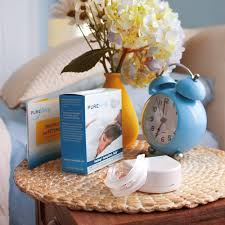
Grow a non-toxic bedroom and sleep social media following by focusing on authentic, helpful content that addresses real user needs and fosters community. Share practical advice, personal experiences, and engage consistently to build trust and authority.
What Is A Non-Toxic Bedroom and Sleep Social Media Following?
This means building an audience online that is interested in creating a healthy, restful sleeping environment. It’s about sharing information on how to make bedrooms safe and conducive to sleep. Think about things like air quality, light, noise, and the materials used in your home.
A following here isn’t just numbers. It’s people who trust your advice. They look to you for honest tips and relatable stories.
They might ask questions and share their own struggles. This kind of following feels like a community. It’s built on genuine connection and shared goals.
My Own Wake-Up Call: The Overlooked Importance of Sleep Space
I remember one particularly rough patch a few years back. I was burning the candle at both ends, working late, and honestly, my bedroom was a disaster. It was cluttered, my air purifier was collecting dust, and I was using cheap, synthetic bedding.
I thought, “Sleep is sleep, right?” Wrong. I was tossing and turning, waking up tired, and my brain fog was legendary. I’d scroll through social media, seeing all these people talking about sleep hacks, but none of it felt like it fit my messy reality.
It hit me: my bedroom environment was actively sabotaging my sleep. That was my personal turning point. I realized how much our sleep space truly impacts our well-being, and I became obsessed with making it better, safer, and healthier.
I started sharing small changes I was making, and to my surprise, people started engaging. They had similar struggles and wanted to learn alongside me.
Quick Scan: Top Bedroom Toxins to Avoid
Air Pollutants: VOCs from paint, furniture, cleaning sprays. Dust mites. Mold.
Chemicals in Materials: Flame retardants in mattresses/bedding. Synthetic dyes in fabrics. Plastics.
Light Pollution: Blue light from screens. Unfiltered streetlights. LED bulbs.
Noise: Street noise. Household appliances. Partner’s snoring.
Electromagnetic Fields (EMFs): From Wi-Fi routers, charging devices near the bed.
Why Focusing on Non-Toxic Bedrooms Matters for Social Media Growth
People are increasingly aware of health and wellness. They want to live better lives. A healthy bedroom and good sleep are huge parts of that.
When you offer solutions, you tap into a real need.
This topic is also very visual. You can show off beautiful, healthy spaces. You can share simple swaps.
This makes your content engaging and shareable. People love seeing transformations and easy tips they can use right away.
It’s also a niche with a lot of heart. People who care about this topic often care about their families and their own well-being. They are looking for trustworthy advice.
Building a following here means building a loyal community.
Content Idea Sparks: Engaging Your Audience
Topic: Natural Sleep Aids
Format: Short video showing how to make a lavender pillow spray.
Topic: Mattress Materials
Format: Quick comparison graphic: Natural Latex vs. Memory Foam (pros/cons).
Topic: Decluttering for Sleep
Format: “Before and After” carousel post of a simplified nightstand.
Topic: Air Quality
Format: Live Q&A with an indoor air quality expert.
Building Your Foundation: Authenticity and Expertise
To grow a following, you need to be real. People can spot fakes from a mile away. Share your own journey, including the ups and downs.
Be honest about what works and what doesn’t.
Also, show that you know your stuff. This doesn’t mean you need a medical degree. It means you do your research.
You cite reliable sources when needed. You explain complex ideas in simple terms. This builds trust.
People will come back because they know they can count on you for good information.
Think about the brands and creators you follow. They often have a clear voice and a consistent message. They show up regularly.
This makes them feel familiar and reliable. You want to be that person for your audience.
Content Pillars for a Thriving Social Media Presence
To keep your content fresh and engaging, focus on a few core topics. These are your content pillars. They should all relate back to creating a healthy bedroom and better sleep.
Pillar 1: The Science of Sleep Space. Explain how light, sound, and temperature affect sleep. Talk about why certain materials are better than others. Keep it simple and easy to understand.
Pillar 2: Practical Swaps and DIYs. Show people easy ways to make their bedrooms healthier. This could be DIY cleaning sprays. It could be choosing organic cotton sheets.
These are actionable tips.
Pillar 3: Real-Life Struggles and Triumphs. Share your own experiences. Talk about challenges you faced. Celebrate small wins.
This makes you relatable. It shows that you understand their journey.
Pillar 4: Expert Insights and Reviews. If you try a new non-toxic product, review it honestly. Share tips from sleep experts or environmental health professionals. Always give credit where it’s due.
Myth vs. Reality: Sleep Environment Edition
Myth
A dark room is enough for good sleep.
Reality
Temperature, air quality, and bedding materials also play huge roles.
Myth
All new furniture off-gasses harmlessly.
Reality
Many new items release VOCs (Volatile Organic Compounds) which can impact air quality.
Engaging Your Community: Beyond Just Posting
Social media is a two-way street. You can’t just post and expect people to flock to you. You need to interact.
Respond to comments and messages. Make people feel heard. Answer their questions thoughtfully. Even a simple “thank you” goes a long way.
Ask questions in your captions. Encourage discussion. Prompt your followers to share their own tips or experiences. This builds a sense of belonging.
Run polls and Q&As. Use your platform’s features to get feedback and engage directly. People love feeling involved.
Go live. This is a great way to connect in real-time. You can answer questions on the spot. You can show behind-the-scenes looks.
Consistency is key. Show up regularly. Whether it’s daily, a few times a week, or weekly, stick to a schedule.
Your audience will learn when to expect content from you.
Leveraging Different Social Media Platforms
Each platform has its strengths. Think about where your ideal audience hangs out and what kind of content works best there.
Instagram: Perfect for visuals. Share beautiful photos of healthy bedrooms. Use Stories for behind-the-scenes looks and quick tips.
Reels are great for short, engaging videos.
TikTok: Ideal for short, punchy videos. You can share quick DIYs, toxin spotlights, or relatable sleep struggles. Trends can help you reach a wider audience.
Pinterest: A visual search engine. People use it for inspiration and saving ideas. Create pins with helpful graphics and links back to longer content (like a blog post, if you have one).
Facebook Groups: Find or create groups focused on healthy living or sleep. These communities can be very engaged. You can share your expertise and build relationships.
YouTube: For longer, more in-depth content. You can do room tours, detailed product reviews, or interviews with experts. This builds deep authority.
Personalized Bedroom Audit Checklist
- Air Quality: Do you open windows daily? Do you use natural cleaning products?
- Light: Are there blackout curtains? Do you avoid screens before bed?
- Bedding: Are your sheets organic and natural? Is your mattress non-toxic?
- Noise: Is your room quiet? Do you use earplugs or a white noise machine if needed?
- Clutter: Is your room tidy and calming?
The Power of Storytelling
Facts are important, but stories connect. People remember how information makes them feel. Share your personal journey with non-toxic living and better sleep.
Tell stories about specific bedroom changes you made and how they impacted you. Describe the process of finding a natural mattress or the relief of breathing cleaner air. These personal narratives make your advice more relatable and memorable.
You can also share stories from your audience (with their permission, of course). Feature a follower who made a great change. Highlight their success.
This celebrates your community and shows the real-world impact of your content.
When you share stories, be descriptive. Use sensory details. What did the new organic sheets feel like?
What was the quiet like after eliminating a noisy appliance? Emotion is powerful. Share your frustration, your hope, your relief.
Content Format Rotation: Keep It Fresh
Week 1:
Monday: Reel showing a quick bedding swap. Wednesday: Carousel post on VOCs in furniture. Friday: Live Q&A on air purifiers.
Week 2:
Tuesday: Pinterest graphic about natural sleep scents. Thursday: Story sharing a follower’s bedroom win. Saturday: TikTok explaining blue light.
When to Worry: Red Flags in Your Sleep Environment
While many sleep issues are normal, some point to bigger problems. It’s important to know when something might be seriously wrong. For example, if you experience persistent, unexplained allergy symptoms only in your bedroom, that’s a flag.
Waking up with headaches or nausea regularly could also be a sign of poor air quality.
Visible mold growth is a definite red flag and needs professional attention. If you notice a strong chemical smell that doesn’t go away, even after airing out the room, it’s worth investigating further. Persistent issues with electronics causing buzzing or humming noises that disrupt sleep should also be addressed.
Remember, your bedroom should be a sanctuary. If it consistently makes you feel unwell or disrupts your sleep in a severe way, it’s time to dig deeper. Sometimes, professional advice from an environmental consultant or a sleep specialist is the best next step.
Quick Tips for a Healthier Sleep Space
Making your bedroom non-toxic doesn’t have to be overwhelming. Start with small, achievable steps. Here are a few ideas:
1. Air it out: Open your windows for at least 15-20 minutes each day. This helps clear out stale air and pollutants.
Even in winter, a quick airing can make a difference.
2. Swap your cleaners: Switch to natural, non-toxic cleaning products. Look for ones made with plant-based ingredients and essential oils.
Avoid harsh chemicals and strong artificial fragrances.
3. Mind your light: Use blackout curtains to block outside light. Switch to warmer, lower-wattage bulbs.
Try to avoid using screens in bed or use blue light filters.
4. Natural bedding: Consider investing in organic cotton, linen, or bamboo bedding. These materials are breathable and free from harsh dyes and chemicals.
It makes a big difference in comfort and health.
5. Declutter: A tidy room can lead to a tidier mind. Remove unnecessary items.
Create a calm, serene atmosphere. Less clutter means less dust too!
The Sleep Environment Checklist: Quick Scan
| Aspect | Ideal State | Actionable Step |
|---|---|---|
| Air Quality | Fresh, clean air | Open windows daily; use natural cleaners |
| Light | Dark and calm | Blackout curtains; dim lighting before bed |
Common Questions About Non-Toxic Bedrooms and SleepWhat are VOCs and why are they bad for bedrooms?VOCs, or Volatile Organic Compounds, are chemicals found in many common household items like paints, furniture, and cleaning products. When released into the air, they can cause headaches, nausea, and breathing problems, especially in a closed-off room like a bedroom where you spend many hours. Is it really possible to have a completely non-toxic bedroom?Achieving a completely non-toxic environment is very difficult. The goal is to significantly reduce your exposure to harmful chemicals and create the healthiest space possible. Focus on making the biggest impact swaps first. How can I improve my bedroom’s air quality without buying expensive purifiers?Regularly airing out your room by opening windows is the most effective free method. Dust and vacuum often to remove dust mites and allergens. Consider adding certain houseplants known for air purification, like snake plants or spider plants. What’s the best type of mattress for a healthy bedroom?Natural latex, organic cotton, and organic wool mattresses are generally considered the best non-toxic options. They avoid synthetic foams, harsh chemicals, and flame retardants often found in conventional mattresses. How do electronics affect sleep in a non-toxic bedroom?Electronics emit electromagnetic fields (EMFs) and blue light. Both can disrupt your body’s natural sleep-wake cycle. Try to keep electronics away from your bed and turn off Wi-Fi at night if possible. Should I worry about the paint in my bedroom?Yes, paint can be a significant source of VOCs. Opt for low-VOC or zero-VOC paints. It’s best to let freshly painted rooms air out for several days or weeks before sleeping in them regularly. |
Sleep disturbance | Use warm lighting; avoid screens |
| Temperature | Cool and comfortable | Use fans; choose breathable bedding |
| Bedding | Natural and breathable | Choose organic cotton, linen, or bamboo |
The Long Game: Patience and Persistence
Growing a genuine social media following takes time. There are no overnight success stories here, or at least, very few that are sustainable. Focus on providing consistent value.
Celebrate the small wins. Did you get more comments on a post than usual? Did someone message you saying your tip helped them?
These are signs you’re on the right track.
Keep learning and adapting. Social media platforms change. User interests evolve.
Stay curious. Stay open to new ideas and feedback. Your dedication to creating a healthier sleep space and sharing that journey authentically will shine through.
Conclusion: Your Path to a Healthier Sleep and Engaged Following
Building a non-toxic bedroom and sleep social media following is about more than just posting pictures. It’s about sharing a passion for well-being. It’s about connecting with others who want the same.
Be real, be helpful, and be consistent. Your audience will grow as you do.