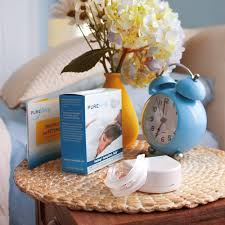
We all want a peaceful night’s sleep. But sometimes, the very things in our bedrooms can get in the way. It’s like trying to rest in a room that’s subtly working against you.
This happens more than you might think. Many common bedroom items can release tiny, unseen things into the air. These can bother us without us even knowing.
We’ll look at how to make your bedroom a truly safe and healthy place. This way, you can get the restful sleep you deserve.
Creating a non-toxic bedroom involves choosing safe materials and ensuring good air quality. This helps you sleep better and feel healthier. You’ll learn about common bedroom hazards and how to avoid them, leading to a more restful and restorative sleep environment.
Understanding Bedroom Toxins
Your bedroom is a place for rest. But it might have more going on than you realize. Many items we use daily can off-gas.
This means they release chemicals into the air. These chemicals are called VOCs. VOC stands for Volatile Organic Compounds.
They can come from many sources. Things like new furniture, paint, and even some cleaning products are common culprits. We breathe this air all night long.
This can affect our health and sleep quality.
Some VOCs are harmless. Others can cause problems over time. They might make your eyes water or your throat feel sore.
They can also lead to headaches. For some people, these chemicals can make sleep harder. They might wake you up more often.
Or you might just feel tired when you wake up. Identifying these sources is the first step. Then, we can make changes.
Many everyday items have VOCs. This includes mattresses, pillows, and bedding. Carpets and rugs are also known sources.
Even some air fresheners can add to the problem. Think about everything in your room. Each item is a potential source.
Learning about them helps you make better choices. It’s about creating a calm space. A space that truly helps you relax and recharge.
Personal Experience: The Unseen Sleep Thief
I remember struggling with sleep for months. I’d toss and turn. I’d wake up feeling groggy, even after eight hours.
I tried everything. I cut out caffeine. I made my room dark and quiet.
Nothing seemed to help much. Then, one weekend, I bought a new mattress. It had a strong chemical smell.
I didn’t think much of it at first. It was supposed to be a “deal.” But the smell lingered for weeks.
Around that time, my sleep got even worse. I started getting headaches. I felt more stressed.
I felt a bit dizzy sometimes. I finally connected the dots. The new mattress was the likely cause.
It was off-gassing those VOCs right into my face all night. I felt a mix of annoyance and worry. How could something meant to help me sleep be hurting me instead?
I did some research. I learned about formaldehyde and other nasty chemicals. They are often found in cheaper furniture and bedding.
It was a stark reminder. What we bring into our homes matters. Especially where we spend so much time sleeping.
I ended up returning that mattress. I researched and bought one made with natural materials. The difference was night and day.
My headaches stopped. My sleep slowly got better. It taught me a valuable lesson about checking what’s in my home.
Quick Bedroom Air Quality Checks
Check for smells: If a new item has a strong chemical smell, it’s likely off-gassing. Let it air out before putting it in your bedroom.
Look at labels: Search for terms like “low VOC” or “certifications” on furniture and bedding.
Ventilate often: Open windows for at least 10-15 minutes each day. Even a few minutes helps.
Consider plants: Some houseplants can help filter indoor air. But don’t overdo it; too many can cause other issues.
Choosing Safe Sleep Surfaces
Your mattress is the biggest item in your bedroom. It’s where you spend about a third of your life. So, what your mattress is made of really matters.
Many traditional mattresses use synthetic foams. These foams can release VOCs. Some common ones are polyurethane and flame retardants.
These chemicals can be bad for your health. They can affect your breathing. They might also cause skin irritation.
Look for mattresses made from natural materials. These are much safer. Natural latex is a great choice.
It comes from rubber trees. It’s breathable. It’s also naturally resistant to dust mites and mold.
Organic cotton is another good option for covers and padding. Wool is also a natural insulator. It helps with temperature regulation.
Plus, wool is naturally flame resistant. This means you don’t need added chemical flame retardants.
When shopping for a mattress, read the labels carefully. Look for certifications. GOTS (Global Organic Textile Standard) is good for organic textiles.
OEKO-TEX is a standard for textiles. It tests for harmful substances. GREENGUARD is a certification for low chemical emissions.
These labels give you confidence. They show the product has been tested. It meets certain safety standards for indoor air quality.
A little research can lead to a much healthier sleep.
Bedding and Textiles: Beyond Comfort
Bedding might seem simple: sheets, blankets, pillows. But these textiles can also hold hidden problems. Conventional cotton farming uses a lot of pesticides.
These chemicals can remain in the fabric. They can then transfer to your skin. They can also become airborne.
Look for organic cotton bedding. This means it’s grown without harmful pesticides. It’s better for the environment too.
What about synthetic fabrics like polyester or microfiber? These are often treated with chemicals. These can include dyes and finishing agents.
Some of these can be irritating. They might also contribute to VOCs. Natural fibers are usually the best bet.
Think linen, hemp, or bamboo (ensure it’s processed in a way that avoids harsh chemicals, like lyocell). These materials are often more breathable. They are also gentler on sensitive skin.
Pillows are another area to consider. Many down or feather pillows are treated. They might be cleaned with chemicals.
Look for pillows filled with natural materials. Organic cotton, wool, or natural latex are good options. Some pillows use shredded natural latex.
Others are filled with organic kapok fiber. Kapok is a fluffy seed fiber. It’s soft and hypoallergenic.
Making smart choices for your bedding ensures a healthier sleep space.
Contrast: Normal vs. Concerning Bedroom Items
| Normal/Safer | Concerning/Higher Risk |
| Organic cotton sheets | Conventional cotton sheets (high pesticide use) |
| Natural latex mattress | Conventional foam mattress (VOCs, flame retardants) |
| Wool blanket | Polyester blanket (chemical treatments) |
| Solid wood furniture sealed with natural oils | Particle board or MDF furniture (formaldehyde glue) |
| Unscented soy or beeswax candles | Synthetic air fresheners or paraffin candles |
Furniture and Finishes: The Silent Contributors
Furniture is a big part of any bedroom. But some furniture materials can be problematic. Particle board and MDF (Medium-Density Fiberboard) are common.
They are made with glues. These glues often contain formaldehyde. Formaldehyde is a known carcinogen.
It can off-gas for a long time. This is especially true in new furniture. Solid wood furniture is usually a safer choice.
But make sure it’s finished with safe products.
Look for solid wood furniture. Check how it’s finished. Many varnishes and paints contain VOCs.
Opt for furniture finished with natural oils. Tung oil or linseed oil are good options. Beeswax finishes are also safe.
If you can’t find naturally finished furniture, look for low-VOC or zero-VOC paints and finishes. These are made to release fewer harmful chemicals. It’s always good to let new furniture air out.
Do this in a well-ventilated area before bringing it into your bedroom.
What about carpets and rugs? Wall-to-wall carpeting can be a big source of indoor air pollution. It traps dust, allergens, and VOCs.
Consider hardwood floors or natural linoleum. If you want rugs, choose natural fibers. Look for wool or natural jute rugs.
Make sure they are made without harsh dyes or treatments. Smaller area rugs are easier to clean. They also contribute less to indoor air pollution.
Creating a Healthy Air Environment
Even with careful choices, some air pollutants can still be present. Keeping the air in your bedroom clean is vital. Ventilation is key.
Open your windows daily. Even for a short time, this can make a big difference. It lets fresh air in.
It pushes out stale, polluted air. It doesn’t matter if it’s cold outside. Just a few minutes of airflow helps.
Air purifiers can also help. Look for purifiers with HEPA filters. These filters are very good at capturing fine particles.
They can catch dust, pollen, and pet dander. Some air purifiers also have activated carbon filters. These help remove VOCs and odors from the air.
Make sure to replace the filters as recommended. A dirty filter won’t work well. It might even spread pollutants.
What about cleaning products? Many household cleaners contain harsh chemicals. These can irritate your lungs.
They can add VOCs to your air. Use natural cleaning solutions. White vinegar and baking soda are powerful cleaners.
They are also safe. For general cleaning, use diluted vinegar. For scrubbing, make a paste with baking soda.
Avoid synthetic fragrances in cleaning sprays and laundry detergents. Opt for unscented versions.
Quick Scan: Non-Toxic Bedroom Staples
- Mattress: Natural latex, organic wool, organic cotton
- Bedding: Organic cotton, linen, hemp
- Pillows: Natural latex, organic kapok fiber, organic wool
- Furniture: Solid wood with natural oil finish, low-VOC paints
- Flooring: Hardwood, cork, natural linoleum, natural fiber rugs
- Paint: Zero-VOC or low-VOC
- Air Purifier: HEPA and activated carbon filters
- Cleaning: White vinegar, baking soda, unscented soaps
Lighting and Electronics: Often Overlooked
We often think about VOCs and chemicals. But other bedroom factors can affect sleep. Lighting is a big one.
Bright lights, especially blue light, can disrupt your body’s natural sleep cycle. Blue light tells your brain it’s daytime. This makes it harder to fall asleep.
Try to use warm, dim lighting in the evening. Lamps with yellow or amber bulbs are good. Avoid overhead bright lights.
If you use electronics in your bedroom, be mindful. TVs, computers, and phones emit blue light. They also produce electromagnetic fields (EMFs).
While research on EMFs is ongoing, some people are sensitive. Try to keep electronics out of the bedroom. If you must use them, turn them off an hour before bed.
Use night mode or blue light filters on screens. Consider an alarm clock that doesn’t emit light. A simple wind-up clock is a good option.
Dust is another common bedroom issue. Dust can contain allergens and irritants. It can worsen sleep for people with asthma or allergies.
Regular dusting and vacuuming are important. Use a vacuum with a HEPA filter. This traps dust particles.
Keep your bedroom clean. Wash bedding frequently in hot water. This helps kill dust mites.
Reducing dust contributes to cleaner air.
Decor and Scent: Adding Safe Touches
Decorations can make your bedroom feel cozy. But some decor items can be harmful. Think about wall art.
Are the paints used on the canvas or frames low-VOC? What about new curtains or drapes? Ensure they are made from natural fibers.
If they are dyed, check the dye type. Scented candles or plug-in air fresheners can be problematic. They often contain synthetic fragrances.
These can cause headaches or respiratory issues.
Instead of artificial scents, consider natural options. Essential oils can be used. But use them sparingly.
Some people are sensitive to strong smells. A diffuser can disperse a small amount of oil into the air. Lavender is known for its relaxing properties.
Peppermint can be invigorating, but perhaps not for bedtime. Always ensure the essential oils you use are pure and therapeutic grade.
Another thing to consider is plants. Some houseplants can improve air quality. They can filter out certain toxins.
Spider plants and snake plants are good choices. They are easy to care for. They can also add a touch of nature to your room.
Just make sure you don’t have too many plants. Too many can increase humidity. This can lead to mold growth in some climates.
Myths vs. Reality: Bedroom Air Quality
Myth: If a mattress doesn’t smell, it’s safe.
Reality: Many harmful chemicals are odorless. Certifications are a better indicator of safety than smell alone.
Myth: Air fresheners make a room healthier by masking odors.
Reality: Air fresheners often add more chemicals to the air. They mask problems instead of solving them.
Myth: Only old furniture releases VOCs.
Reality: New furniture, especially items made with pressed wood and certain glues, can release VOCs for months or even years.
What This Means for Your Sleep
Creating a non-toxic bedroom is a process. It’s not about perfection. It’s about making better choices.
Small changes add up. When you reduce the chemical load in your bedroom, you help your body. Your body can then focus on repairing itself during sleep.
This means deeper sleep. It means waking up feeling more refreshed.
Think about it this way: your body needs a clean environment to rest well. If it’s constantly fighting off toxins, sleep quality suffers. You might experience more restless nights.
You might feel more tired during the day. You could even notice more physical symptoms like headaches or skin issues. A non-toxic bedroom supports your overall well-being.
It promotes better health.
When is it normal to have some concerns? If you notice persistent headaches, unusual fatigue, or skin irritation that seems linked to your bedroom, it’s worth investigating. Always consider the simplest explanations first.
But don’t discount the impact of your environment. Your bedroom should be a sanctuary. It should be a place that actively helps you heal and rest.
Simple Checks for a Healthier Bedroom
- Smell Test: Do any new items have a strong chemical odor?
- Label Scrutiny: Look for certifications like OEKO-TEX or GREENGUARD.
- Ventilation Habits: Do you open windows daily, even for a short time?
- Cleaning Choices: Are you using natural or chemical-heavy cleaners?
- Electronics Use: Are devices kept away from the bed before sleep?
Quick Fixes and Tips for a Healthier Sleep Space
Making a bedroom non-toxic doesn’t require a complete overhaul. Start with one or two areas. Perhaps focus on your mattress or bedding first.
These have a big impact. Then move on to furniture or decor.
Here are some easy tips:
- Air it out: When you buy new items, let them sit in a garage or a well-ventilated room for a few days.
- Wash new textiles: Wash new sheets, blankets, and curtains before using them. Use a natural, unscented detergent.
- Declutter: Less stuff means fewer potential sources of toxins. It also makes cleaning easier.
- Use natural fibers: When possible, choose natural materials over synthetics.
- Unscented everything: Opt for unscented soaps, detergents, and personal care items.
- Dust regularly: A simple task that makes a big difference for air quality.
Frequent Questions About Non-Toxic Bedrooms
What are the most common bedroom toxins?
Common toxins include Volatile Organic Compounds (VOCs) from furniture, mattresses, paints, and cleaning products. Formaldehyde is a major concern. Flame retardants and synthetic fragrances also contribute to indoor air pollution.
Are all memory foam mattresses toxic?
Many traditional memory foam mattresses can off-gas VOCs like formaldehyde. Look for certifications like CertiPUR-US, which tests for certain chemicals, or opt for mattresses made from natural materials like latex for a safer choice.
How can I improve my bedroom’s air quality naturally?
Open windows daily for ventilation. Use an air purifier with a HEPA filter. Choose natural cleaning products.
Avoid synthetic air fresheners and scented candles. Keep the room clean and dust-free.
Is it safe to have plants in my bedroom?
Yes, some plants can help filter indoor air. Good choices include spider plants and snake plants. Ensure you don’t have too many, which can increase humidity and potentially lead to mold.
What is the best way to choose non-toxic paint for a bedroom?
Look for “zero-VOC” or “low-VOC” paints. These paints have minimal or no volatile organic compounds. They are much safer for indoor air quality and your health.
How often should I replace my mattress for health reasons?
Most mattresses need replacing every 7-10 years. This is due to wear and tear, but also because they can accumulate dust mites and allergens over time. Choosing a durable, non-toxic mattress can extend its useful life.
Conclusion: Your Sanctuary for Sleep
Creating a non-toxic bedroom is an act of self-care. It’s about building a space that supports your health. It helps you get the deep, restorative sleep you need.
Every small step you take makes a difference. You are building a healthier environment for yourself. Enjoy your peaceful and refreshing sleep!