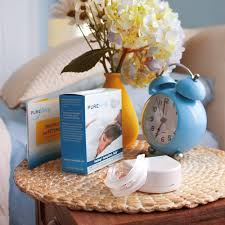
The best books on creating a non-toxic bedroom and improving sleep, as recommended by experts, focus on natural materials, mindful choices, and understanding the science of rest. They aim to help you build a healthier sleep environment for better well-being.
Understanding Your Sleep Space: Beyond Just the Bed
Your bedroom is more than just a place to sleep. It’s where your body and mind recharge. What’s around you can really impact this. Think about the air you breathe. Also consider the things you touch while you sleep. Many items in a typical home can off-gas chemicals. These are called Volatile Organic Compounds, or VOCs. They can affect your health. They can also make sleep harder.
Experts in sleep science and environmental health agree. A clean, safe sleep space is vital. It helps your body relax. It lets your mind quiet down. This is true for everyone. But it’s especially important for kids and those with health issues. Making smart choices about your bedroom items can make a big difference. It’s about creating a peaceful haven.
My Journey to a Healthier Sleep Haven
I remember a time when my sleep wasn’t great. I’d toss and turn. I’d wake up feeling tired. At first, I blamed stress. Then, I started reading about sleep hygiene. Things like cutting out caffeine and screen time helped a little. But I still felt something was missing. I was always a bit stuffy in the mornings.
One weekend, I decided to declutter my bedroom closet. I pulled out old blankets and pillows. I started researching what they were made of. That’s when I learned about flame retardants. And dyes. And synthetic fibers. It was a bit overwhelming. I felt a pang of worry. Was my own bed making me sick? I decided then and there to change things. I wanted a truly restful space. This led me down a rabbit hole of learning. I discovered so many helpful resources.
What Are VOCs?
Volatile Organic Compounds are gases. They come from many common household items. Think paints, cleaners, and furniture.
In the bedroom, they can be in mattresses, carpets, and curtains. Breathing these in can cause headaches. It can also lead to breathing problems.
Some VOCs can affect your sleep quality.
The Science of a Non-Toxic Bedroom
Creating a healthy bedroom isn’t just a trend. It’s rooted in science. Our bodies are sensitive to our surroundings. Especially when we are most vulnerable: sleeping. Your body repairs itself at night. It releases toxins. If your environment is full of toxins, it’s harder for your body to do its job. This can lead to sleep disturbances.
Experts look at things like indoor air quality. They study the impact of materials on our health. For example, natural fibers are better. They don’t release harmful chemicals. They also breathe better. This helps regulate your body temperature. This is key for good sleep. The goal is to minimize exposure. You want to create a space that supports your body’s natural healing.
Expert-Recommended Books for a Healthier Sleep Sanctuary
Finding reliable information can be hard. There’s so much out there. Luckily, many experts have shared their knowledge. They’ve written books that break down complex topics. These books offer practical advice. They guide you toward safer choices. They help you understand why certain things matter. We’ll look at some top recommendations. These cover different angles of creating a non-toxic sleep space.
Deep Dive: What Experts Look For
Experts often focus on a few key areas. They look at:
- Material Safety: What are things made of? Are there harsh chemicals?
- Air Quality: How can we improve the air we breathe indoors?
- Comfort and Support: Does the mattress and bedding support good sleep posture?
- Mindfulness: How can our thoughts and habits affect our sleep environment?
These books aim to empower you. They give you the knowledge to make informed decisions.
Essential Reads for Your Non-Toxic Bedroom Journey
Let’s explore some highly-regarded books. These resources offer deep insights. They are written by people who know their stuff. They share experience and research.
“Sleep Smarter: 21 Essential Strategies to Sleep Your Way to a Better Body, Better Brain, Better Life” by Shawn Stevenson
Shawn Stevenson is a big name in sleep. His book goes beyond just the bedroom. It looks at your whole lifestyle. But he dedicates time to the sleep environment. He talks about light exposure. He explains how it affects your body clock. He also touches on what you have in your room. He advocates for a cool, dark, and quiet space.
Stevenson’s advice is practical. It’s easy to follow. He explains the science in simple terms. This makes it relatable for anyone. He emphasizes making small, sustainable changes. This book is a great starting point. It shows you how connected sleep is to everything else. He shares his own struggles and how he overcame them. This adds a personal touch.
Key Takeaway from “Sleep Smarter”:
Optimize your sleep environment. This means controlling light, temperature, and noise. Your bedroom should signal safety and rest to your brain.
“The Healthy Home: Simple Choices for a Healthy Home, Life, and Planet” by Dave Johnson
Dave Johnson is passionate about healthy living. His book tackles toxins in the home. He looks at all areas, including the bedroom. He provides lists of common culprits. He also offers clear alternatives. He talks about finding non-toxic mattresses. He also covers organic bedding. He explains why these choices matter for your health.
Johnson’s approach is very actionable. He makes it seem less daunting. He stresses that you don’t have to do it all at once. Start with one thing. Then move to the next. His book is like a friendly guide. It helps you navigate confusing product labels. He emphasizes transparency. He wants you to know what you are bringing into your home.
Why Natural Materials Matter (According to Johnson):
- Fewer Chemicals: Natural materials often have fewer added chemicals.
- Breathability: They let your skin breathe. This helps with temperature control.
- Sustainability: Many natural materials are better for the planet.
“The Breathwork Revolution: Use Your Breath to Heal, Live, and Thrive” by Dr. Andrew Huberman (often discussed in his podcast, which informs many resources)
While Dr. Huberman doesn’t have a single book solely on bedrooms, his extensive work, particularly his podcast “Huberman Lab,” is a primary source for understanding the neurobiology of sleep and how our environment plays a role. He deeply explains the science behind sleep cycles. He also discusses how light, temperature, and even the air we breathe affect our ability to fall asleep and stay asleep.
His discussions on breathing techniques, or breathwork, are also highly relevant. Simple controlled breathing can calm the nervous system. This prepares the body for sleep. He often talks about optimizing your room for darkness. He explains why even small amounts of light can disrupt melatonin production. His insights are highly expert-driven. They are based on rigorous scientific research. Many people consider his podcast content a definitive guide.
Huberman’s Environmental Sleep Tips:
- Darkness is Key: Use blackout curtains. Remove any glowing electronics.
- Cooler is Better: Aim for a room temperature around 60-67°F (15-19°C).
- Listen to Your Body: Pay attention to how your environment makes you feel.
“The Mindful Way Through Depression” by Mark Williams, John D. Teasdale, and Zindel V. Segal
This book might seem different. It’s about depression. But mindfulness is hugely important for sleep. Many sleep problems stem from racing thoughts. Or anxiety about not sleeping. This book teaches mindfulness-based cognitive therapy (MBCT). It helps people observe their thoughts. It teaches them not to get caught up in them.
Applying MBCT to sleep can be life-changing. It helps you detach from worries. It reduces the pressure to sleep. This paradoxically helps you relax. And relaxation is the first step to sleep. The bedroom can be a place where anxious thoughts come alive. Learning to manage them is crucial. This book offers tools for that. It helps create a calmer inner state. This translates to a calmer bedroom experience.
Mindfulness for Sleep:
Observe, don’t judge. When thoughts about sleep arise, notice them like clouds passing. Let them go. Focus on your breath.
Feel the weight of your body on the bed.
“Clean: The New Science of Imperfect Health” by James Hamblin
Dr. James Hamblin challenges conventional ideas. He looks at health from a broad perspective. In “Clean,” he discusses our constant pursuit of “cleanliness.” He questions whether we’ve gone too far. This book helps balance the pursuit of a non-toxic environment. It encourages a more natural, less anxious approach.
He talks about our microbiome. He discusses how exposure to some microbes can be good. This is relevant to bedroom cleaning. Over-sanitizing might not always be best. It’s about finding a balance. He encourages embracing a bit of imperfection. This can reduce stress. And stress is a major sleep disruptor. This book offers a refreshing perspective. It helps you avoid obsession. It guides you to smart, sensible choices.
A Balanced Approach to a Healthy Bedroom:
Avoid extremes. A healthy bedroom is clean and safe. But it doesn’t need to be sterile. Focus on reducing major toxins.
Embrace a natural living approach.
Real-World Context: Bedroom Toxins in American Homes
Many everyday items in American homes can harbor toxins. This is not about blaming anyone. It’s about awareness. Let’s look at common sources.
Mattresses
Traditional mattresses often contain polyurethane foam. They also have chemical flame retardants. These are added to meet fire safety standards. But they can release VOCs. Some research suggests these chemicals are linked to health issues.
I remember when my old mattress started to sag. I knew I needed a new one. The options were endless. I felt overwhelmed by marketing. Then I started looking at the materials. I learned about mattresses made from natural latex. Or organic cotton and wool. It was a revelation. The price was higher. But the peace of mind was worth it. This is a big investment. Reading reviews and understanding materials is key.
Bedding
Standard sheets and comforters can be dyed with harsh chemicals. They might be made from synthetic fibers. These can trap heat. They can also off-gas. Organic cotton is a great alternative. So are linen and Tencel.
My first switch was to organic cotton sheets. It was a small change. But I noticed a difference. They felt softer. They seemed to keep me cooler at night. It felt good to know I wasn’t sleeping on synthetic dyes.
Furniture and Decor
New furniture often has a “new smell.” This is often off-gassing from glues and finishes. These contain VOCs. Look for solid wood furniture. Or items with low-VOC finishes. Even paint can be a source. Choose low-VOC or zero-VOC paints.
Curtains and carpets can also be culprits. They can hold dust. They can also off-gas. Natural fiber curtains are a good choice. For carpets, consider wool or natural fibers. Or go with wood or tile floors.
Quick Scan: Bedroom Item Check
| Item | Potential Toxins | Safer Alternatives |
|---|---|---|
| Mattress | Foam, Flame Retardants | Natural Latex, Organic Cotton/Wool |
| Bedding | Dyes, Synthetics | Organic Cotton, Linen, Tencel |
| Paint | VOCs | Low-VOC or Zero-VOC Paint |
| Furniture | Glues, Finishes | Solid Wood, Low-VOC Finishes |
What This Means for You: Creating Your Personal Sleep Haven
Understanding these factors is empowering. It means you can make informed choices. It’s not about perfection. It’s about progress.
When It’s Normal to Worry (and When Not To)
It’s normal to feel concerned about your health. Especially when you’re not sleeping well. The goal is to create a supportive environment. It’s not about living in a bubble. Many natural materials have been used for centuries. They are safe.
Don’t let the pursuit of “non-toxic” become stressful. Stress is a bigger sleep disruptor than most minor toxins. Focus on the big wins first. Things like your mattress and bedding. Then gradually make other changes.
Simple Checks for Your Bedroom
Smell Test: Does your room have a lingering chemical smell? Especially when new items are introduced?
Air Quality: Do you wake up with headaches or a dry throat? Consider using an air purifier with a HEPA filter.
Material Labels: When buying new items, check the labels. Look for certifications like GOTS (Global Organic Textile Standard) or OEKO-TEX.
Ventilation: Open windows when you can. Fresh air is your best friend.
Contrast: Normal vs. Concerning
Normal: A new mattress has a slight new smell for a few days. Opening windows helps clear it.
Concerning: A strong chemical smell persists for weeks. Or you experience headaches regularly after spending time in the room.
Quick Tips for a Healthier Bedroom
Based on expert advice, here are some simple steps you can take:
Choose Natural Fibers: Opt for organic cotton, linen, or wool for bedding and curtains.
Invest in a Good Mattress: Look for natural latex or organic options. Check certifications.
Use Low-VOC Paints: When painting, select paints with minimal or no VOCs.
Ventilate Regularly: Open windows daily, even for a short time.
Minimize Electronics: Reduce electromagnetic field (EMF) exposure. Keep devices away from your bed.
Control Light: Ensure your room is as dark as possible at night. Use blackout curtains if needed.
Consider an Air Purifier: A good air purifier can help remove airborne particles and VOCs.
Clean with Natural Products: Avoid harsh chemical cleaners in your bedroom.
Stacked Micro-Sections: Easy Bedroom Upgrades
Wash New Bedding: Always wash new sheets and pillowcases before use. This can remove residual finishes.
Declutter: Less stuff means less to hold dust and chemicals. Keep your bedroom simple.
Dust Regularly: Use a damp cloth to capture dust, not just move it around.
Frequently Asked Questions About Non-Toxic Bedrooms
What is the single most important thing I can do for a non-toxic bedroom?
Many experts agree that your mattress is a key area. It’s where you spend the most time. Look for natural latex or organic options.
Ensure it’s made without harmful chemicals.
Are all synthetic materials bad for sleep?
Not necessarily all. Some modern synthetic performance fabrics are designed for breathability. However, many conventional synthetics can off-gas.
They can also trap heat. Natural fibers are generally preferred for their breathability and lack of harsh chemicals.
How can I make my bedroom darker without buying expensive blackout curtains?
You can layer existing curtains. Or use thick blankets or sheets temporarily to cover windows. Ensure any light-emitting electronics are covered or removed from the room.
Is organic bedding really worth the extra cost?
For many, yes. Organic bedding is free from pesticides and harsh dyes. It’s often softer and more breathable.
If you have sensitivities or want to minimize chemical exposure, it’s a worthwhile investment.
What about EMFs from electronics in the bedroom?
Experts suggest minimizing electronics in the bedroom. If possible, turn off Wi-Fi at night. Keep phones and other devices away from your bed.
Consider unplugging chargers when not in use.
How often should I wash my bedding?
Washing your bedding weekly is a good practice. This helps remove sweat, oils, and allergens. Use a gentle, natural detergent.
Conclusion: Your Path to Restful, Healthy Sleep
Creating a non-toxic bedroom is a journey. It’s about making conscious choices. The books we’ve discussed offer fantastic guidance. They blend science, experience, and practical advice. You can learn to identify potential issues. You can then find safer alternatives. Remember to start small. Focus on what feels most impactful for you. Your bedroom should be a haven. A place where you can truly rest and recharge. Making it a non-toxic space supports your health. It supports your sleep. And it supports your overall well-being.