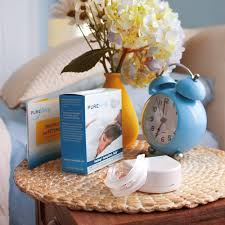
Many times, the culprit isn’t what we’re doing, but what’s around us. Our bedrooms, where we spend a huge chunk of our lives, can be silently filled with things that hurt our sleep and our health. This is especially true for creating a non-toxic bedroom. We’re diving deep into this today, not just to point fingers at what’s bad, but to show you how simple, everyday steps can make a world of difference. You’ll learn how to spot sneaky toxins and how to swap them out for healthier choices. Let’s make your sleep space a true sanctuary.
Creating a non-toxic bedroom involves reducing exposure to harmful chemicals found in common household items. This means making mindful choices about bedding, furniture, air purifiers, and cleaning products. Small changes in your daily routine can lead to a healthier and more restful sleep environment.
What Makes a Bedroom “Non-Toxic”?
When we talk about a “non-toxic bedroom,” we mean a space that has very few harmful chemicals in the air and in the things we touch. These chemicals can come from many places. They might be in paints, glues, fabrics, or even the dust that collects. These things can affect our breathing and our overall well-being.
Think about it like this: our bodies are working hard while we sleep to repair and refresh. If our sleep space is filled with things that make our bodies work even harder to fight off toxins, that repair job gets tougher. A non-toxic room helps your body do its best work.
Common culprits include Volatile Organic Compounds (VOCs). These are gases released from many products. They can cause headaches, eye irritation, and long-term health issues. Formaldehyde is another one to watch out for, often found in furniture and building materials. Flame retardants in furniture and mattresses are also a concern.
My Own Bedroom Wake-Up Call
I remember one particular week a few years back. I was so tired, all the time. I’d fall asleep okay, but then wake up in the middle of the night feeling a bit buzzy, like my brain wouldn’t turn off. My nose felt stuffy, and I kept having these weird, phantom smells. I blamed it on work stress, or not drinking enough water. I was totally missing the obvious.
One evening, I was dusting my bedroom dresser. It was an older piece, maybe from the 70s, and I’d never really thought about what it was made of. As I wiped it down, a strong chemical smell hit me. It was faint, but undeniable. Suddenly, everything clicked. My mattress was old too, and I knew it had been treated with some kind of flame retardants back in the day.
I suddenly pictured all these hidden chemicals in my mattress, my dresser, even in the rug. It was a bit alarming, honestly. I felt a rush of wanting to fix it right then and there. I realized my “sanctuary” was probably making me sick. That feeling of worry turned into a drive to learn and change things, starting with that very room.
Bedroom Toxins: Quick Scan
What to Look For:
- Off-gassing from new furniture or paint.
- Chemical smells from plastics, treated wood, or synthetic fabrics.
- Dust that carries settled chemicals.
- Air fresheners and scented candles releasing VOCs.
Breathing Easier: Air Quality in Your Sleep Space
The air we breathe is super important for sleep. In a typical home, the air inside can be more polluted than the air outside. This is often due to chemicals from everyday items. In the bedroom, we spend hours breathing this air, making it a key place to focus on for air quality.
Think about the materials used in your bedroom. New mattresses, carpets, and furniture can release VOCs. Even some paints and cleaning supplies contribute to indoor air pollution. These gases can linger for months or even years. They can cause headaches, make allergies worse, and disrupt sleep.
To improve your bedroom air, ventilation is key. Open windows when you can. Even a few minutes can help clear out stale, polluted air. Using an air purifier can also make a big difference. Look for ones with HEPA filters. These filters capture small particles like dust, pollen, and mold spores. Some also have activated carbon filters to absorb odors and VOCs.
Air Quality Boosters
Simple Steps:
- Open windows for at least 10-15 minutes daily.
- Use a quality air purifier with HEPA and carbon filters.
- Choose low-VOC paints when redecorating.
- Limit artificial air fresheners; opt for natural methods.
Bedding and Textiles: What You Sleep On Matters
The sheets, blankets, and pillows we use every night are in direct contact with our skin for hours. This makes the materials they are made from very important for a non-toxic bedroom. Many conventional textiles are treated with chemicals. These can include dyes, finishes, and flame retardants.
Cotton, for example, is often grown using a lot of pesticides. When you buy conventionally produced cotton bedding, you might be bringing those residues into your room. Even the dyes used can contain heavy metals or other harmful substances. Flame retardants are a major concern. They are added to meet fire safety standards, but can leach into the air and dust.
Choosing natural and organic materials is a smart move. Look for bedding certified by organizations like the Global Organic Textile Standard (GOTS). This means the cotton is grown without synthetic pesticides and fertilizers. It also means it’s processed without harsh chemicals. Natural dyes are also a better choice. For pillows and duvets, consider fillings like organic cotton, wool, or natural latex. These materials are breathable and less likely to off-gas.
Textile Choices for a Healthier Sleep
Organic vs. Conventional:
| Conventional Cotton | Often treated with pesticides and harsh dyes. |
| Organic Cotton (GOTS Certified) | Grown without synthetic pesticides/fertilizers, processed with fewer chemicals. |
| Synthetic Fabrics (Polyester, Nylon) | Can off-gas VOCs and may be treated with chemicals. |
| Natural Fabrics (Linen, Hemp, Bamboo) | Generally a better choice when sustainably sourced and processed. |
Furniture and Furnishings: The Foundation of Your Room
The furniture in your bedroom is a big part of its overall environment. Mattresses, bed frames, nightstands, and dressers can all contribute to a less-than-ideal air quality if they are made with certain materials. This is especially true for particleboard, MDF (medium-density fiberboard), and finishes like glues and paints.
Many furniture items use glues and adhesives that contain formaldehyde. This chemical is a known carcinogen. It can be released into the air for a long time, a process called off-gassing. Upholstered furniture often contains flame retardants. These chemicals have been linked to health problems. Even some wooden furniture, if not properly sealed, can release VOCs.
When choosing new furniture, look for solid wood pieces. These are generally safer than composite woods. If you do buy furniture made from particleboard or MDF, try to find items that are certified as low-VOC or formaldehyde-free. Certifications like GREENGUARD can be helpful. Natural finishes like beeswax or natural oils are also better than synthetic lacquers.
Furniture & VOCs
Key Terms to Know:
VOCs (Volatile Organic Compounds): Gases released from many building materials, furniture, and products. Can cause health issues.
Formaldehyde: A common VOC found in glues and resins. Often off-gasses from composite wood products.
GREENGUARD Certified: Products that have been tested for chemical emissions and meet strict standards for indoor air quality.
Cleaning and Maintenance: Keeping Your Space Healthy
How we clean our bedrooms plays a big role in their toxicity. Many conventional cleaning products contain harsh chemicals. These can include ammonia, chlorine bleach, and synthetic fragrances. When we use these products, the fumes can linger in the air. They can also leave residues on surfaces that we touch.
These chemicals can irritate our lungs, eyes, and skin. For people with asthma or allergies, they can trigger symptoms. Even simple dusting can resuspend settled chemicals into the air. We want our cleaning routine to make the room healthier, not add to the problem. This is where adopting a simpler, greener cleaning approach really helps.
Switching to natural cleaning alternatives is a great step. You can use simple ingredients like white vinegar, baking soda, and castile soap. These are effective cleaners and much gentler. For dusting, use a damp microfiber cloth. This traps dust and particles instead of just scattering them. Regular vacuuming with a HEPA filter can also remove dust and allergens from carpets and upholstery.
Simple & Safe Cleaning Swaps
Your Non-Toxic Cleaning Kit:
- White Vinegar: Great for surfaces, glass, and deodorizing.
- Baking Soda: A gentle abrasive and deodorizer.
- Castile Soap: A plant-based soap for general cleaning.
- Essential Oils (e.g., lavender, tea tree): For natural scent and some cleaning properties (use sparingly).
- Damp Microfiber Cloths: For dusting and wiping.
Lighting and Electronics: Unseen Stressors
Even the way we light our bedrooms and the electronics we keep there can impact our sleep. Bright, cool-toned artificial lights can confuse our brains. They tell our bodies it’s still daytime, making it harder to fall asleep. This is especially true for the blue light emitted by screens.
Electronics like TVs, phones, and computers also emit electromagnetic fields (EMFs). While the long-term effects are still studied, many people choose to minimize their exposure, especially at night. Having too many devices charging or on standby in the bedroom can contribute to a sense of restlessness.
Consider using warmer, dimmer lights in the evening. Lamps with warm-toned bulbs are better than overhead bright lights. If you use electronics in the bedroom, try to put them away or turn them off at least an hour before sleep. Using a “night mode” on your devices can reduce blue light. Some people also choose to unplug devices they aren’t actively using. This can reduce EMF exposure and save energy.
Smart Lighting & Tech Habits
Evening Routine Tips:
- Swap bright bulbs for warm, dim ones in lamps.
- Avoid screens for 1-2 hours before bed.
- Use blue light filters on devices if screens are necessary.
- Unplug chargers and devices not in use.
Incorporating Non-Toxic Choices into Your Daily Workflow
Making your bedroom non-toxic doesn’t mean a huge renovation. It’s about small, consistent changes in your everyday habits. Think of it as a workflow for your home. Each step is about making a better choice, one at a time. This makes the process feel less overwhelming and more achievable.
Start with one area. Maybe it’s your bedding. Instead of buying new synthetic sheets, look for organic cotton or linen next time you need them. Or perhaps it’s your cleaning supplies. Keep a small basket with your natural cleaners under the sink. Make reaching for those the automatic choice.
When you buy something new for your bedroom, even something small like a picture frame or a rug, pause for a moment. What is it made of? Does it have a strong smell? A little awareness goes a long way. This thoughtful approach to acquiring new items helps maintain a healthier environment over time.
Daily Workflow: Non-Toxic Checkpoints
Integrate These Habits:
- Mindful Shopping: Check labels for certifications (GOTS, GREENGUARD).
- Ventilation Routine: Open windows daily, even for a few minutes.
- Natural Cleaning Choice: Keep DIY or eco-friendly cleaners handy.
- Pre-Sleep Tech Wind-Down: Power down devices before bed.
- Scent Awareness: Avoid synthetic air fresheners and strong perfumes.
What This Means for Your Sleep Quality
The goal of a non-toxic bedroom is to create a truly restorative environment. When you reduce your exposure to harmful chemicals, your body can relax more deeply. This means better sleep initiation and less waking up during the night. You might find that you wake up feeling more refreshed and energized.
A cleaner air environment can also reduce nighttime breathing issues. If you suffer from allergies or asthma, a less toxic room can lead to fewer flare-ups. This allows for more consistent, deeper sleep. It’s about supporting your body’s natural healing processes during the hours you are most vulnerable.
Think of it as clearing the clutter not just from your room, but from your body’s pathways. When your system isn’t busy processing toxins, it has more resources for rest and repair. The benefits extend beyond just sleep; a healthier home often leads to a healthier you overall.
Simple Swaps for a Healthier Sleep Space
Let’s break down some easy swaps you can make. These are practical, often cost-effective changes that don’t require a complete overhaul. The key is to
Bedding: Instead of conventional cotton sheets, opt for GOTS-certified organic cotton, linen, or hemp. They are softer, more breathable, and free from pesticide residues. For pillows and duvets, choose organic cotton, wool, or natural latex fillings over synthetic ones.
Mattress: When it’s time for a new mattress, look for organic options made with natural latex, organic cotton, and organic wool. Avoid mattresses with heavy chemical treatments or synthetic foams. Consider a mattress protector made from organic cotton or wool to safeguard your mattress and reduce exposure.
Paint: If you’re painting your bedroom, choose low-VOC or zero-VOC paints. These have minimal chemical emissions. Look for water-based options and natural pigments.
Curtains and Rugs: Opt for natural fiber curtains like cotton or linen. Avoid synthetic materials that can off-gas. For rugs, choose wool, cotton, or jute. Make sure they are dyed with natural dyes if possible. Some companies offer low-VOC options for synthetic rugs, but natural fibers are often the safest bet.
Air Fresheners: Ditch artificial air fresheners, plug-ins, and scented candles made with synthetic fragrances. Instead, open windows, use an air purifier, or diffuse a few drops of pure essential oils like lavender or chamomile.
Cleaning Supplies: As mentioned, switch to natural cleaners. You can buy them pre-made or easily make your own. Keep them in a visible spot to remind yourself to use them.
Storage: If you have items like plastic storage bins, consider replacing them with wood, metal, or natural fabric options over time. This is especially important for items that might store linens or clothing long-term.
Easy Non-Toxic Swaps Checklist
Focus on these areas:
- Bedding: Organic cotton, linen, hemp.
- Mattress: Natural latex, organic wool/cotton.
- Paint: Low/zero-VOC.
- Window Treatments: Natural fibers (cotton, linen).
- Flooring: Wool, cotton, jute rugs.
- Scents: Essential oils, fresh air.
- Cleaners: Vinegar, baking soda, castile soap.
When is a “Toxic” Element Normal?
It’s important to note that completely eliminating all “toxins” is almost impossible in modern life. The goal is to reduce exposure significantly. Some materials have a mild, natural odor that dissipates quickly and isn’t harmful. For example, a new piece of solid wood furniture might have a faint woody smell that is not a concern.
Similarly, a new, natural fiber rug might have a slight smell from its natural dyes or fibers. This is usually very different from the sharp, chemical smell of synthetic materials. The key indicator is the type of smell and how long it persists. A strong, lingering chemical odor is a red flag. A mild, natural scent that fades is generally not.
Even dust can contain traces of chemicals from the environment. Regular cleaning and good ventilation help manage this. Focus on the most significant sources of exposure: the items you sleep on, the air you breathe constantly, and the products you use directly on your skin or in your home.
When to Be Concerned
You should be concerned if you notice a strong, persistent chemical smell in your bedroom, especially from new items. If you or other household members experience frequent headaches, dizziness, eye irritation, or respiratory problems that seem to worsen in the bedroom, it’s a sign. Skin rashes or unexplained fatigue could also be linked.
If you’ve brought new furniture into the room and these symptoms started shortly after, that’s a strong clue. Children are often more sensitive to toxins than adults. If you have children sleeping in the room and they show signs of illness or discomfort, pay close attention to the environment. Look for warning signs like “off-gassing” from mattresses, furniture, or carpets.
The Consumer Product Safety Commission (CPSC) in the U.S. provides information on chemical safety. Organizations like the Environmental Protection Agency (EPA) also offer resources on indoor air quality. If you’re unsure about a specific product, it’s worth researching its materials and potential health impacts. Don’t hesitate to contact manufacturers with questions about their product’s composition.
Simple Checks You Can Do
First, do a “smell test.” Walk into your bedroom. What do you smell? Is it fresh, or is there a chemical odor? Pay attention to new items. If a new piece of furniture or a rug has a strong smell, try to air out the room as much as possible. Place a fan near the item to help move air.
Next, look at your labels. What are your sheets made of? Is your mattress advertised as being free of certain chemicals? Check the tags on curtains and upholstery. Even looking up the materials of your furniture online can give you clues. Many manufacturers list the materials used.
Consider your cleaning routine. Are you using standard, heavily fragranced cleaning sprays? Making the switch to natural alternatives is a simple check and change you can implement right away. Lastly, think about dust. Is dust accumulating quickly? Regular dusting with the right tools and vacuuming with a HEPA filter are simple but effective checks for managing settled particles.
Frequently Asked Questions about Non-Toxic Bedrooms
What are the most common toxic chemicals found in bedrooms?
The most common toxic chemicals include Volatile Organic Compounds (VOCs) like formaldehyde, which come from paints, glues, and composite wood products. Flame retardants are often found in mattresses and upholstered furniture. Phthalates can be in plastics and vinyl. Synthetic fragrances in air fresheners and candles also release harmful chemicals.
How can I make my bedroom non-toxic on a budget?
Start by focusing on ventilation and natural cleaning. Open windows regularly and use DIY cleaners like vinegar and baking soda. When buying new items, prioritize second-hand furniture made of solid wood, which often off-gasses less. Look for sales on organic bedding or choose natural fiber options when your current bedding needs replacing.
Is my new mattress toxic? How can I tell?
Many new mattresses, especially those made with conventional foams, can off-gas significantly. Look for mattresses specifically marketed as “organic,” “natural,” or “low-VOC.” Check for certifications like GREENGUARD. If a mattress has a strong chemical smell that doesn’t fade after a few days of airing, it’s a cause for concern. You can also try to find mattresses made with natural latex, organic cotton, and wool.
Do I need an air purifier for a non-toxic bedroom?
An air purifier can be very helpful, especially if you live in an area with poor outdoor air quality or have significant sources of indoor pollution like new furniture or pets. Look for models with a HEPA filter to capture particles and an activated carbon filter to absorb VOCs and odors. However, good ventilation (opening windows) is still the most important step.
What are the best natural materials for bedding?
The best natural materials for bedding include GOTS-certified organic cotton, linen, and hemp. These are breathable, durable, and grown with fewer chemicals. Organic wool is also a great option for blankets and mattress toppers, as it is naturally flame-resistant and helps regulate temperature. For pillows, look for organic cotton, wool, or natural latex fillings.
Can essential oils be used to naturally scent a bedroom?
Yes, essential oils can be a wonderful way to add natural scent. Diffusing pure essential oils like lavender, chamomile, or bergamot can create a calming atmosphere. However, use them sparingly and ensure good ventilation. Some individuals can be sensitive to essential oils, so start with a small amount and monitor your reaction. Always use high-quality, pure essential oils.
Bringing It All Together for Better Sleep
Creating a non-toxic bedroom is a journey, not a destination. It’s about making conscious choices that support your health and well-being. By understanding where common toxins hide and making simple, everyday swaps, you can transform your sleep space into a true sanctuary. You’ll breathe easier, sleep deeper, and wake up feeling more restored.
Remember, small steps add up. Focus on one area at a time. Your bedroom should be a place of rest and rejuvenation, free from unnecessary chemical stressors. Start today, and enjoy the peace of mind and better sleep that comes with a healthier environment.