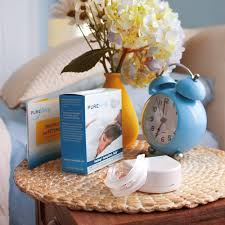
Creating a non-toxic bedroom for better sleep is achievable with simple steps. Focus on natural materials, good air quality, and mindful choices. This guide offers a beginner-friendly approach to transforming your sleep space into a healthy sanctuary.
Understanding What Makes a Bedroom “Non-Toxic”
So, what does “non-toxic” really mean for your bedroom? It means choosing items that don’t release harmful chemicals into the air you breathe. Think of it like this: many common items in homes can off-gas.
This means they release tiny particles. Some of these particles can bother your lungs or skin. They can even affect how well you sleep.
In a non-toxic bedroom, we aim to use materials and products that are safer. Things that don’t have a strong smell. Things that are made with fewer synthetic chemicals.
This makes your room a cleaner place to rest.
The goal is to reduce what’s called Volatile Organic Compounds, or VOCs. These are gases. They come from many common things.
Things like paints, furniture, and even some cleaning products. Over time, these gases can build up. Especially in spaces like bedrooms where we spend many hours.
For beginners, it’s not about getting rid of everything at once. It’s about making smart swaps. It’s about learning what to look for.
This will help you build a healthier space over time. You’ll start to notice a difference.
We want our bedrooms to feel calm and clean. Not full of invisible things that might make us feel less than our best. A non-toxic space supports this.
It helps your body and mind relax. This leads to deeper, more restful sleep. It’s a wonderful feeling when your bedroom is a true place of peace.
We’ll explore how to get there. Step by step, making it easy for anyone to start.
My Own Sleep Sanctuary Journey: A Beginner’s Tale
I remember when I first started thinking about a healthier home. My bedroom was a mess. Not visually, but in terms of what was actually in it.
I had a mattress that smelled strongly of plastic. My curtains were cheap and synthetic. Even my bedding had a slightly chemical feel.
I was getting headaches often. And my sleep? It was broken and restless.
I’d toss and turn. I’d wake up feeling tired, not refreshed. I felt like I was sleeping in a stuffy box.
One evening, after a particularly bad night, I lay awake. The smell from my new pillows was really strong. I thought, “This can’t be good.” That was the moment.
I decided I needed to change things. But the idea of replacing everything felt impossible. Where would I start?
What was even “bad”? I felt a mix of frustration and a little bit of panic. I was worried about the cost, too.
I was just a regular person, not an expert. I didn’t have a huge budget. But I knew I needed a change for my health and my sleep.
I started small. I began researching. I learned about natural fibers.
I learned about paints with low VOCs. I learned that a lot of “flame retardants” were hiding in furniture. It was eye-opening.
I focused on one thing at a time. First, it was changing my pillow. Then, it was looking for organic cotton sheets.
It took time. But with each small change, I felt a tiny bit better. The air in my room seemed fresher.
The headaches became less frequent. And slowly, my sleep started to improve. It was a true beginner’s journey, full of learning and small wins.
Your Bedroom’s Air: More Important Than You Think
The Problem: Many everyday items in your bedroom release unseen gases. These are called VOCs. They can come from mattresses, furniture, rugs, and even some air fresheners.
The Effect: Breathing these gases can lead to headaches. It can cause irritation to your eyes, nose, and throat. It can also make your sleep much worse.
Over time, it’s not good for your health.
The Simple Fix: Choose natural materials. Look for low-VOC or no-VOC products. Open windows often to let fresh air in.
Simple steps make a big difference in air quality.
Choosing Your Bedding Wisely: A Foundation for Sleep
Your bedding is the closest thing to your skin for hours every night. This makes it a really important place to start. Think about what your sheets, blankets, and pillows are made of.
Many common bedding items are made from synthetic materials. These can be treated with chemicals. They might not breathe well.
They could also off-gas VOCs. This is not what you want when you’re trying to get good sleep.
For a non-toxic bedroom, we look for natural fibers. Cotton is a great choice. But even with cotton, things can get complicated.
Look for organic cotton. This means it’s grown without harmful pesticides or synthetic fertilizers. These chemicals can stay in the fabric.
Organic cotton is much better for you and the planet. It’s also usually softer and more breathable. This helps regulate your body temperature at night.
Other natural fibers to consider include linen and bamboo. Linen is made from flax plants. It’s known for being durable and breathable.
Bamboo, when processed correctly, can be very soft. Look for bamboo linens that are made using safe methods. Wool is another fantastic option.
Wool blankets can help keep you warm in winter and cool in summer. They are also naturally resistant to dust mites. This is a big plus for allergy sufferers.
When shopping, always check the labels. Look for certifications. For example, GOTS (Global Organic Textile Standard) is a great one for organic cotton.
OEKO-TEX is another certification. It means the product has been tested. It’s tested for harmful substances.
This gives you more confidence in your choice. Starting with your bedding sets a good tone for your whole room. It’s a tangible step you can take.
Mattresses: The Biggest Piece of the Puzzle
Your mattress is a huge part of your bedroom. It’s also often a source of chemicals. Traditional mattresses can contain a cocktail of materials.
They might have polyurethane foam. They can also have chemical flame retardants. These are added to meet fire safety standards.
But they can release harmful chemicals. These chemicals can be bad for your health over time. And that strong “new mattress smell”?
That’s often VOCs at work.
For a non-toxic sleep environment, consider mattresses made with natural materials. Natural latex is a popular choice. It comes from rubber trees.
It’s breathable, supportive, and durable. Look for mattresses made with 100% natural latex. Also, check that the other layers are natural too.
Another option is an innerspring mattress. But look for ones that use natural materials in their layers. Things like organic cotton or natural wool.
These act as comfortable padding.
When buying a mattress, look for certifications again. CertiPUR-US is a good certification for foam. It means the foam has been tested for certain harmful chemicals.
However, for a truly non-toxic mattress, natural latex or wool is often preferred. Some brands are very transparent about their materials. They will list everything clearly on their website.
This transparency is a good sign.
It’s true that natural mattresses can sometimes cost more upfront. But think of it as an investment in your health and sleep quality. A mattress can last for many years.
Choosing a healthier one from the start pays off. You’ll breathe better. You’ll sleep more soundly.
And you’ll have peace of mind. Don’t be afraid to ask questions when you’re shopping. A good company will be happy to explain their materials.
Mattress Materials: A Quick Look
Synthetic Foams (Memory Foam, Polyurethane): Can off-gas VOCs. May contain chemical additives.
Chemical Flame Retardants: Added for safety. Can be harmful when released into the air.
Natural Latex: Made from rubber tree sap. Breathable, supportive, and naturally resistant to mold and dust mites.
Organic Cotton & Wool: Used as comfort layers. Natural, breathable, and chemical-free.
Innerspring: Coils provide support. Look for coils wrapped in natural materials for comfort.
Furniture Choices: Building a Healthier Room
Beyond the bed itself, your furniture plays a big role. Dressers, nightstands, shelves, and even your bed frame can contribute to indoor air quality. Many furniture items are made with particleboard or MDF.
These materials often use glues and resins that contain formaldehyde. Formaldehyde is a known irritant and potential carcinogen. It’s a chemical you definitely want to avoid in your bedroom air.
When selecting furniture, prioritize solid wood. Look for furniture made from sustainably sourced solid wood. This is a much safer option.
If solid wood isn’t in your budget right now, don’t worry. You can also look for furniture made with low-VOC finishes. Some manufacturers use water-based glues.
They also use no-added-formaldehyde (NAF) composite wood. These are better alternatives. Always check the product descriptions.
Look for phrases like “low VOC” or “NAF.”
The finishes on furniture are also important. Many varnishes and paints can release VOCs. Look for furniture with natural oil finishes or water-based paints.
If you already have furniture that smells strongly, there are things you can do. You can air it out in a garage or well-ventilated space before bringing it into your bedroom. You can also wipe it down with a natural cleaner.
Some people even place bowls of baking soda inside drawers to absorb odors.
Secondhand furniture can be a great option. It’s often more affordable. And the off-gassing period has usually already happened.
However, be cautious. If an older piece of furniture has a very strong, persistent chemical smell, it might still be off-gassing. Or it might have been treated with something harmful.
Use your nose. If it smells strongly off, it’s best to avoid it for your bedroom.
Paint and Wall Coverings: A Fresh Start
The walls of your bedroom are a large surface area. So, the type of paint or wallpaper you use matters. Traditional paints often contain a lot of VOCs.
These can contribute to that “new paint smell.” This smell can linger for weeks or even months. It’s not ideal for a place where you sleep and breathe deeply.
Look for low-VOC or zero-VOC paints. These are widely available now. Many major paint brands offer these options.
They use water-based formulas. They have fewer harmful chemicals. Zero-VOC paints are the best choice for a truly non-toxic room.
You can also explore natural paint options. Some paints are made with natural pigments and binders like clay or milk protein.
When choosing wallpaper, look for natural materials. Things like paper, grasscloth, or fabric. Make sure the adhesives used are also low-VOC or natural.
Many modern wallpapers use vinyl. Vinyl can release phthalates and other chemicals. So, natural options are preferred.
If you’re not painting or wallpapering, consider leaving your walls as they are. A clean, unpainted plaster wall can be very serene and natural.
The process of painting itself can introduce fumes. Even with low-VOC paint, it’s a good idea to ventilate the room very well during and after painting. Open windows and use fans.
Allow the room to air out for as long as possible before sleeping in it. This helps clear out any residual fumes. A fresh coat of paint can make a room feel new.
Doing it the healthy way makes it a sanctuary.
Paint Smarts: What to Look For
High VOC Paint: Contains high levels of chemicals that off-gas. Strong smell. Avoid for bedrooms.
Low VOC Paint: Reduced levels of chemicals. Better choice, but still some off-gassing.
Zero VOC Paint: Contains minimal to no VOCs. The best option for clean indoor air. Often water-based.
Natural Paints: Made from clay, lime, or plant-based ingredients. Very safe but can be more expensive.
Ventilation is Key: Always air out rooms well after painting, even with low/zero VOC options.
Flooring: Stepping on Safer Ground
The floor beneath your feet is another area to consider. Carpeting can be a big culprit for indoor air pollution. Many carpets are made from synthetic fibers.
They are treated with stain repellents, fire retardants, and adhesives. These chemicals can be released into the air. They can also get trapped in the carpet fibers.
Walking on it, vacuuming it – these actions can stir them up.
For a non-toxic bedroom floor, hard flooring is a great choice. Think about natural materials like:
- Hardwood: Sustainable and durable. Choose solid wood over engineered wood if possible. Use natural finishes.
- Bamboo: A rapidly renewable resource. Make sure it’s sourced and manufactured responsibly.
- Cork: Naturally antimicrobial and soft underfoot. A sustainable option.
- Natural Linoleum: Made from linseed oil, cork dust, and wood flour. It’s biodegradable and durable.
If you love the feel of a rug, opt for natural materials. Look for rugs made from wool, organic cotton, jute, or seagrass. Ensure they are made with natural dyes and adhesives.
Avoid synthetic rugs. They often contain plastics and chemicals.
If you already have carpet, don’t despair. You can take steps to make it safer. Vacuum frequently with a HEPA filter vacuum.
This traps fine particles. Open windows regularly to air out the room. Consider getting carpets professionally cleaned with natural, non-toxic solutions.
Sometimes, simply airing out a room well can make a difference over time.
The key is to minimize the sources of chemical release. Hardwood floors are generally very low in VOCs. Natural fiber rugs are much better than synthetic ones.
Each step towards safer flooring contributes to better sleep. It creates a more peaceful environment.
Lighting and Air Quality: Beyond the Visible
Good lighting can set a mood. But it’s also about the type of bulbs you use. Some older types of bulbs can emit small amounts of heat and even some chemicals.
Modern LED bulbs are a much better choice. They are energy-efficient. They last a long time.
And they don’t emit much heat. This is good for your bedroom’s temperature. It also means less chance of off-gassing from the bulbs themselves.
When choosing light bulbs, look for ones that emit a warm, natural light. Avoid harsh, bright white lights. Especially for the evening.
Dimming lights as bedtime approaches can signal to your brain that it’s time to wind down. This can improve your sleep quality. Using lamps instead of bright overhead lights can create a cozier, more relaxing atmosphere.
Air quality in the bedroom is paramount. We’ve talked about VOCs from materials. But there are other ways to improve the air you breathe.
Plants can be natural air purifiers. Some common houseplants can help filter out toxins. Examples include snake plants, spider plants, and peace lilies.
Just be sure to choose plants that are safe if you have pets. Some plants can be toxic to animals if ingested.
Another important tool is a good air purifier. Look for one with a HEPA filter. This type of filter is effective at removing small particles like dust, pollen, and pet dander.
Some air purifiers also have activated carbon filters. These are good for absorbing odors and gases. Make sure to replace the filters as recommended by the manufacturer.
Finally, simple ventilation is incredibly effective. Open your windows! Even just for 10-15 minutes a day can make a huge difference.
This brings in fresh air. It helps clear out any stale air or trapped odors. If you live in a city with poor outdoor air quality, this might be something to consider.
But even then, short periods of ventilation can be beneficial.
Indoor Air: Simple Boosters
Plants: Snake plants, spider plants, and peace lilies can help clean indoor air naturally.
Air Purifiers: Use a HEPA filter to trap tiny particles. Add a carbon filter for gases and odors.
Ventilation: Open windows daily, even for a short time. Fresh air is key!
Natural Cleaners: Use vinegar, baking soda, and lemon for cleaning. Avoid harsh chemical sprays.
Unscented Products: Choose fragrance-free soaps, lotions, and detergents. Artificial scents can be irritating.
Decor and Finishing Touches: Creating a Peaceful Vibe
Once the main elements are in place, think about the smaller details. How you decorate your bedroom can also contribute to a non-toxic environment. This includes things like curtains, rugs, art, and even cleaning products.
Curtains and Window Treatments: Many curtains are made from synthetic fabrics like polyester. They can be treated with flame retardants and dyes. Look for curtains made from natural fibers like organic cotton, linen, or hemp.
These are better for air quality. They also often feel more luxurious.
Rugs and Mats: As mentioned before, choose natural fiber rugs. If you have mats by your bed, ensure they are also made from natural materials like cotton or wool. Avoid rubber-backed mats, as rubber can off-gas.
Artwork and Decor: Most artwork itself is unlikely to cause major air quality issues. However, be mindful of the frames and paints used. Opt for natural wood frames.
If you are buying items with strong paint smells, air them out first.
Cleaning Products: This is a big one! Many conventional cleaning sprays contain harsh chemicals. They can leave residues and fumes.
Switch to natural cleaning solutions. You can buy them ready-made or easily make your own. A simple mix of vinegar and water can clean many surfaces.
Baking soda is a great natural abrasive. Lemon juice adds a fresh scent and cleaning power. Always store them in glass or stainless steel containers if possible, to avoid plastic interaction.
Avoid Artificial Fragrances: This is a major source of indoor air pollution for many. Things like air fresheners, scented candles (unless made with natural waxes and essential oils), and plug-ins can release harmful chemicals. Opt for natural methods to keep your room smelling fresh.
Open windows. Use essential oil diffusers sparingly. Baking soda can absorb odors.
Simply keeping things clean naturally prevents most smells.
These finishing touches might seem small. But they add up. Creating a truly non-toxic bedroom is about paying attention to all the details.
It’s about making conscious choices. Each choice supports a healthier, more restful space.
Your Non-Toxic Bedroom Checklist: A Beginner’s Guide
Feeling ready to start? Here’s a simple checklist to help you on your journey. Remember, you don’t have to do it all at once.
Pick one or two things to focus on first.
Bedding Basics
- Mattress: Choose natural latex, organic cotton, or wool. Look for certifications.
- Pillows: Opt for organic cotton, wool, or natural latex fill.
- Sheets & Blankets: Select organic cotton, linen, or hemp.
- Protectors: Use organic cotton or wool mattress and pillow protectors.
Furniture & Fixtures
- Bed Frame: Solid wood is best. Avoid particleboard with formaldehyde.
- Dressers/Nightstands: Solid wood or NAF-certified composite wood.
- Paint: Use zero-VOC or low-VOC paint.
- Flooring: Hardwood, bamboo, cork, or natural linoleum.
- Rugs: Wool, organic cotton, jute, or seagrass.
Air Quality & Lighting
- Lighting: Use LED bulbs. Opt for warm, dimmable light.
- Air Purifier: HEPA and carbon filter models are recommended.
- Plants: Add non-toxic houseplants for natural air purification.
- Ventilation: Plan to open windows daily.
Decor & Care
- Curtains: Natural fibers like cotton or linen.
- Cleaning: Use natural, non-toxic cleaners.
- Fragrance: Avoid artificial scents. Use essential oils or open windows.
- Declutter: Less stuff often means fewer potential toxins.
When is “Good Enough” Truly Good Enough?
It’s easy to get overwhelmed when aiming for a perfectly non-toxic home. The most important thing to remember is that progress, not perfection, is the goal. Especially when you’re a beginner.
For your bedroom, think about the biggest impact items. Your mattress and bedding are usually top priorities. If you can make changes there, you’re already doing great.
If you can’t afford a new mattress right now, focus on getting good quality organic cotton sheets and a natural pillow. You can add a natural mattress topper later.
What about existing furniture? If your dresser is solid wood and has been in your family for years, it’s likely fine. The off-gassing period is long over.
If you have a piece that smells strongly, then address that specific item. You don’t need to replace everything that isn’t “perfect.”
Air quality is another area where small habits make a big difference. Regularly airing out your room is free and incredibly effective. Using a HEPA filter vacuum helps remove dust and allergens.
These are simple, low-cost actions that improve your environment.
Your goal is to create a space that supports your well-being. A space where you can relax and sleep well. If you’ve made thoughtful choices for your mattress, bedding, and a few other key items, you’re on the right track.
If you keep your windows open regularly and use natural cleaners, you’re further ahead than most!
Don’t let the idea of perfection stop you from making any changes. Every small step counts. Making your bedroom healthier is a journey.
It’s about learning and making better choices as you go. Your body will thank you for it.
Frequently Asked Questions About Non-Toxic Bedrooms
Is it expensive to create a non-toxic bedroom?
It can be, but it doesn’t have to be. Start with the most impactful items like bedding and pillows. Look for sales, buy secondhand where possible, and focus on natural materials that last longer.
Prioritize simple, effective habits like ventilation which are free.
What is the most important item to make non-toxic?
Many experts agree that your mattress is the most critical item. You spend so much time on it, and it’s a large, often sealed item that can off-gas for a long time. Bedding is a close second.
How do I know if a product is truly non-toxic?
Look for certifications like GOTS (for textiles), OEKO-TEX, or CertiPUR-US. Read product descriptions carefully for terms like “zero-VOC,” “natural latex,” or “organic.” Transparency from the brand is also a good sign. Trust your nose – if something smells strongly chemical, it probably is.
Can I make my existing bedroom less toxic?
Absolutely! Focus on improving air quality through ventilation and air purifiers. Switch to natural cleaning products.
Look for organic cotton sheets or a natural pillow. Air out new items before use. Every small change helps.
What are VOCs and why should I worry about them?
VOCs are Volatile Organic Compounds. They are gases released from many common household products. Breathing them can cause headaches, eye irritation, and long-term health issues.
Reducing VOCs leads to cleaner indoor air.
Are essential oils safe for a non-toxic bedroom?
Generally, yes, when used properly. Use pure, therapeutic-grade essential oils in a diffuser. Avoid synthetic fragrances.
Use them in moderation and ensure good ventilation. Some oils can be irritating to pets or children, so do your research.
Creating Your Healthy Haven
Building a non-toxic bedroom is a rewarding process. It’s about creating a space that truly supports your health and rest. Start with simple, achievable steps.
Focus on natural materials for your bed. Improve your air quality through ventilation and smart choices. Remember that progress is key.
Your bedroom can become a peaceful sanctuary. One that helps you wake up feeling refreshed and ready for the day.