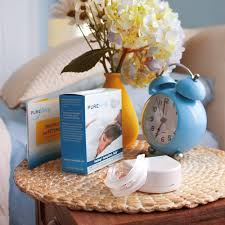
Investing in a non-toxic bedroom might seem like a splurge, but it can offer a significant return. This approach prioritizes your health by reducing exposure to harmful chemicals found in many common bedroom items. The benefits include better sleep quality, improved overall health, and potential long-term savings on healthcare. By understanding the costs and benefits, you can make informed choices that pay off. This guide shows you how to calculate that return on investment (ROI).
What is a Non-Toxic Bedroom?
A non-toxic bedroom is a space designed with health in mind. It focuses on using materials and products that are free from harmful chemicals. Many everyday items can off-gas volatile organic compounds (VOCs) or contain other concerning substances.
Think about your mattress, pillows, bedding, furniture, and even paints. These can all contribute to indoor air pollution. A non-toxic approach means choosing items with fewer or no synthetic fragrances, flame retardants, phthalates, and formaldehyde.
It’s about creating a sanctuary for rest. This helps your body and mind recover without added stress from toxins.
The main goal is to breathe cleaner air while you sleep. This is when your body does its most important repair work. When you’re surrounded by toxins, your body has to work harder.
It has to process these chemicals instead of focusing on healing. This can lead to a range of health issues. Poor sleep quality is a common one.
But it can also affect your immune system. It might lead to headaches, allergies, or even more serious long-term problems. Creating a non-toxic space is like giving your body a break.
It allows it to do its job better.
Why Does a Non-Toxic Bedroom Matter for ROI?
The idea of Return on Investment (ROI) usually brings to mind stocks or businesses. But it applies to our health and homes, too. Investing in a non-toxic bedroom matters because it impacts your well-being directly.
This well-being has real value. When you sleep better, you feel better. You’re more productive.
You’re less stressed. Your body is stronger. All of this saves you money and improves your quality of life.
It’s an investment in your health capital. Think of it as a proactive approach. You’re preventing problems before they start.
This is often far cheaper than dealing with them later.
Consider the direct costs of not having a healthy sleep environment. You might struggle with persistent allergies. You might need more doctor visits for sleep issues.
You could experience brain fog or fatigue that impacts your work. These all have a financial cost. They also cost you in terms of lost enjoyment of life.
When you switch to non-toxic options, you’re cutting off a source of these problems. You’re investing in fewer sick days, better focus, and more energy. That’s a tangible benefit.
It’s an investment that gives back in many ways.
Personal Experience: The Mattress Meltdown
I remember it vividly. I had just bought a new mattress. It was supposed to be the “ultimate sleep experience.” It cost a pretty penny, too.
The first few nights were awful. There was this strange, almost chemical smell. I tried airing out the room, but it lingered.
I started waking up with a scratchy throat and a dull headache. I blamed it on stress. I blamed it on changing weather.
I blamed it on anything but the brand-new, expensive mattress. My sleep was terrible. I tossed and turned.
I felt groggy all day. I started researching sleep tips, then mattress reviews. That’s when I stumbled upon discussions about VOCs.
And flame retardants. Suddenly, my headache felt very real. The smell wasn’t just a smell; it was a signal.
That experience made me realize how much we overlook what’s in our products. It was a costly lesson, but it kicked off my journey to understanding healthier choices.
Understanding the Costs: What Goes Into a Non-Toxic Bedroom?
Let’s talk about the money part. Creating a healthier sleep space often means choosing different products. These can sometimes have a higher upfront cost.
We need to look at what makes them more expensive. First, there’s the mattress. Many traditional mattresses use polyurethane foam.
They also contain chemical flame retardants. Non-toxic options often use natural latex. They might use organic cotton or wool.
These materials are more sustainable and less processed. They come at a premium price.
Next, consider your bedding. Conventional sheets and duvets can be treated with dyes and finishes. Some may even use synthetic materials that hold in heat and moisture.
Organic cotton or linen bedding is usually more expensive. This is because it’s grown without pesticides. The processing is also gentler.
Then there are pillows. Many are filled with synthetic foams or polyester fibers. These can release VOCs.
Natural alternatives like buckwheat or kapok are pricier upfront.
Don’t forget furniture. Particleboard and MDF furniture often use adhesives containing formaldehyde. Solid wood furniture is better, especially if finished with natural oils or low-VOC paints.
Even small items like curtains or rugs can be sources of toxins. The goal is to identify these items and seek out healthier alternatives. This might mean buying one thing at a time.
It’s about making a plan and prioritizing your purchases based on what’s most important for your health.
Key Non-Toxic Bedroom Investments
Mattress: Look for certifications like GOTS (Global Organic Textile Standard) or GOLS (Global Organic Latex Standard). Natural latex, organic cotton, and wool are good signs. Avoid anything with “CertiPUR-US” for foam, as it still allows some concerning chemicals.
True non-toxic mattresses avoid chemical flame retardants entirely.
Bedding: Opt for 100% organic cotton, linen, or Tencel/Lyocell. These fabrics are breathable and softer on your skin. Check for OEKO-TEX certification to ensure they are free from harmful substances.
Pillows: Natural latex, organic cotton, buckwheat, or kapok fillings are good choices. Avoid synthetic foams and polyester fills that off-gas easily.
Furniture: Choose solid wood furniture with natural finishes. If buying composite wood, look for formaldehyde-free options. Paints and stains should be low-VOC or zero-VOC.
Calculating the ROI: The Health Benefits
This is where the “return” comes in. The biggest ROI from a non-toxic bedroom is often in improved health. Let’s break down how this translates to value.
One of the most direct benefits is better sleep quality. When you’re not exposed to irritants, your body can relax more deeply. This means more time in REM and deep sleep.
These stages are crucial for recovery. Better sleep leads to higher energy levels. It improves mood.
It boosts cognitive function.
Consider the impact of reduced allergy symptoms. Many materials off-gas chemicals that can trigger allergies or asthma. Eliminating these irritants can mean fewer sneezing fits, less congestion, and easier breathing.
This directly impacts your daily comfort and well-being. For people with sensitivities, this is priceless. It means fewer doctor visits and less need for medication.
There’s also the long-term benefit of reduced exposure to harmful chemicals. Many chemicals found in conventional products are linked to serious health concerns. These include endocrine disruption, reproductive issues, and even certain cancers.
While it’s hard to put a dollar amount on avoiding these risks, the peace of mind is significant. Proactively reducing your exposure is a powerful act of self-care. It’s investing in a healthier future.
What about fewer headaches and less fatigue? For many, poor indoor air quality is a direct cause of these issues. A cleaner bedroom environment can alleviate these symptoms.
This means you’re more alert. You can focus better at work or in your personal life. You feel more present and engaged.
This improved quality of life has immense value.
Quick Scan: Health Benefits vs. Cost
| Benefit | Potential Value | Example Cost Avoided (Monthly) |
|---|---|---|
| Better Sleep Quality | Increased Productivity, Improved Mood | N/A (Qualitative Value) |
| Reduced Allergy Symptoms | Fewer Sick Days, Less Medication | $50 – $150 (Meds, Doctor Visits) |
| Fewer Headaches/Fatigue | Increased Focus, Better Performance | $30 – $100 (Lost Work Time, Coffee) |
| Reduced Toxin Exposure | Long-term Health, Peace of Mind | N/A (Preventive Value) |
Calculating the ROI: The Financial Benefits
Now, let’s get down to the money. Can a non-toxic bedroom actually save you cash? Yes, it can.
One major area is reduced healthcare costs. If your allergies or respiratory issues improve, you’ll likely need fewer doctor visits. You might spend less on over-the-counter or prescription medications.
For example, if you regularly buy allergy relief, reducing your need for it is a direct saving. Even a few fewer doctor visits a year can add up to hundreds of dollars.
Think about fewer sick days. When you’re not constantly battling colds or allergies, you’re more present. This means you take fewer days off work.
For hourly workers, this is direct income. For salaried employees, it means you can be more productive and engaged, which can lead to better performance reviews or opportunities. This indirectly impacts your earning potential.
There’s also the aspect of longevity and quality of life. While this is harder to quantify, a healthier body means you can enjoy life more. You can be more active.
You can spend more quality time with loved ones. This “return” on your health investment is immeasurable. However, if you’re an older adult, a healthier lifestyle can mean needing less care later in life.
This can save families substantial amounts of money.
Consider the durability of natural materials. Many high-quality organic materials, like natural latex or organic cotton, are very durable. A good organic mattress might last 10-15 years, sometimes longer.
Cheaper, conventional mattresses might need replacing sooner. Over the lifespan of your bed, choosing quality can mean buying one less mattress. This saves you money in the long run.
The same can apply to well-made natural fiber bedding.
How to Calculate Your Bedroom ROI
1. Estimate Initial Investment: Add up the cost of your new non-toxic items (mattress, bedding, etc.).
2. Calculate Annual Health Savings: Estimate how much you save per year on doctor visits, medications, and allergy relief due to improved health. Use past expenses as a guide.
3. Estimate Annual Productivity Gains: If you have fewer sick days, calculate the value of that lost work time. Or, consider the value of increased focus.
4. Calculate Total Annual Return: Sum of Health Savings + Productivity Gains.
5. Calculate ROI Percentage: (Total Annual Return / Initial Investment) x 100%. This gives you a percentage.
A higher percentage means a faster return.
6. Calculate Payback Period: Initial Investment / Total Annual Return. This tells you how many years it will take for your savings to equal your initial cost.
Real-World Context: Common Bedroom Toxins
It’s easy to overlook the hidden dangers. Let’s shine a light on some common culprits in a typical bedroom. Flame retardants are a big one.
Mattresses, upholstered furniture, and even curtains are often treated with these chemicals. They are added to meet fire safety standards. However, many are linked to health problems.
They can leach out into the air and dust. They are absorbed through your skin. This is a major concern for children.
Volatile Organic Compounds (VOCs) are another widespread issue. These chemicals are released into the air as gases. They come from paints, varnishes, glues, and synthetic fabrics.
Common VOCs include formaldehyde, benzene, and toluene. They can cause headaches, nausea, and respiratory irritation. Some are known carcinogens.
Even “new car smell” or “new furniture smell” is often VOCs off-gassing.
Phthalates are often found in plastics and vinyl. They are used to make materials more flexible. You might find them in waterproof mattress protectors or certain types of flooring.
Phthalates are endocrine disruptors. They can interfere with your body’s hormone system. This is a particular concern for reproductive health.
Synthetic fragrances are also problematic. They are added to bedding, air fresheners, candles, and even cleaning products used in the bedroom. These fragrances are often complex mixtures of chemicals.
They can cause allergic reactions and headaches. They are completely unnecessary for a healthy environment. Focusing on natural scents or no scent at all is best.
Contrast Matrix: Conventional vs. Non-Toxic Bedroom Items
| Feature | Conventional Items | Non-Toxic / Healthy Items |
|---|---|---|
| Mattress Filling | Polyurethane foam, chemical flame retardants | Natural latex, organic cotton, wool |
| Bedding Material | Polyester, conventional cotton (pesticides, dyes) | Organic cotton, linen, Tencel (OEKO-TEX certified) |
| Furniture Adhesives | Formaldehyde-based glues | Low-VOC or natural adhesives, solid wood |
| Paints & Finishes | High-VOC paints and varnishes | Zero-VOC or low-VOC paints and natural oils |
| Fragrances | Synthetic perfumes in bedding, candles | Unscented or naturally scented (essential oils) |
What This Means for You: Making Smart Choices
So, what’s the takeaway? It means being an informed consumer. You don’t have to
When it’s time to replace something, make a healthier choice. For example, if your pillows are old and flat, look for natural latex or organic kapok ones. If you’re buying new sheets, choose organic cotton.
If you’re painting your bedroom, pick a zero-VOC paint. These small steps add up over time. They gradually improve your indoor air quality.
It’s also about understanding what certifications to look for. OEKO-TEX Standard 100 is a good start for textiles. It means the product has been tested for harmful substances.
For mattresses and natural latex, GOTS and GOLS are excellent indicators of organic content and safety. Don’t be afraid to ask questions. Look for transparency from brands about their materials and manufacturing processes.
When to worry is when you experience persistent symptoms. If you have chronic headaches, fatigue, or respiratory issues that seem linked to your bedroom environment. If these symptoms improve when you spend time away from home.
That’s a strong signal. Your home should be a place of rest and healing, not a source of illness. Making conscious choices about your bedroom is a powerful way to invest in your long-term health.
Quick Fixes & Tips for a Healthier Sleep Space
Even if a full overhaul isn’t in the budget right now, you can still make improvements. Small changes can have a big impact. First, open your windows regularly.
Even for 10-15 minutes a day, fresh air exchange is crucial. It helps to clear out stale air and reduce pollutant buildup. This is especially important after sleeping all night.
Clean and vacuum often. Use a vacuum with a HEPA filter. This traps fine particles and dust mites.
Dust and clean surfaces regularly. This removes settled toxins from the air. Pay attention to curtains, rugs, and bedding.
Wash your bedding frequently in hot water. This helps to kill dust mites and remove allergens.
Choose natural cleaning products. Avoid harsh chemicals and artificial fragrances. A simple solution of vinegar and water or baking soda can clean most surfaces effectively.
If you use air fresheners, ditch them. Opt for natural ventilation or a diffuser with pure essential oils (used sparingly).
Declutter your room. Less stuff means fewer places for dust to settle. It also means fewer potential sources of off-gassing.
Be mindful of what you bring into your bedroom. Opt for natural materials whenever possible. For example, choose wooden hangers over plastic ones.
A simple approach is often best.
Tips for Better Bedroom Air Quality
- Ventilate Daily: Open windows for at least 15 minutes each day.
- HEPA Filter Vacuuming: Use a vacuum with a HEPA filter to clean floors and carpets.
- Dust Regularly: Wipe down surfaces with a damp cloth to catch dust.
- Wash Bedding Often: Use hot water to wash sheets, pillowcases, and duvet covers weekly.
- Natural Cleaning: Stick to vinegar, baking soda, and water for cleaning.
- Avoid Air Fresheners: Opt for natural ventilation or pure essential oils sparingly.
- Declutter: Less is more for reducing dust and potential off-gassing.
Frequent Questions About Non-Toxic Bedrooms
What is the most important non-toxic item to buy first?
Many experts suggest starting with the mattress. You spend about a third of your life on it, and it’s often the largest item in your bedroom. Choosing a non-toxic mattress can significantly reduce your exposure to VOCs and flame retardants.
Are organic cotton sheets worth the extra cost?
Yes, for many people, they are. Organic cotton is grown without pesticides and uses less water. It’s also typically processed without harsh chemicals.
This means less skin irritation and fewer toxins touching your body all night. The durability can also mean they last longer, offering better value over time.
How can I tell if my mattress is off-gassing?
The most common sign is a noticeable chemical smell when the mattress is new. You might also experience symptoms like headaches, nausea, dizziness, or throat irritation. If these symptoms persist and seem linked to your bedroom, your mattress might be off-gassing.
Is a non-toxic bedroom only for people with allergies or sensitivities?
No, not at all. While those with sensitivities benefit greatly, everyone can improve their health by reducing exposure to toxins. A cleaner sleep environment supports better sleep, boosts the immune system, and contributes to overall well-being for anyone.
What if I can’t afford a whole new non-toxic bedroom setup right now?
Start small! Prioritize one item, like a pillow or organic cotton sheets. Focus on simple daily practices like ventilation and using natural cleaning products.
Gradually replace items as they wear out. Every small step makes a difference in improving your indoor air quality.
Are there specific certifications I should look for?
Yes, look for OEKO-TEX Standard 100 for textiles (bedding, curtains). For mattresses and natural latex, seek GOTS (Global Organic Textile Standard) and GOLS (Global Organic Latex Standard). CertiPUR-US is often mentioned but is less strict than true non-toxic standards.
Conclusion: Investing in Your Restful Future
Creating a non-toxic bedroom is more than a trend; it’s a smart investment. It’s an investment in your health, your sleep, and your overall quality of life. By understanding the costs and the significant health and financial benefits, you can see the real return.
It’s about creating a safe haven. A place where your body can truly rest and recharge. Make informed choices today for a healthier tomorrow.