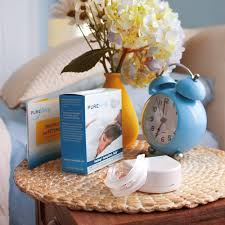
This guide explains important terms about creating a non-toxic bedroom. It covers what makes a sleep space healthy. You will learn about materials, air quality, and common bedroom items. Understanding these terms helps you make better choices for your sleep and health.
What is a Non-Toxic Bedroom?
A non-toxic bedroom is a room designed to minimize exposure to harmful chemicals and pollutants. The goal is to create a safe and healthy space for rest and sleep. This means paying attention to the air you breathe.
It also means looking at the things you touch and use every day in your room.
Many everyday items can release tiny particles or gases. These are often called VOCs, or volatile organic compounds. They can build up in the air.
Over time, this can affect your breathing and overall health. A non-toxic approach aims to reduce these things. It focuses on natural or safer materials.
Why Does a Non-Toxic Bedroom Matter for Sleep?
Your bedroom should be a place of peace. It’s where your body and mind recharge. When your bedroom has many toxins, it can interfere with this process.
The air might be harder to breathe. Your body might be working harder to deal with the chemicals. This can lead to restless sleep.
You might wake up feeling tired.
Poor sleep can impact your mood. It can also affect your focus and energy levels. Over longer periods, constant exposure to toxins is linked to other health issues.
Creating a non-toxic space is an investment in your well-being. It supports better sleep quality. It also helps your body recover each night.
Understanding Key Terms: From Materials to Air Quality
Let’s break down some of the words you’ll see. Knowing these terms helps you understand product labels. It also guides your choices for bedding, furniture, and more.
Volatile Organic Compounds (VOCs)
VOCs are chemicals found in many common products. They can easily turn into gases. Think of things like new furniture, paints, cleaning supplies, and even some fabrics.
When these gases are released, they can affect indoor air quality. Some VOCs can irritate your eyes, nose, and throat. Others might cause headaches or nausea.
Long-term exposure to certain VOCs is a concern. They are often linked to more serious health problems. When shopping for items for your bedroom, look for labels that say “low VOC” or “zero VOC.” This means they release fewer of these harmful gases.
Off-Gassing
Off-gassing is the process where VOCs are released into the air. This is very common with new products. Think of that “new car smell” or the smell of a new mattress.
That smell is often the product off-gassing.
To reduce off-gassing, it’s often recommended to air out new items. You can let them sit in a well-ventilated area before bringing them into your bedroom. Opening windows helps a lot.
This allows the gases to escape. It makes the air safer to breathe.
Formaldehyde
Formaldehyde is a specific type of VOC. It’s a colorless gas. It’s often used in building materials and household products.
You can find it in some glues, finishes, and pressed wood products. It’s also used in some fabrics and textiles.
Formaldehyde can irritate your lungs. It’s also known to cause skin reactions. It’s important to choose products with low or no formaldehyde.
This is especially true for items like mattresses, furniture, and carpeting. Reading product details is key here.
Flame Retardants
Flame retardants are chemicals added to materials. The idea is to slow down or prevent fires. They are often found in mattresses, upholstered furniture, and electronics.
While fire safety is important, many flame retardants are linked to health worries.
Some flame retardants can build up in the body. They are sometimes called PDBEs. Studies suggest they can affect the brain and thyroid.
Look for products that are naturally flame-resistant. Or those that use safer, updated flame-retardant technologies.
Phthalates
Phthalates are a group of chemicals. They are often used to make plastics more flexible. You might find them in vinyl flooring, shower curtains, or some plastic toys.
They are also used in some fragrances and cosmetics.
Phthalates are considered endocrine disruptors. This means they can interfere with your body’s hormones. This can affect development and reproductive health.
Choosing products made without phthalates is a good step for a healthier home.
PFAS (Per- and Polyfluoroalkyl Substances)
PFAS are a large group of chemicals. They are used in many products. They make things water and stain-resistant.
You might see them in some outdoor fabrics, carpets, or even some bedding treated for water repellency.
PFAS are often called “forever chemicals.” They don’t break down easily. They can stay in the environment and in our bodies for a long time. Some PFAS are linked to health issues.
It’s best to avoid products that list PFAS or “water-repellent” finishes where not strictly needed.
Organic Certifications
When you see labels like GOTS, OEKO-TEX, or GREENGUARD, they mean something. These certifications show that products have been tested. They meet certain standards for health and safety.
GOTS (Global Organic Textile Standard) is for textiles. It covers organic fibers and ethical production. OEKO-TEX is a common label for textiles.
It ensures they are free from harmful substances. GREENGUARD certifies products for low chemical emissions. These labels can help you choose safer items.
Your Bedroom: A Personal Experience of Toxin Exposure
I remember when I first bought a new mattress. It was a big purchase. The delivery was quick.
The delivery guys brought it inside, and I was so excited. I unwrapped it right away. I wanted to try it out that night.
But then, a strange smell filled the room. It wasn’t a pleasant smell.
It was strong and sort of chemical-like. I started to feel a little uneasy. I had heard about mattresses off-gassing.
But I didn’t think it would be this noticeable. I decided to sleep on the couch that night. I opened all the windows in the bedroom.
I let it air out for a few days. It took a while for the smell to fade completely. That experience taught me to be more aware of what I bring into my home.
Understanding Mattress Off-Gassing
What it is: New mattresses release VOCs from their materials. This can cause an odor.
Common Sources: Memory foam, adhesives, and synthetic fabrics.
What to do: Air out the mattress in a well-ventilated room before use. Look for certifications like CertiPUR-US or OEKO-TEX.
Materials Matter: What to Look For in Your Bedroom
The things we choose for our bedrooms have a direct impact on the air and environment. From the bed you sleep on to the curtains on your windows, materials are key.
Bedding: Sheets, Blankets, and Pillows
Your bedding touches your skin all night. Choosing the right materials is important. Organic cotton is a popular choice.
It’s grown without harmful pesticides. It’s also often softer and more breathable.
Look for sheets and pillowcases that are GOTS certified. This ensures they are truly organic. It also means they weren’t treated with harsh chemicals.
Natural fibers like linen and hemp are also good options. They are breathable and durable.
For pillows and duvets, natural fillings are best. Think down, feathers, wool, or cotton. Avoid synthetic fillings.
These can sometimes contain chemicals and may not breathe as well. Make sure the filling is also sustainably sourced and processed.
Quick Guide to Bedding Materials
Safer Choices:
- Organic Cotton (GOTS Certified)
- Linen
- Hemp
- Tencel / Lyocell (from sustainable wood pulp)
- Natural Down / Feathers (ethically sourced)
- Wool
Things to Watch For:
- Conventional Cotton (pesticide use)
- Polyester Fill (can contain chemicals)
- Synthetic Dyes (can be harsh)
Mattresses: The Foundation of Your Sleep
Your mattress is one of the biggest items in your bedroom. It’s also often one of the biggest sources of VOCs. Traditional mattresses can contain memory foam and synthetic materials.
They might also use chemical adhesives and flame retardants.
When choosing a mattress, prioritize natural materials. Natural latex is a great option. It comes from rubber trees.
It’s durable, supportive, and breathable. Look for mattresses made with natural latex. Also, look for ones with organic cotton or wool covers.
Ensure the mattress is certified. CertiPUR-US is a good standard for foams. It means the foam is made without certain harmful chemicals.
OEKO-TEX also certifies mattresses. It means the whole product is tested for harmful substances. A good mattress can last many years.
So, investing in a healthier one is wise.
Furniture: Wood, Finishes, and Adhesives
Bedroom furniture can also contribute to indoor air quality. Solid wood furniture is generally better than furniture made from particleboard or MDF. These engineered wood products often use glues.
These glues can contain formaldehyde.
If you buy new wood furniture, check the finish. Look for natural oil finishes or water-based lacquers. Avoid finishes with high VOCs.
If you buy used furniture, inspect it carefully. Air out any new pieces before they go into your bedroom. Sometimes, older furniture is made with fewer chemicals.
Consider the hardware too. Metal drawers slides are better than plastic ones. Look for durable construction.
This means your furniture will last longer. This is also a form of sustainability.
Furniture Material Insights
Solid Wood: Often the best choice. Look for sustainably sourced woods.
Plywood/Veneers: Can be good if made with low-VOC adhesives.
Particleboard/MDF: Highest risk for formaldehyde. Choose E0 or E1 rated if possible.
Finishes: Natural oils, waxes, or water-based paints are best. Avoid solvent-based finishes.
Upholstery: Opt for natural fabrics like organic cotton or wool. Check for certifications.
Paint and Wall Coverings
The walls in your bedroom are a large surface. The paint or wallpaper used can affect the air. Traditional paints often contain VOCs.
These are released as the paint dries and even afterward.
Look for “low VOC” or “zero VOC” paints. These are specifically made to reduce emissions. They are a safer choice for bedrooms.
Natural paints made from clay or lime are also available. They are very healthy options.
For wallpaper, choose options made from natural materials like paper or fabric. Some vinyl wallpapers can release VOCs. Check the manufacturer’s information.
Ensure any adhesives used for wallpaper are also low-VOC.
Flooring: Carpets and Area Rugs
Carpet can trap dust, allergens, and chemicals. Many carpets are made with synthetic fibers. They can also contain VOCs from dyes and adhesives.
Area rugs can be a better choice for bedrooms.
If you choose carpet, look for natural fibers like wool. Wool is naturally flame-resistant and a good insulator. It’s also renewable.
Ensure the carpet is certified for low VOC emissions, like GREENGUARD Gold.
For area rugs, natural materials are ideal. Cotton, wool, jute, and sisal are good options. Avoid rugs with synthetic backings or treatments that make them stain-resistant.
These might contain harmful chemicals like PFAS.
Floor Coverings Comparison
Wool Carpet: Natural, durable, good for air quality. Look for untreated wool.
Area Rugs (Natural Fiber): Cotton, wool, jute, sisal are excellent choices. Easy to clean and replace.
Hardwood/Laminate: Good if sealed with low-VOC finishes. Less likely to trap allergens.
Vinyl Flooring: Can release VOCs. Check for phthalate-free options.
Conventional Carpet: Higher risk of VOCs and allergen trapping. Consider if other options are not possible.
Air Quality in Your Bedroom: Beyond Materials
Even with the best materials, other factors affect your bedroom’s air. Good ventilation and controlling dust are crucial.
Ventilation: Bringing in Fresh Air
Ventilation is key to a healthy bedroom. It helps clear out stale air. It also reduces the buildup of pollutants and moisture.
Opening windows regularly is the easiest way to ventilate.
Even a few minutes each day can make a big difference. Try to open windows in the morning. This brings in fresh air.
It can also help regulate temperature. If you live in a city with poor outdoor air quality, consider using an air purifier.
Ensure your heating and cooling systems are clean. Check your air filters regularly. Dirty filters can recirculate dust and allergens.
Proper airflow helps maintain a healthy indoor environment.
Air Purifiers: A Helping Hand
An air purifier can be a valuable tool. Especially if you have allergies or live in an area with pollution. Look for purifiers with HEPA filters.
These filters can capture very small particles.
Activated carbon filters are also important. They can help remove odors and VOCs from the air. Some purifiers use UV-C light.
This can help kill mold and bacteria. However, some purifiers can release ozone. Ozone can be harmful to your lungs.
Be sure to choose a low-ozone or ozone-free model.
Air Purifier Features to Look For
HEPA Filter: Captures 99.97% of particles 0.3 microns in size.
Activated Carbon Filter: Removes odors, gases, and VOCs.
Coverage Area: Ensure it’s suitable for your bedroom size.
Noise Level: Choose a quiet model for sleeping.
Ozone Output: Opt for models labeled “ozone-free” or “low ozone.”
Dust and Allergens: The Unseen Culprits
Dust is more than just dirt. It can contain tiny particles of skin, fabric, and even chemicals. Dust mites are common allergens.
They thrive in bedding, carpets, and upholstery.
Regular cleaning is vital. Vacuum carpets and rugs frequently. Use a vacuum with a HEPA filter.
Dust surfaces with a damp cloth. This traps dust instead of spreading it. Wash bedding often in hot water.
This helps kill dust mites.
Consider reducing items that collect dust. This includes too many decorative pillows or knick-knacks. Keep closet doors closed.
This helps contain dust and allergens.
Humidity Levels
The right humidity level is important for comfort. High humidity can encourage mold and dust mites. Low humidity can dry out your skin and airways.
The ideal humidity range is typically between 40% and 60%. You can use a hygrometer to measure humidity. A humidifier can add moisture in dry climates.
A dehumidifier can remove excess moisture in damp ones.
Humidity and Your Bedroom
Ideal Range: 40%-60%
Too High (>60%): Promotes mold, mildew, dust mites. Use a dehumidifier.
Too Low (<40%): Dries skin, throat, nose. Can worsen asthma. Use a humidifier.
Measurement: Use a hygrometer to check levels.
Common Bedroom Items and Their Toxic Potential
Beyond the big items, smaller things can also matter. Even things we don’t think about much.
Electronics and EMFs
Many of us have electronics in our bedrooms. Phones, laptops, smart speakers, and TVs. These devices emit electromagnetic fields (EMFs).
The long-term health effects of EMFs are still debated.
Some people choose to reduce their exposure. This might mean keeping electronics further from the bed. Or turning them off completely at night.
Consider using a traditional alarm clock instead of a phone. This can also help you disconnect.
There are also products marketed as “EMF protectors.” Their effectiveness is often unclear. A simpler approach is to reduce usage and distance.
Lighting and Light Pollution
Light plays a huge role in our sleep. Especially blue light from screens. It can trick your brain into thinking it’s daytime.
This makes it harder to fall asleep.
Try to use dim, warm lighting in the evening. Avoid bright overhead lights. Consider blackout curtains.
These block out streetlights and early morning sun. This helps create a dark sleep environment.
Smart bulbs that can change color temperature are helpful. Use them on a warm, red-toned setting before bed.
Cleaning Products
The cleaning products you use in your bedroom matter. Many contain harsh chemicals. These can leave residues or release fumes.
Opt for natural cleaning solutions. Vinegar, baking soda, and water are effective for many tasks. You can also find many eco-friendly cleaning brands.
Look for products with plant-based ingredients and no artificial fragrances.
DIY Natural Cleaners
All-Purpose Spray: Mix equal parts white vinegar and water in a spray bottle. Add a few drops of essential oil (like lavender) for scent.
Scouring Paste: Mix baking soda with a little water to form a paste. Use it to scrub sinks and tubs.
Window Cleaner: Mix 1/4 cup vinegar, 1/4 cup rubbing alcohol, 1 tablespoon cornstarch, and 2 cups water. Spray and wipe clean.
Fragrances and Air Fresheners
Many air fresheners, candles, and plug-ins contain synthetic fragrances. These fragrances can be made of many chemicals. Some can cause headaches or respiratory issues.
They can also be considered VOCs.
Instead of artificial scents, try natural options. Essential oils can be used in a diffuser. Lavender, chamomile, or sandalwood are calming scents.
Open windows to air out the room. Good ventilation often solves many odor issues.
Choose candles made from 100% soy or beeswax. These burn cleaner than paraffin wax candles. Ensure they use cotton or wood wicks.
What This Means for You: Making Gradual Changes
Trying to make your bedroom non-toxic doesn’t mean you need to
When is it Normal?
It’s normal for new items to have an initial smell. It’s also normal to have dust in your home. The goal isn’t to achieve a perfectly sterile environment.
It’s to reduce unnecessary chemical exposure.
Some everyday items might contain trace amounts of chemicals. This doesn’t automatically make them dangerous. It’s about the cumulative effect of many exposures.
And about identifying the highest-risk items.
When to Worry
You might worry if you notice persistent, strong chemical smells. Or if you or your family experience unexplained symptoms. These could include headaches, nausea, skin rashes, or breathing problems.
If you have respiratory conditions like asthma, air quality is especially important. You might be more sensitive to irritants. Watching for patterns between new purchases and symptom onset can be helpful.
Simple Checks to Make
Read Labels: Look for terms like “low VOC,” “zero VOC,” “organic,” and specific certifications (GOTS, OEKO-TEX, GREENGUARD).
Check Product Ingredients: If available, review the materials used.
Ventilate Regularly: Open windows daily, even for a short time.
Clean Consistently: Dust surfaces and vacuum floors. Wash bedding often.
Be Mindful of New Items: Air out new furniture and mattresses before use.
Your Non-Toxic Bedroom Checklist
- Bedding: Organic cotton, linen, or hemp sheets. Natural fill pillows/comforters.
- Mattress: Natural latex or organic innerspring. Look for CertiPUR-US or OEKO-TEX.
- Furniture: Solid wood with low-VOC finishes.
- Paint: Zero-VOC or low-VOC.
- Flooring: Wool carpet or natural fiber rugs.
- Air Quality: Regular ventilation, air purifier with HEPA filter.
- Cleaning: Natural or eco-friendly cleaners.
- Scents: Essential oils or unscented products.
Quick Tips for a Healthier Sleep Space
Making small changes can add up. Here are some easy tips to improve your bedroom environment:
- Declutter: Less stuff means less dust and fewer potential sources of chemicals.
- Choose Natural Fibers: For clothes, curtains, and throws.
- Wash New Clothes: Before wearing them. This removes finishing chemicals.
- Use a Filtered Water Pitcher: For drinking water. Reduces contaminants.
- Avoid Fabric Softeners: They can leave residues.
- Keep Plants: Some plants can help filter indoor air, but ensure they are safe and well-cared for.
- Use a Dawn Simulator Alarm Clock: For a gentler wake-up.
- Unplug Electronics: Or move them away from your bed at night.
Frequently Asked Questions About Non-Toxic Bedrooms
What is the quickest way to make my bedroom more non-toxic?
The quickest way is to focus on ventilation and reducing synthetic fragrances. Open your windows daily. Stop using air fresheners and plug-ins.
Opt for natural essential oils if you like scent.
Are memory foam mattresses bad?
Memory foam mattresses can be a concern because they often off-gas VOCs. Look for memory foam that is CertiPUR-US certified. This means it’s made without certain harmful chemicals.
Natural latex is a popular alternative for a non-toxic mattress.
How do I know if my paint is low VOC?
Look for labels that say “Low VOC” or “Zero VOC” on the paint can. Reputable brands will clearly state this. You can also check the manufacturer’s website for detailed information.
Zero VOC paints are the best choice for bedrooms.
Can I use essential oils in my bedroom?
Yes, using essential oils in a diffuser can be a natural way to add scent. Choose pure, therapeutic-grade oils. Start with a few drops.
Some people are sensitive, so use them in a well-ventilated space. Lavender, chamomile, and bergamot are good choices for sleep.
What does GREENGUARD certification mean for furniture?
GREENGUARD certification means furniture has been tested for chemical emissions. GREENGUARD Gold certification is even stricter. It ensures products are safe for use in environments like schools and healthcare facilities.
This is a good indicator of low VOC emissions.
Do I need a special air purifier for my bedroom?
A standard air purifier with a HEPA filter and an activated carbon filter is usually sufficient. Ensure it’s the right size for your bedroom. Look for models that are quiet enough for sleeping.
Avoid purifiers that produce ozone.
Conclusion: Your Sanctuary for Rest
Creating a non-toxic bedroom is about mindful choices. It’s about making your sleep space a true sanctuary. Focus on understanding terms like VOCs and off-gassing.
Choose natural materials whenever possible. Good ventilation is always your friend. Small steps lead to a healthier environment.
Your body will thank you for it with better sleep.