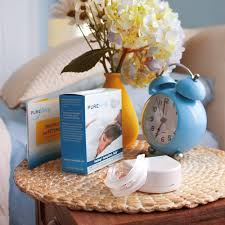
The best newsletters and blogs for a non-toxic bedroom and sleep offer practical tips, expert advice, and community support. They focus on materials, air quality, and habits that promote healthy rest. This content helps you create a safer, more peaceful sleep sanctuary.
Understanding the Non-Toxic Bedroom
A non-toxic bedroom is more than just a tidy room. It’s a space carefully curated to avoid harmful substances. Think about the air you breathe while you sleep. Many everyday items can release tiny particles or gases. These are called volatile organic compounds, or VOCs. They can come from paints, furniture, bedding, and even cleaning products.
Why does this matter for sleep? When you breathe these in all night, your body works harder. It’s trying to process these chemicals. This can disrupt your sleep cycle. It can lead to feeling groggy or less rested. It can also affect your long-term health. Creating a non-toxic space helps your body relax and repair itself. It lets you get truly deep, restorative sleep.
What does “non-toxic” really mean in this context? It means choosing products and practices that minimize exposure to chemicals. This includes things like formaldehyde, phthalates, and flame retardants. These are often found in conventional home goods. They can be linked to health issues. The goal is to make your bedroom a safe haven. It should support your well-being, not work against it.
My First Realization About My Bedroom Air
I remember a few years ago. I was dealing with constant, unexplained headaches. I also felt tired all the time. I’d wake up feeling like I hadn’t slept at all. My bedroom felt cozy, but something was off. I started researching common causes of fatigue and headaches. I stumbled upon articles about indoor air quality.
I looked around my room. I had a new mattress I’d gotten on sale. It had that “new product” smell that I thought would just go away. My curtains were thick and dark. My bedding was a popular brand. I started to wonder if these things were the problem. I felt a little worried. Was the very place I went to rest actually making me sick? It was a strange feeling, a bit of panic mixed with annoyance. I knew I needed to find out more and make some changes.
What Makes a Bedroom Non-Toxic? Key Factors
Creating a non-toxic bedroom involves looking at several key areas. It’s not just about one thing. It’s about a combination of choices. These choices impact the air quality and overall health of your sleep space. Think of it as building a foundation for good rest.
Materials Matter: From Bed to Walls
The things you sleep on and surround yourself with are important. Your mattress is a big one. Many mattresses contain polyurethane foam. They can also have chemical flame retardants. These can off-gas for years. Look for mattresses made from natural latex, organic cotton, or wool. These materials are often better choices.
Bedding is another area. Conventional sheets and comforters might be treated with chemicals. This can include dyes or finishes. Choosing organic cotton, linen, or hemp is a good idea. These are grown without harsh pesticides. They are often processed with fewer chemicals. Even the pillows you use matter. Natural fill pillows are a great alternative to synthetic ones.
Air Quality: The Invisible Elements
Good air quality in your bedroom is crucial for sleep. Dust mites, mold, and pet dander can all affect you. But it’s also about chemical pollutants. VOCs are a big concern. They come from new furniture, carpets, and even some paints. Choosing low-VOC or zero-VOC paints for your walls is a smart move.
Ventilation is also key. Opening your windows, even for a short time each day, helps. It lets fresh air in. It pushes out stale air and any built-up pollutants. Using an air purifier can also help. Look for models with HEPA filters. These can trap small particles like dust and allergens. Some purifiers also help with VOCs.
Lighting and Sound: Setting the Sleep Scene
While not directly “toxic” in the chemical sense, disruptive light and sound can harm your sleep. Too much artificial light before bed can confuse your body. It can make it harder to fall asleep. Using blackout curtains helps. They block out streetlights or early morning sun. Dimming lights in the evening is also good.
Sound can also be an issue. Constant noise can wake you up. Using earplugs or a white noise machine can help. Creating a quiet environment signals to your brain that it’s time to rest. It supports a more natural sleep rhythm.
Quick Scan: Non-Toxic Bedroom Checklist
Bedding: Opt for organic cotton, linen, or hemp. Avoid synthetic fabrics treated with chemicals.
Mattress: Choose natural latex or organic options. Look for certifications like GOTS or GOLS.
Furniture: Select solid wood pieces with natural finishes. Avoid particleboard with formaldehyde.
Paint: Use zero-VOC or low-VOC paints for walls and trim.
Air: Ventilate regularly. Consider an air purifier with a HEPA filter.
Cleaning: Use natural, non-toxic cleaning products for your room.
Navigating the World of Sleep and Health Blogs
The internet is full of advice. But not all of it is created equal. When looking for information on non-toxic bedrooms and sleep, it’s wise to seek out trusted sources. These are often blogs and newsletters run by experts. They might be doctors, scientists, environmental health advocates, or people with lived experience.
These sources dig deeper. They explain the “why” behind the advice. They often cite studies or research. This helps you understand the science. It also helps you see if the advice is based on solid evidence. They can guide you through complex topics. They make them easy to understand. This is where true expertise shines.
My Journey to Better Sleep Through Research
After my initial worries, I started actively searching. I looked for blogs that talked about “healthy homes” and “natural sleep.” I found a few that really stood out. One writer shared her own struggles with allergies. She detailed how changing her bedroom environment made a huge difference. Another blog was run by a chemist who explained VOCs in simple terms.
I learned about certifications to look for, like GREENGUARD and OEKO-TEX. These tell you if products have been tested for harmful substances. I started to feel more in control. It wasn’t just random advice anymore. I was building a plan based on solid information. I subscribed to a few newsletters. Getting regular tips right in my inbox felt very helpful.
Top Resources for Non-Toxic Bedroom and Sleep Information
Finding the right blogs and newsletters can save you so much time and confusion. Here are some types of resources to look for. Think about what kind of information you need most. Do you want scientific explanations? Or practical, step-by-step guides?
Blogs Focused on Healthy Homes and Living
Many blogs cover healthy living broadly. They often dedicate sections to indoor air quality and sleep environments. These can be great places to start. Look for blogs that have been around for a while. Check if they cite sources or experts.
Some blogs focus on families and children. They often have very detailed information. This is because children are more sensitive to toxins. The advice they give is usually applicable to adults too. They might talk about non-toxic toys, but also non-toxic furniture and bedding.
Sleep Science and Hygiene Specialists
Other resources are purely focused on sleep. These might be run by sleep doctors or researchers. They will talk about sleep cycles, hormones, and common sleep problems. They often include environmental factors in their advice. Good air quality and a calm bedroom are usually part of their recommendations.
These specialists might also review sleep products. They will often highlight which ones are made with better materials. They can help you understand the difference between marketing claims and real benefits.
Environmental Health Advocates
There are groups and individuals who focus on environmental health. They work to raise awareness about toxins in our homes and environment. Their content can be very eye-opening. They often break down complex scientific reports into understandable language.
These advocates might also lobby for better regulations. They share information about chemicals to avoid. They can empower you to make informed consumer choices. They often have lists of safer alternatives.
How to Evaluate a Blog or Newsletter
Not all online content is accurate. It’s important to be a critical reader. Here are some tips for figuring out if a source is reliable. This helps you build trust in the advice you receive.
Check the Author’s Credentials
Who is writing the content? Do they have relevant experience? Are they a doctor, scientist, or certified professional in a related field? If they aren’t an expert, do they interview or cite experts? Be wary of anonymous authors or those without clear qualifications.
Look for Citations and Evidence
Does the blog or newsletter back up its claims? Good sources will link to scientific studies or reputable organizations. They will explain where their information comes from. This shows transparency and a commitment to accuracy.
Myth vs. Reality: Non-Toxic Sleep
Myth: All new mattresses have a strong smell because they are high quality.
Reality: A strong “new product” smell often comes from chemicals like VOCs. Natural mattresses have a milder, earthier scent or no scent at all.
Myth: You can’t achieve a dark bedroom without thick, synthetic curtains.
Reality: Natural fiber blackout curtains or blinds are available. Layering lighter curtains can also create darkness.
Myth: Air purifiers are too expensive and don’t really help.
Reality: While some models are pricey, many effective air purifiers are affordable. They can significantly improve indoor air quality by reducing allergens and VOCs.
Consider the Tone and Bias
Is the tone balanced and informative? Or does it sound overly promotional or alarmist? Blogs that are trying to sell you a specific product might sound biased. Look for sources that present pros and cons. They should help you make your own informed decisions.
Read Reviews and Comments
What do other readers say? Are people finding the advice helpful? Are there discussions about the content? This can give you a sense of community. It can also reveal if others have had success with the advice.
Personal Story: The Mattress Dilemma
I was on the hunt for a new mattress. My old one was giving me back pain. I saw ads everywhere for memory foam mattresses. They promised amazing comfort. But many of them had a distinct chemical smell. The descriptions often talked about “advanced foam technology.” I felt a pang of doubt. Was this technology safe for me to sleep on every night?
I spent hours reading reviews. I looked at blogs that compared different mattress types. I found a site that had detailed reports on mattress materials. They explained the potential risks of certain foams and adhesives. They also highlighted mattresses made with natural latex and organic cotton. It was a tough decision. The natural options were more expensive. But knowing I wouldn’t be breathing in chemicals all night made it worth it. I finally chose a natural latex mattress. The difference in my sleep was noticeable. And the peace of mind was priceless.
Practical Tips from Leading Newsletters
Many newsletters focus on actionable advice. They break down complex topics into easy steps. Here are some common themes you’ll find in good newsletters:
Choosing Low-Toxin Bedding
Newsletters often guide you through bedding choices. They might explain the difference between organic cotton and conventional cotton. They might suggest linen or hemp for breathability. You’ll learn about dyes. Many recommend low-impact or natural dyes. They might also discuss the benefits of natural fills like wool or down.
Creating a Breathable Environment
Good newsletters will emphasize ventilation. They might suggest specific times of day to open windows. They could recommend using a dehumidifier or humidifier based on your climate. They often talk about houseplants that help purify the air. They might also review air purifiers.
My Bedroom Air Quality Routine
Daily: Open bedroom windows for at least 15 minutes.
Weekly: Dust surfaces with a damp cloth to trap particles. Vacuum carpets and rugs with a HEPA filter vacuum.
Monthly: Wash bedding in hot water. Check air purifier filters and clean or replace as needed.
Seasonally: Consider professional cleaning for carpets and upholstery. Test indoor air quality if you have concerns.
Smart Furniture and Decor Choices
You’ll find advice on choosing furniture. This includes avoiding particleboard, which often contains formaldehyde. Solid wood with natural finishes is preferred. Newsletters might suggest looking for certifications like GREENGUARD. They might also offer ideas for decorating with natural materials. Think wood, metal, and natural fibers.
Natural Cleaning for Your Sleep Space
How you clean your bedroom matters too. Newsletters often share recipes for DIY non-toxic cleaners. They might recommend simple ingredients like vinegar, baking soda, and castile soap. They will steer you away from harsh chemicals found in many commercial cleaners.
Real-World Scenarios and Their Solutions
Let’s look at some common bedroom situations. We can see how advice from these sources applies.
Scenario 1: The “New Furniture Smell”
You bought a beautiful new dresser. But it has a strong, chemical smell. Your head starts to ache just being in the room.
Expert Advice: This smell is likely VOCs. Air out the room as much as possible. Open windows daily. Consider placing bowls of baking soda or activated charcoal near the furniture to absorb odors. If the smell persists after several weeks, you might need to investigate the furniture’s materials further. Look for furniture made from solid, untreated wood.
Scenario 2: Waking Up Congested
You consistently wake up with a stuffy nose or a scratchy throat. Your bedroom feels a bit musty.
Expert Advice: This could be dust mites, mold, or pet dander. Wash bedding frequently in hot water. Use allergen-proof covers on your mattress and pillows. Ensure good ventilation to prevent mold. Consider a dehumidifier if your room is often damp. An air purifier with a HEPA filter can also help trap allergens.
Scenario 3: Unexplained Headaches at Night
You get headaches that seem to start when you’re in your bedroom. They don’t happen elsewhere.
Expert Advice: This could be linked to VOCs from building materials, paints, or new furnishings. Check the VOC content of your paint. Ensure any new furniture is properly aired out. Even scented candles or air fresheners can cause headaches for some people. Opt for unscented or naturally scented options.
Quick Comparison: Mattress Materials
| Material | Pros | Cons |
|---|---|---|
| Natural Latex | Durable, breathable, hypoallergenic. Made from rubber tree sap. | Can be heavy and expensive. Some people have latex allergies. |
| Organic Cotton/Wool | Soft, breathable, natural. Good for bedding and mattress covers. | Can be less durable than synthetics for mattresses. May require specialized cleaning. |
| Conventional Memory Foam | Affordable, pressure-relieving. | Often contains VOCs and chemical flame retardants. Can retain heat. |
What This Means for Your Sleep and Health
Understanding the non-toxic bedroom concept isn’t just about following trends. It directly impacts your health and well-being. When you create a safer sleep environment, you are investing in yourself.
When It’s Normal to Be Concerned
It’s normal to feel concerned if you experience persistent symptoms. These include unexplained headaches, fatigue, skin rashes, or respiratory issues. These symptoms can be a sign that your environment is affecting you. If these issues seem worse in your bedroom, it’s a strong clue.
When to Seek Expert Advice
If you’ve made changes and still have concerns, it’s time to look for expert help. Talk to your doctor about your symptoms. They can help rule out other medical conditions. You might also consider consulting an environmental health professional. They can perform indoor air quality testing. This can pinpoint specific problems in your home.
Simple Checks You Can Do
You don’t always need fancy equipment. Start by using your senses. Does your room have a persistent chemical smell? Do you wake up feeling congested? Is your bedding itchy or irritating? These are all signs something might be off. Look at the labels on your products. Are there any warning signs or lists of chemicals?
Quick Tips for a Healthier Sleep Space
Making your bedroom less toxic doesn’t have to be overwhelming. Small steps can lead to big improvements. Here are some simple things you can do:
Air it Out Regularly
Make opening windows a daily habit. Even 10-15 minutes makes a difference. This allows fresh air to circulate. It helps remove stale air and any buildup of indoor pollutants.
Choose Natural Fibers
When buying new bedding, look for natural materials like organic cotton, linen, or hemp. These are often grown and processed with fewer chemicals. They are also usually more breathable.
Opt for Low-VOC Products
When painting your room or buying new furniture, choose products labeled “low-VOC” or “zero-VOC.” This means they release fewer harmful chemicals into the air.
Clean Naturally
Use simple, natural cleaning solutions for your bedroom. Vinegar, baking soda, and gentle soaps are effective. Avoid strong chemical cleaners that leave behind fumes.
Declutter and Simplify
Less stuff means fewer potential sources of chemicals. Decluttering also makes it easier to clean. A simpler room can feel more peaceful and restful.
Frequently Asked Questions About Non-Toxic Bedrooms
What is the most important thing for a non-toxic bedroom?
Air quality is often considered the most crucial factor. Ensuring good ventilation and minimizing VOCs from materials like mattresses, furniture, and paints directly impacts the air you breathe all night.
Are all natural mattresses non-toxic?
Most natural mattresses are significantly less toxic than conventional ones. Look for certifications like GOTS (Global Organic Textile Standard) for textiles and GOLS (Global Organic Latex Standard) for latex to ensure they meet strict organic and environmental standards.
How can I reduce dust mites in my bedroom?
Wash bedding weekly in hot water (130°F or higher). Use allergen-proof mattress and pillow encasements. Vacuum carpets and upholstery regularly with a vacuum cleaner that has a HEPA filter.
Reduce clutter where dust can collect.
What are VOCs and why should I avoid them in my bedroom?
VOCs are volatile organic compounds, chemicals that can be released into the air from many common household products like paints, furniture, and cleaning supplies. Avoiding them is important because inhaling VOCs can cause headaches, nausea, and respiratory irritation, and may have long-term health effects.
Can essential oils make my bedroom toxic?
For some people, strong scents from essential oils can be irritating. While many natural essential oils are safe, it’s best to use them sparingly and with good ventilation. Some individuals may be sensitive to specific oils.
Always research the oil and consider a patch test.
How often should I replace my mattress for health reasons?
Most mattresses last about 7-10 years. Replacing them around this time is good for your health because older mattresses can harbor allergens like dust mites and mold, and the support can break down, affecting your sleep posture.
Conclusion
Creating a non-toxic bedroom is a journey. It’s about making informed choices. These choices support better sleep and overall health. By seeking out reliable blogs and newsletters, you gain the knowledge. You can then transform your bedroom into a true sanctuary. A place where you can rest deeply and wake up feeling refreshed. Your well-being is worth the effort.