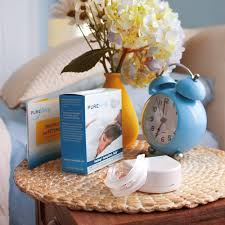
It’s tough when your bedroom doesn’t feel like a restful haven. You want a space that helps you unwind. But sometimes, worries about chemicals or just not sleeping well get in the way.
You might feel a little overwhelmed. It’s good you’re looking for answers. This guide will help you make your bedroom a place for peace.
Creating a non-toxic bedroom for better sleep involves simple steps. Focus on materials, air quality, and reducing light pollution. Use free resources to plan and implement changes for a healthier, more restful space.
Understanding a Non-Toxic Bedroom for Sleep
A non-toxic bedroom is a room designed to be free from harmful chemicals. These chemicals can affect your health. They can also make it hard to sleep.
Think about the things in your room. Many items give off gases. This is called off-gassing.
These gases can build up in the air you breathe. Over time, this can cause problems. It can lead to headaches, allergies, or trouble sleeping.
Making your bedroom non-toxic means choosing safer products. It also means keeping the air clean. This helps your body relax.
It supports good sleep.
Why does this matter so much for sleep? Your bedroom is where you spend many hours. You sleep here.
You rest here. The air quality in your bedroom is very important. When you sleep, your body repairs itself.
It needs clean air to do this well. If the air is full of toxins, your body works harder. It struggles to recover.
This can make you feel tired. It can also make it harder to fall asleep. Or you might wake up feeling unrefreshed.
A non-toxic space helps your body do its job better. It creates an environment for deep, restorative sleep. This is what everyone needs.
This guide will help you learn how to make this happen. We will talk about different areas. We will look at furniture, bedding, and paint.
We will also discuss simple ways to improve air quality. You will find out how to identify potential toxins. You will also learn how to choose safer options.
We will provide free templates and worksheets. These tools will guide your planning. They will help you track your progress.
By the end, you will feel more confident. You will know how to create a bedroom that supports your sleep and well-being.
My Own Sleep Struggle and the Toxin Discovery
I remember one particular spring. The sun was finally staying out longer. But I felt worse, not better.
My sleep was a mess. I would toss and turn all night. Waking up felt like a huge effort.
I was also getting headaches more often. My eyes felt tired all the time. I tried everything I could think of.
I made sure my room was dark. I cut out caffeine late in the day. I even tried new pillows.
Nothing seemed to help. I felt a growing sense of frustration.
Then, one evening, I was helping a friend move. Her new apartment had this strong, weird smell. She said it was from her new mattress and couch.
She mentioned something about “off-gassing.” That sparked something in my brain. I started looking into it. I read about chemicals in furniture.
I learned about flame retardants. I discovered that many common bedroom items could be the culprit. Things like mattresses, carpets, and even new paint can release harmful fumes.
It was like a lightbulb went on.
I went home and looked around my room with new eyes. My mattress was only a few years old. My curtains were new.
My rug was a cheap synthetic one. The “new room smell” I’d noticed when I first decorated was probably not a good sign. It all made sense.
The toxins were likely affecting my sleep and my health. That night, I slept a little better. It was just a hunch, but I felt hopeful.
I decided then and there to make a change. I was going to create a truly non-toxic bedroom.
Understanding Off-Gassing
What it is: When new products release gases into the air. This happens often with plastics, foams, and certain finishes. It’s like a product is “breathing out” chemicals.
Why it matters: These gases can build up indoors. They can cause health issues. They often have a smell, but not always.
Even odorless gases can be harmful.
Common offenders: Mattresses, furniture, carpets, paint, cleaning products, and electronics.
The Building Blocks of a Non-Toxic Bedroom
Making a bedroom non-toxic is like building something strong. You need good materials. You start with the basics.
The biggest items in your room matter most. This includes your mattress, bed frame, and any furniture like dressers or nightstands. Then you move to smaller things.
Bedding, curtains, and rugs are next. Finally, consider the paint on your walls. Each choice adds up.
Picking the right things is key.
Let’s talk about mattresses first. This is where most people spend money. Many mattresses are made with synthetic foams.
These can contain chemicals like formaldehyde and VOCs. VOCs are volatile organic compounds. They are gases that can harm your health.
Look for mattresses made with natural materials. Options include organic cotton, wool, latex, and buckwheat. Certifications can help.
Look for things like GOTS (Global Organic Textile Standard) or OEKO-TEX. These show that the materials are tested. They are tested for harmful substances.
Your bed frame is also important. Many frames are made of particleboard or MDF. These often use glues with formaldehyde.
Solid wood is a better choice. If you choose wood, look for untreated or low-VOC finishes. A simple metal frame can also be a good option.
It usually has fewer chemicals. When buying furniture like dressers or nightstands, the same rules apply. Solid wood is best.
If you buy used furniture, you can often find great pieces. Just make sure to air them out well. You might need to refinish them with a non-toxic sealant.
Key Non-Toxic Materials to Look For
- Bedding: Organic cotton, linen, Tencel, bamboo (Lyocell).
- Mattress: Natural latex, organic cotton, organic wool.
- Furniture: Solid wood (untreated or low-VOC finish), metal.
- Paint: Zero-VOC or low-VOC paints.
Bedding is another area to focus on. Sheets, blankets, and pillows can all contain chemicals. Conventional cotton is often grown with pesticides.
It is also bleached and dyed with harsh chemicals. Organic cotton is a much safer choice. It’s grown without harmful pesticides.
It’s processed using safer methods. Linen is another great natural fiber. It’s durable and breathable.
Tencel and Lyocell are made from wood pulp. They are processed in a way that is better for the environment. These materials are soft.
They are also good for temperature regulation. They help you sleep cooler.
Don’t forget curtains and rugs. Many synthetic fabrics used for curtains can release VOCs. Look for natural fiber curtains.
Think cotton, linen, or bamboo. Ensure they are dyed with safe, non-toxic dyes. Rugs can be a big source of indoor air pollution.
Many carpets and rugs are made with synthetic fibers. They often use glues and backings that contain harmful chemicals. Natural fiber rugs are a good alternative.
Options include wool, jute, sisal, and organic cotton. If you must have a synthetic rug, look for one with certifications. Certifications like Green Label Plus can indicate lower emissions.
Finally, the paint on your walls plays a part. Traditional paints often contain VOCs. These can linger for a long time.
When you are painting your bedroom, choose zero-VOC or low-VOC paint. These paints have very few or no harmful chemicals. They are much better for indoor air quality.
Some brands even have natural pigments. This makes them even safer. When you are choosing materials, remember this: natural is usually better.
If you are unsure about a product, look for certifications. Also, check the ingredient list if available. Your health is worth the extra effort.
Creating Your Non-Toxic Bedroom Plan with Templates
Now that you know what to look for, let’s get organized. Planning is the best way to make changes. You don’t have to do it all at once.
A plan helps you prioritize. It also helps you budget your time and money. We have some free resources to help you.
These are designed to make the process easy. They help you think through each step. They also help you track what you find and what you buy.
First, let’s start with a bedroom inventory. This is a crucial step. You need to know what you already have.
You need to know where the potential problems are. Our first template, the “Bedroom Inventory and Assessment Worksheet,” is for this. You will walk through your room.
You will list every item. For each item, you will note its material. You will also note its age and condition.
Then, you will assess its potential toxicity. This might involve a quick online search. You can look for common chemicals in that type of product.
You can also look for certifications.
This worksheet helps you see the big picture. You might be surprised by how many items are contributing to the problem. It helps you identify the biggest offenders.
For example, you might see your old mattress is a major concern. Or maybe it’s the synthetic rug. This allows you to focus your efforts.
You can decide which items to
Bedroom Inventory & Assessment Worksheet (Sample Categories)
- Item: (e.g., Mattress, Dresser, Curtains, Rug, Paint Color)
- Material: (e.g., Memory Foam, Solid Pine, Polyester, Wool, Latex)
- Age: (e.g., 2 years, 10 years, New)
- Condition: (e.g., Good, Worn, Damaged)
- Potential Toxins: (e.g., Formaldehyde, VOCs, Flame Retardants, Pesticides)
- Action Needed: (e.g., Replace, Clean/Ventilate, Monitor, Keep)
Once you have your inventory, it’s time to plan your replacements. This is where the “Non-Toxic Bedroom Shopping List Template” comes in handy. After you identify items that need replacing, you’ll use this list.
You will list the new item you need. You will specify the non-toxic material you are looking for. For example, “Mattress – Natural Latex, Organic Cotton Cover.” You can also add a column for “Research/Certifications Needed.” This reminds you to look for those OEKO-TEX or GOTS labels.
This shopping list helps you stay focused when you are shopping. It prevents impulse buys. You know exactly what you are looking for.
It also helps you track your progress. As you buy items, you can check them off. This can be very motivating.
Seeing your list get shorter is a great feeling. It shows you are making real progress towards your goal. You are creating a healthier sleep sanctuary.
The act of planning makes the goal achievable.
Another helpful tool is a “Bedroom Air Quality Tracker.” This isn’t about buying something. It’s about observing. Use this sheet to note how the room feels.
You can track smells. You can note any symptoms you experience. You can also note changes you make.
For example, “Opened window for 2 hours – air feels fresher.” Or “New mattress arrived – strong chemical smell noted.” This tracker helps you connect your actions to your well-being. It confirms the benefits of a non-toxic bedroom. It shows how good choices impact your sleep and comfort.
Non-Toxic Shopping List Template (Sample Entries)
- Item Needed: Mattress
- Material Goal: Natural Latex with Organic Cotton Cover
- Certifications to Look For: GOTS, OEKO-TEX Standard 100, GREENGUARD Gold
- Budget: $800 – $1500
- Where to Look: Online retailers, specialty mattress stores
- Item Needed: Bedding (Sheets)
- Material Goal: 100% Organic Cotton
- Certifications to Look For: GOTS
- Budget: $50 – $100
- Where to Look: Organic bedding brands online
Improving Air Quality for Deeper Sleep
Creating a non-toxic bedroom is about more than just materials. It’s also about the air you breathe. Clean air is essential for good sleep.
Even with safe materials, air quality can suffer. Dust, allergens, and indoor pollutants can build up. These can disrupt your sleep.
They can also trigger allergies or asthma. Fortunately, there are simple ways to improve your bedroom’s air.
Ventilation is your best friend. Opening windows is the simplest way to refresh your bedroom air. Even 10-15 minutes a day makes a difference.
Try to do this in the morning. It helps clear out stale air. It brings in fresh oxygen.
If you live in an area with poor outdoor air quality, this might need adjustments. You can check local air quality reports. On days with high pollution, it might be better to limit window opening.
You can also use an air purifier. A good quality air purifier can filter out dust, pollen, and other airborne particles. Look for ones with HEPA filters.
Keeping your bedroom clean is also vital. Dust is a major culprit for poor air quality. Dust mites can trigger allergies.
They can make breathing difficult during sleep. Regular dusting is important. Use a damp cloth or a microfiber cloth.
This traps dust instead of just moving it around. Vacuuming your floors and any upholstered furniture regularly helps too. Aim for at least once a week.
If you have allergies, consider a vacuum with a HEPA filter. This captures even tiny particles.
Quick Air Quality Tips
- Ventilate: Open windows daily, even for a short time.
- Purify: Use a HEPA air purifier, especially if you have allergies.
- Clean: Dust and vacuum regularly.
- Control Humidity: Use a dehumidifier or humidifier if needed.
- Houseplants: Some plants can help filter air (e.g., snake plant, spider plant).
Controlling humidity levels can also improve air quality. Too much humidity can lead to mold growth. Mold releases spores into the air.
These can cause respiratory problems. Too little humidity can dry out your nasal passages. This can make you more prone to illness.
The ideal humidity level for a bedroom is usually between 40-60%. You can use a hygrometer to measure humidity. A dehumidifier can reduce humidity.
A humidifier can add moisture to the air. Choose models that are easy to clean. Mold can grow in humidifiers if they are not maintained.
Houseplants can add a touch of nature. Some plants are known to help filter indoor air. Plants like the snake plant, spider plant, and peace lily can absorb certain toxins.
They also release oxygen. Just be sure to choose plants that are safe. Some plants can be toxic if ingested.
Keep them out of reach of pets and children. Make sure the plants are healthy. Overwatered or dying plants can sometimes encourage mold growth.
So, keep them well cared for.
Finally, consider what you bring into your room. Avoid strong air fresheners. Many contain harsh chemicals.
They can trigger headaches or respiratory issues. Opt for natural methods if you want a scent. Essential oil diffusers can be a good option.
Use pure essential oils. Be mindful of strong scents, as some people are sensitive. Also, be careful with cleaning products.
Use natural, non-toxic cleaners. Many common household cleaners are filled with chemicals. Choosing simple ingredients like vinegar and baking soda can be very effective.
And much safer for your air.
Real-World Scenarios: When Toxins Hide
It’s easy to think of big items like mattresses. But toxins can hide in plain sight. They are often in everyday objects.
Understanding these hidden sources helps you make better choices. You can spot them before they become a problem. You can also plan to replace them later.
Think about your electronics. While not directly a “bedroom item,” we often have them there. Phones, tablets, laptops, and even smart devices.
These can emit electromagnetic fields (EMFs). They also can off-gas plastics and other materials. Try to limit their use in the bedroom.
If you can, charge devices outside your sleeping area. This reduces potential EMF exposure while you sleep. Also, if you have older electronics, they might contain older, more harmful materials.
What about decor? Picture frames, plastic storage bins, even some toys. These can be made with PVC.
PVC contains phthalates. Phthalates are linked to health problems. Look for wood or metal frames.
For storage, use natural materials like wicker or fabric bins. If you have plastic, try to find ones marked as BPA-free or phthalate-free. Even small items add up.
When you are buying anything new, take a moment to check the materials. It’s a small habit that makes a big difference.
Common Hidden Toxin Spots
- Electronics: EMFs and off-gassing from plastics.
- Decor: Picture frames, plastic storage, art supplies.
- Children’s Items: Toys, cribs, changing tables.
- Light Bulbs: Some older bulbs contain mercury.
- Mattress Toppers: Often made from synthetic foams.
Children’s items deserve special mention. If you have a nursery or child’s room, be extra vigilant. Cribs, changing tables, and toys are often made with materials that can be harmful.
Look for solid wood furniture. Ensure it has a non-toxic finish. For toys, choose wood, natural rubber, or organic cotton.
Avoid plastics with strong odors. Check for certifications like GREENGUARD for nursery furniture. The US Consumer Product Safety Commission (CPSC) also has important safety standards to follow.
Even something as simple as a light bulb can be a concern. Older incandescent bulbs are generally safe in terms of chemicals. But fluorescent bulbs, especially compact fluorescent lamps (CFLs), contain mercury.
If a CFL bulb breaks, it releases mercury vapor. This is dangerous. It needs careful cleanup.
It’s best to switch to LED bulbs. LEDs use less energy. They don’t contain mercury.
They are a safer and more efficient choice for any room, including your bedroom.
Consider items you might not think of. Mattress toppers, for example. Many are made from memory foam.
This foam can off-gas significantly. If you need extra comfort, look for toppers made from natural latex. Or wool.
Even things like wall art can be an issue. Some paints and inks used in prints can release VOCs. Always try to find products with eco-friendly certifications.
Or products that clearly state they are low-VOC or non-toxic. Being aware of these hidden sources empowers you. It helps you build a truly safe sleep environment.
What This Means for Your Sleep and Health
So, what does all this mean for you? It means you have the power to create a better sleep space. By reducing toxins, you help your body.
You help it relax more easily. You help it heal better as you sleep. This can lead to several positive changes.
Firstly, you might notice you fall asleep faster. When your body isn’t fighting off chemicals, it can wind down. Your nervous system can calm itself.
You might find fewer restless nights. Your sleep could become deeper. This means more time in those crucial stages of sleep.
Those stages are where the real restoration happens. Waking up will feel more natural. You will feel more rested.
Less groggy. This improvement in sleep quality can impact your whole day. It can boost your mood and energy levels.
Beyond sleep, your overall health can benefit. Reducing exposure to VOCs and other toxins can help with common issues. Headaches can decrease.
Allergies might become less severe. Skin irritations could improve. For people with asthma or respiratory conditions, a cleaner bedroom can mean easier breathing.
It’s about creating an environment that supports your body’s natural functions. Not one that adds to its burdens. Making your bedroom non-toxic is an investment.
It’s an investment in your long-term well-being.
Benefits of a Non-Toxic Bedroom
- Improved Sleep Quality: Fall asleep faster, sleep deeper.
- Increased Energy: Wake up feeling more rested and alert.
- Reduced Health Symptoms: Fewer headaches, less allergy flare-ups.
- Better Breathing: Especially helpful for those with respiratory issues.
- Overall Well-being: A calmer, healthier environment supports mental health.
When is it time to worry? If you consistently have trouble sleeping, despite trying other things. If you experience frequent headaches, fatigue, or unexplained symptoms.
If you notice strong chemical smells in your room, especially from new items. These are signs that something in your environment might be off. It’s worth investigating further.
Your body is giving you signals. Pay attention to them.
How can you do simple checks? Start by smelling the air. Does it smell fresh?
Or does it have a chemical, musty, or stale odor? Check new items for strong smells. Look at the materials your furniture and bedding are made from.
Do they have certifications? Are they natural fibers? You can also try airing out your room more.
Open windows. Use an air purifier. Observe if your symptoms improve.
These simple checks can help you pinpoint potential issues. They can guide your next steps towards a healthier space.
Remember, this is a journey. You don’t have to overhaul your entire room overnight. Start with one or two areas.
Maybe focus on your bedding first. Or your mattress. Then move on to other items.
Each change you make contributes to a healthier environment. The goal is progress, not perfection. Even small steps can lead to significant improvements in your sleep and health.
You are creating a sanctuary for rest and recovery. That’s a powerful thing.
Quick Tips for a Healthier Sleep Space
Making your bedroom non-toxic doesn’t have to be complicated. Here are some simple, actionable tips you can start using today. These are designed to be easy to implement.
They can have a positive impact quickly.
Choose Natural Fibers: When buying bedding, curtains, or rugs, look for organic cotton, linen, wool, or bamboo. These materials breathe well. They also tend to have fewer chemicals than synthetics.
This is a straightforward swap that makes a difference.
Opt for Low-VOC Paint: If you are painting your bedroom, always select zero-VOC or low-VOC paint. This is crucial for indoor air quality. It ensures the air you breathe while sleeping is as clean as possible.
It removes a major source of harmful gases.
Ventilate Daily: Open your windows for at least 10-15 minutes each day. This lets fresh air in. It pushes stale air out.
Even in cooler weather, a short burst of ventilation helps. It’s a free way to improve your air.
Reduce Electronic Use: Try to keep electronics out of the bedroom, or at least limit their use before sleep. Charge phones and laptops elsewhere. This can reduce EMF exposure.
It also helps you disconnect and wind down better.
5 Simple Swaps for a Healthier Bedroom
- Swap: Synthetic bedding for organic cotton or linen.
- Swap: Chemical-laden air fresheners for essential oil diffusers (use sparingly).
- Swap: Old fluorescent bulbs for energy-efficient LEDs.
- Swap: Plastic storage bins for natural wicker or fabric options.
- Swap: Harsh chemical cleaners for DIY vinegar and baking soda solutions.
Clean Regularly: Dust and vacuum your bedroom at least once a week. Use microfiber cloths for dusting. Consider a vacuum with a HEPA filter.
This removes allergens. It keeps your air cleaner. A tidy room is a healthy room.
Consider an Air Purifier: If you live in a city or have allergies, a HEPA air purifier can be a great investment. It filters out dust, pollen, and other airborne particles. It helps maintain clean air circulation in your room.
Choose Natural Wood Furniture: When buying new furniture, opt for solid wood. Look for pieces with minimal finishes or low-VOC sealants. This avoids harmful formaldehyde and glues.
It’s a durable, healthy choice.
Use a Mattress Protector: A good mattress protector can safeguard your mattress. It can block dust mites and allergens. Look for organic cotton or natural materials.
This extends your mattress life. It also keeps it cleaner.
Be Mindful of New Items: When you bring new items into your room, air them out first. If possible, let them sit in a well-ventilated area for a few days. This helps reduce off-gassing before they enter your sleep space.
Prioritize Sleep: Ultimately, the best tip is to make your bedroom a priority. View it as a space for health and recovery. Small, consistent changes add up.
They create a truly restful and rejuvenating environment.
Frequently Asked Questions About Non-Toxic Bedrooms
What is the most important step in creating a non-toxic bedroom?
The most important step is often identifying and replacing your mattress. Since you spend so much time on it, and mattresses can contain a lot of chemicals, choosing a non-toxic mattress made from natural materials like latex or organic cotton is a great starting point.
Are all new mattresses toxic?
Not all new mattresses are toxic, but many conventional ones are. They can off-gas chemicals like VOCs and formaldehyde. Look for certifications like OEKO-TEX, GREENGUARD Gold, or specific labels indicating natural materials like organic latex and cotton to ensure a safer mattress.
How can I make my existing bedroom less toxic without buying new things?
You can improve air quality by ventilating your room daily. Dust and vacuum regularly to remove allergens. Clean with natural, non-toxic cleaners like vinegar and baking soda.
Air out new items before bringing them into the room. Reducing electronics use in the bedroom also helps.
What are VOCs and why are they bad for sleep?
VOCs (Volatile Organic Compounds) are gases released from many common household products. They can cause headaches, dizziness, and respiratory irritation. When you breathe them in while sleeping, your body has to work harder to process them.
This can disrupt sleep patterns and reduce the quality of your rest.
Are natural latex mattresses really non-toxic?
Natural latex mattresses, made from the sap of rubber trees, are generally considered non-toxic. They are a good alternative to synthetic foams. Look for certifications like GOLS (Global Organic Latex Standard) to ensure it’s truly natural and processed without harmful chemicals.
Do I need to replace all my furniture if it’s not solid wood?
Not necessarily. If your furniture is in good condition and doesn’t have a strong chemical smell, it might be fine. You can focus on reducing off-gassing by airing out the room.
If you are buying new furniture, prioritize solid wood or metal. For existing pieces, consider sealing any particleboard with a low-VOC sealant if possible.
What are the best free resources for planning a non-toxic bedroom?
Many websites offer free printable checklists and worksheets. You can find templates for bedroom inventory, shopping lists, and air quality tracking. Searching for terms like “non-toxic bedroom checklist printable” or “healthy home worksheet” will lead you to these helpful tools.
Look for resources from reputable healthy living blogs or environmental organizations.
Conclusion
Creating a non-toxic bedroom is a rewarding journey. It’s about making small, intentional changes. These changes lead to better sleep.
They also lead to improved overall health. You have the tools and knowledge now. Use the free templates to plan your steps.
Focus on natural materials. Prioritize clean air. Your bedroom can become a true sanctuary.
A place where you can rest deeply. A place that supports your well-being.