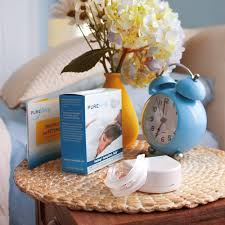
The goal of a non-toxic bedroom is to reduce exposure to harmful chemicals. This includes things found in furniture, bedding, and even air fresheners. It aims to create a safer space for better rest and overall health.
What is a Non-Toxic Bedroom?
A non-toxic bedroom is a space where we try to cut down on harmful stuff. These are chemicals that can make us sick. They can come from many things we use every day.
Think about your mattress. It might have flame retardants. Your pillows could have certain foams.
Even the paint on your walls might give off fumes. We call these fumes Volatile Organic Compounds, or VOCs. They can hurt your breathing.
They can also affect how well you sleep. A non-toxic room focuses on using items that are made with fewer or no such chemicals. The idea is to make your sleep space a true haven.
It should help your body rest and repair. It should not add to your health worries.
Why is this so important? Our homes are where we spend a lot of time. Especially our bedrooms.
We sleep for many hours each night. During this time, our bodies are trying to heal. If our air is full of chemicals, our bodies have to work harder.
This can lead to things like headaches. It can also cause trouble sleeping soundly. Some chemicals are linked to more serious health issues over time.
So, making your bedroom non-toxic is a big step for your well-being. It’s about creating a healthy environment right where you rest.
My Bedroom Wake-Up Call
I remember one summer night clearly. I had just bought a new mattress. It was a memory foam one.
Everyone said they were so comfy. I was excited to try it. The first few nights were okay.
But then I started waking up with a stuffy nose. I also got a weird, faint smell in the room. It wasn’t strong, but it was always there.
I blamed it on the heat. Or maybe it was the new curtains I hung up. Then I started having trouble falling asleep.
I’d toss and turn. I felt a bit groggy during the day too. It was frustrating.
My bedroom was supposed to be my calm place. Instead, it felt like it was making me feel worse. This got me thinking.
What was in that new mattress? I started digging online. That’s when I learned about VOCs and off-gassing.
It was a total eye-opener. My comfy new mattress might be the reason I wasn’t sleeping well. It felt like a betrayal by my own bed!
This led me down the rabbit hole of creating a healthier home.
Understanding the “Toxic” in Your Bedroom
Many common items in a bedroom can release harmful chemicals. This process is often called off-gassing. It happens when new products release gases into the air.
These gases can be bad for our health. They are often linked to things like new furniture, mattresses, and carpets. Even some paints and cleaning supplies can cause this.
The chemicals involved are often referred to as Volatile Organic Compounds (VOCs). There are many types of VOCs. Some common ones include formaldehyde and benzene.
These can be found in glues, dyes, and synthetic materials. They are used to make things last longer. They make them look nicer too.
But the trade-off can be unhealthy air.
Flame retardants are another big concern. They are added to many products. This includes mattresses, upholstery, and electronics.
The goal is to slow down fires. However, many of these chemicals are now known to be harmful. They can build up in our bodies.
They are linked to health problems. These can affect our brains and our hormones. It’s a complex issue.
The chemicals are often not listed on product labels. This makes it hard for people to know what they are buying. So, we need to be aware of common sources.
We need to look for products that are tested and certified. This shows they meet certain safety standards. It helps us choose items that are better for our health.
Common Sources of Indoor Air Pollutants
Furniture: Often made with pressed wood. This can contain formaldehyde glue. Upholstery might have flame retardants.
Finishes and paints can also release VOCs.
Mattresses: Many contain synthetic foams. These can off-gas VOCs. Some also have chemical flame retardants.
Even “natural” latex can sometimes have synthetic additives.
Bedding: Synthetic fabrics like polyester can be treated with chemicals. Dyes used can also be a concern. Look for organic cotton or linen.
Carpeting & Rugs: Synthetic fibers and adhesives can release VOCs. Some dyes used in carpets are also suspect.
Electronics: They can release VOCs and other chemicals. This is especially true when they are new or warm.
Cleaning Products: Many contain strong chemicals. They can leave residue or fumes in the air.
What Does “Non-Toxic” Actually Mean in Practice?
“Non-toxic” isn’t a legally defined term for many products. This can be confusing. What one company calls non-toxic, another might not.
For bedrooms, it generally means products made without certain harmful chemicals. This includes things like formaldehyde, phthalates, and certain flame retardants. It also means using materials that are better for the environment.
Think natural, organic, and sustainably sourced. It’s about making conscious choices. It’s about looking for certifications.
Certifications are key here. They offer a way to verify claims. For example, GREENGUARD Gold is a well-known standard.
It tests for over 360 VOCs. It ensures products are low-emitting. OEKO-TEX is another common one.
It certifies textiles. It means the fabrics are tested for harmful substances. For organic products, look for certifications like GOTS (Global Organic Textile Standard).
This ensures organic fibers are used. It also covers social and environmental criteria. These labels help cut through the marketing.
They give you some trust.
Understanding Key Certifications
- GREENGUARD Gold: For low chemical emissions. Good for furniture, mattresses, and building materials.
- OEKO-TEX Standard 100: For textiles. Ensures no harmful chemicals are in the fabric.
- GOTS (Global Organic Textile Standard): For organic textiles. Covers fiber quality and ethical production.
- CertiPUR-US: For foam products like mattresses. Ensures foam is made without harmful chemicals.
- Formaldehyde-Free: Often seen on wood products. Shows they have minimal formaldehyde.
Building Your Non-Toxic Bedroom: Where to Start
Starting with the biggest items makes sense. Your mattress and pillows are good first steps. These are things you spend hours on each night.
Choosing a mattress made from natural materials is ideal. Think organic latex or wool. Or look for mattresses with CertiPUR-US certification.
For pillows, choose natural fillings like organic cotton, wool, or buckwheat. Or look for OEKO-TEX certified options. These choices make a big difference.
Bedding is another important area. Opt for organic cotton, linen, or bamboo sheets. These are often softer.
They are also grown without harsh pesticides. Look for OEKO-TEX certification here too. Even the duvet cover and blankets can be sources of chemicals.
Choosing natural fibers is best. Wash new bedding before use. This can help remove any lingering factory residues.
It also makes them feel softer.
Paint is often overlooked. Many paints release VOCs. Look for “low-VOC” or “zero-VOC” paints.
These are much better for indoor air quality. They come in many colors now. You can also choose natural paints.
These use plant-based or mineral-based ingredients. They are very safe. When painting, open windows for ventilation.
Let the room air out well before sleeping in it.
Exploring Non-Toxic Materials for Your Sleep Space
When we talk about non-toxic, we mean materials that are safe for us and the planet. Natural materials are often the best choice. They are renewable.
They tend to break down more easily if they end up in landfills. They also usually have fewer processing chemicals. Let’s look at some examples for your bedroom.
Organic Cotton: This is a popular choice for bedding and mattress covers. It’s grown without synthetic pesticides or fertilizers. This is better for farm workers.
It’s also better for the soil and water. Organic cotton feels soft and breathable. It’s a good option for people with sensitive skin.
Make sure it has a GOTS certification to be sure.
Organic Wool: Wool is a fantastic natural material. It’s breathable. It helps regulate body temperature.
It’s naturally resistant to dust mites and mold. It’s also a good fire retardant. This means mattresses made with wool might not need chemical flame retardants.
It can feel a bit firmer than cotton. It’s a great option for mattresses and mattress toppers.
Natural Latex: This comes from the sap of rubber trees. It’s a durable and supportive material. It’s used in mattresses and pillows.
Natural latex is also breathable. It can be a good alternative to memory foam. Look for 100% natural latex.
Some products might be a blend of natural and synthetic latex. Check certifications like OEKO-TEX for assurance. It can have a distinct smell when new, but it fades.
Linen: Made from flax plants, linen is strong and durable. It gets softer with each wash. It’s very breathable.
It’s great for bedding, especially in warmer climates. Like cotton, it’s grown with fewer chemicals. It’s a sustainable choice.
Bamboo Lyocell/Rayon: While bamboo is a fast-growing plant, how it’s processed matters. Bamboo can be made into a fabric called rayon or lyocell. Lyocell is a more eco-friendly process.
It uses less water and fewer chemicals. Bamboo fabrics are known for being soft and moisture-wicking. Look for “bamboo lyocell” for a better option.
Ensure it is OEKO-TEX certified.
The Bedding Deep Dive: Sheets, Quilts, and More
Your bedding touches your skin all night. So, the materials here are super important. Many standard sheets are made from cotton.
But conventional cotton uses a lot of pesticides. It also uses a lot of water. Switching to organic cotton is a great first step.
It feels just as soft, if not softer. Plus, you know it’s made with fewer toxins.
Linen is another excellent choice for bedding. It’s naturally cool. It’s also very durable.
It has a lovely, relaxed look. Some people love the slightly crinkled texture. It’s a bit more expensive upfront.
But linen bedding can last for decades. It’s a real investment in your comfort and health.
What about duvets and comforters? Many are filled with synthetic materials. These can off-gas.
They can also trap heat and moisture. Look for duvets filled with natural materials. Organic cotton, wool, or down (ethically sourced) are good options.
If you choose down, ensure it’s from a reputable source that doesn’t harm the birds. Check for certifications like RDS (Responsible Down Standard).
Pillows are also key. Avoid pillows filled with polyester fiberfill. This is often treated with flame retardants.
Look for pillows filled with organic buckwheat hulls. Or try organic kapok fiber. Organic wool pillows are also available.
Natural latex pillows offer great support. They are also quite durable. Always check for certifications like OEKO-TEX.
Quick Bedding Choices for Beginners
- Sheets: Organic Cotton or Linen (GOTS or OEKO-TEX certified).
- Duvet/Comforter: Organic Cotton, Wool, or RDS Certified Down fill.
- Pillows: Organic Buckwheat Hulls, Kapok Fiber, Organic Wool, or Natural Latex (CertiPUR-US or OEKO-TEX).
- Mattress Protector: Organic Cotton or Tencel (check for waterproof coatings – natural ones are best).
Mattresses: The Big Ticket Item
Your mattress is perhaps the most significant purchase for your bedroom. It’s where you spend a third of your life. Many conventional mattresses are made with polyurethane foam.
They often contain chemical flame retardants. They can also have glues that release VOCs. This is why choosing a non-toxic mattress is so crucial.
Organic Latex Mattresses: These are often considered the gold standard for non-toxic sleep. They are made from the sap of rubber trees. They are naturally durable and supportive.
They are also breathable. You can find mattresses made entirely of natural latex. Some might have a cover of organic cotton or wool.
Look for certifications like GOLS (Global Organic Latex Standard) and GOTS.
Innerspring Mattresses with Natural Materials: Traditional innerspring mattresses can be a good option if they are made with natural components. Look for ones that use organic cotton or wool for padding. The springs themselves are usually fine.
The key is to avoid synthetic foams and chemical treatments.
Hybrid Mattresses: These combine springs with foam layers. If you opt for a hybrid, ensure the foam layers are natural latex or made with CertiPUR-US certified foam. The cover should also be organic cotton or wool.
When buying, always ask about certifications. Don’t be afraid to ask questions. What materials are used?
Are there any flame retardants? What kind of glues are used? A good company will be transparent about these details.
What to Watch Out For: Be wary of “greenwashing.” This is when companies make misleading claims about their products. If a mattress claims to be “eco-friendly” but has no certifications, dig deeper. Often, very cheap mattresses are more likely to contain harmful chemicals.
Investing a bit more in a certified product pays off for your health.
Mattress Material Check
Ideal: 100% Organic Latex (GOLS certified)
Good: Innerspring with Organic Cotton/Wool comfort layers (check for natural fire barriers like wool)
Acceptable: Hybrid with Natural Latex comfort layers (GOLS/GOTS)
Avoid: Conventional Memory Foam (unless CertiPUR-US certified and you understand its limits), Mattresses with chemical flame retardants
Air Quality: The Invisible Factor
Beyond furniture and bedding, the air you breathe in your bedroom is vital. Even with non-toxic items, indoor air can get stale. Or it can pick up pollutants from outside.
Improving air quality is a core part of a healthy bedroom.
Ventilation is King: The simplest and best thing you can do is open your windows. Even 10-15 minutes a day can make a huge difference. This helps to clear out stale air.
It removes any VOCs that might have accumulated. Aim to do this daily, especially after a night’s sleep. If you live in a city with poor outdoor air quality, do this when the air is cleaner (often mid-morning or early evening).
Houseplants: Certain houseplants are known to help filter indoor air. They can absorb some common pollutants. Good choices include Snake Plants, Spider Plants, and Peace Lilies.
Place a few in your bedroom. They also add a nice touch of nature.
Air Purifiers: For areas with high pollution or allergies, an air purifier can be beneficial. Look for models with HEPA filters. These are very effective at capturing small particles.
Some also have activated carbon filters. These can help remove VOCs and odors. Ensure the purifier itself doesn’t release ozone.
Some older or cheaper models do.
Avoid Air Fresheners and Scented Candles: Many of these products release VOCs and phthalates. These can trigger headaches and allergic reactions. Instead, opt for natural ways to scent your room.
Use essential oil diffusers (with pure essential oils). Or simply open windows for fresh air.
Furniture Choices for a Healthier Sleep Space
When it comes to bedroom furniture, think about the materials used. Solid wood furniture is generally a better choice than particleboard or MDF. These often use glues that contain formaldehyde.
If you choose wood furniture, look for solid, sustainably sourced options. If it’s finished, try to find out what kind of finish was used. Natural oils or low-VOC finishes are best.
If you buy secondhand furniture, it might have off-gassed already. This can be a good thing! However, be aware of older finishes that might contain lead.
If you’re unsure, it’s best to get it tested or avoid it. Also, check the upholstery on any chairs or headboards. Look for natural fibers and avoid flame retardants.
Wardrobes and Dressers: Consider dressers made from solid wood. If you have MDF or particleboard, you can try to seal them. Some people use a low-VOC sealant.
But airing out the drawers can also help. Keep drawers open when possible to allow them to off-gas.
Bed Frames: Solid wood or metal bed frames are good choices. They are generally quite inert. If you have a large upholstered headboard, check what padding is used.
And if it has been treated with flame retardants.
Furniture Material Guide
- Best: Solid, untreated wood; Metal
- Good: Solid wood with natural oil/wax finish; Bamboo
- Okay (with caution): FSC-certified wood composites with low-VOC glues; Secondhand furniture (inspect carefully)
- Avoid: Particleboard/MDF with high formaldehyde content; Furniture with chemical flame retardants
Lighting and Electronics: Often Overlooked
The type of light bulbs you use can also impact your bedroom. LED bulbs are a good choice. They use less energy.
They don’t emit as much heat as incandescent bulbs. Some people find that certain LED light colors can affect sleep. Look for “warm white” bulbs.
These have a more yellow tone. This is more similar to natural light. Avoid bright, cool white or blue light close to bedtime.
This can interfere with melatonin production.
Electronics are also a source of electromagnetic fields (EMFs). While the health effects of low-level EMFs are debated, some people prefer to minimize their exposure. If you keep your phone or tablet in the bedroom, consider putting it on airplane mode.
Or charging it in another room overnight. Unplugging chargers when not in use is also a good habit. Even electronics that are “off” can sometimes emit small amounts of EMFs.
If you have a lot of electronics in your bedroom, like a TV or gaming console, consider their placement. Try to keep them as far from your bed as possible. Also, be aware of the plastics they are made from.
Some plastics can off-gas VOCs. Especially when they get warm.
Cleaning Your Non-Toxic Bedroom
Keeping your non-toxic bedroom clean is just as important as choosing non-toxic items. Many conventional cleaning products contain harsh chemicals. These can leave residues.
They can also pollute your indoor air. Fortunately, there are many simple and effective natural cleaning solutions.
Vinegar: White vinegar is a fantastic cleaner. It disinfects, deodorizes, and cuts through grease. You can dilute it with water to clean surfaces.
Use it in a spray bottle. The smell dissipates as it dries. It’s great for floors, counters, and even some windows.
Baking Soda: This is a natural deodorizer and mild abrasive. You can use it to scrub sinks and tubs. Sprinkle it on carpets to absorb odors before vacuuming.
It’s also good for cleaning oven interiors.
Lemon Juice: Lemon juice is a natural disinfectant and has a fresh scent. It can help remove stains and brighten surfaces. Mix it with water or baking soda for a cleaning paste.
Castile Soap: This is a vegetable-based soap. It’s gentle and effective. You can find it unscented or scented with natural essential oils.
Use it to clean floors, dishes, and even as a hand soap.
Microfiber Cloths: These are excellent for dusting and cleaning. They trap dust and dirt effectively. They can be washed and reused many times.
Use them dry for dusting. Or dampen them with your natural cleaning solutions.
When cleaning your bedroom, always ensure good ventilation. Open windows while you clean. This helps any residual cleaning fumes escape.
It also brings in fresh air. Regularly wash bedding, curtains, and any soft furnishings. This removes dust mites and allergens.
DIY Natural Cleaner Recipes
All-Purpose Spray: Mix 1 part white vinegar with 1 part water in a spray bottle. Add a few drops of essential oil (like lemon or lavender) if desired.
Glass Cleaner: Mix 1/4 cup white vinegar with 1/4 cup rubbing alcohol (optional, for extra shine) and 2 cups water. Add a drop of dish soap.
Scrubbing Paste: Mix baking soda with enough water to form a paste. Use it to scrub sinks, tubs, and tile grout.
When Is It “Normal” vs. “Concerning”?
It’s important to remember that not every smell or feeling in your bedroom is harmful. Our bodies and homes are complex. Some things are perfectly normal.
A new mattress or piece of furniture might have a faint smell for a week or two. This is the off-gassing process. If it’s mild and fades, it’s usually okay.
Headaches, stuffy noses, or feeling tired could be due to many things. It could be lack of sleep, stress, or allergies to pollen or dust. The goal of a non-toxic bedroom is to reduce potential triggers.
It’s not about achieving a perfectly sterile environment. That’s not possible or even desirable.
When to be concerned:
- Strong, persistent odors: If a smell is very strong and doesn’t fade after a few weeks, it’s a red flag.
- Respiratory issues: If you or your family members develop new or worsening coughs, wheezing, or shortness of breath in the bedroom.
- Skin rashes or irritation: New or unexplained skin issues that improve when you leave the room.
- Frequent headaches or nausea: Especially if they occur upon waking or when you are in the bedroom.
- Children’s health: Children are more sensitive to toxins. Any new or persistent health problems in children should be taken seriously.
If you experience these issues, start by looking at the newest items in your room. Check your mattress, bedding, and any new furniture. Also, consider the air quality.
Are windows being opened? Is the room well-ventilated?
Simple First Steps for Beginners
Feeling overwhelmed? Don’t be! You don’t have to change everything at once.
Start with a few simple things. This makes it manageable. And it lets you see the difference.
- Ventilate daily: Make opening your windows for at least 15 minutes a habit.
- Wash new bedding: Before using new sheets or pillowcases, wash them in gentle detergent.
- Choose one item to upgrade: Maybe your pillow? Or a set of organic cotton pillowcases?
- Use natural cleaning products: Switch one common cleaner to a vinegar or baking soda solution.
- Reduce electronics near bed: Try charging your phone in the hallway overnight.
- Read labels: Start looking for certifications like OEKO-TEX on textiles.
These small steps add up. They build momentum. You’ll start to feel more comfortable.
You’ll see the benefits. Your bedroom will start to feel like a truly restful sanctuary.
Frequently Asked Questions
What is the most important item to make non-toxic in a bedroom?
The most important item is generally considered to be the mattress. This is because you spend so many hours on it, and mattresses can be made with complex materials and chemicals that may off-gas. Prioritizing a non-toxic mattress can have a significant impact on your sleep quality and health.
Are all memory foam mattresses toxic?
Not all memory foam mattresses are necessarily “toxic,” but many conventional ones can release harmful VOCs. Look for memory foam that is CertiPUR-US certified. This certification means the foam has been tested and meets standards for content, emissions, and durability, indicating it’s made without certain harmful chemicals.
How can I tell if my bedroom air is unhealthy?
Signs of unhealthy bedroom air can include persistent odors, headaches upon waking, increased allergy symptoms like sneezing or a stuffy nose, dry throat, or general fatigue. If these symptoms improve when you leave the bedroom, it’s a strong indicator of indoor air quality issues. Regular ventilation is key.
Is it expensive to create a non-toxic bedroom?
It can be, especially when replacing large items like mattresses. However, you can start with small, affordable changes like using natural cleaning products, ventilating daily, and choosing organic cotton pillowcases or sheets. Prioritize bigger purchases like mattresses when your budget allows, or look for sales and secondhand options carefully.
Do I need to buy all new furniture for a non-toxic bedroom?
No, you don’t need to buy all new furniture. If you have existing furniture, especially solid wood, it might be fine. If it’s made of particleboard or MDF, airing out the room frequently can help reduce VOCs. Consider covering surfaces with natural finishes or simply focusing on improving ventilation. Secondhand furniture can also be a good, often already off-gassed, option.
What are the best natural materials for bedding?
The best natural materials for bedding include organic cotton, linen, organic hemp, and Tencel (made from wood pulp using a more sustainable process). These materials are breathable, soft, and typically produced with fewer chemicals than synthetic alternatives. Always look for certifications like GOTS or OEKO-TEX.
Conclusion
Creating a non-toxic bedroom is a journey. It’s about making informed choices for your well-being. You don’t need to do it all at once.
Start with simple steps. Focus on ventilation and natural materials. Your bedroom should be a place of peace.
A place that supports your health. With awareness and small changes, you can create a truly healthy sleep sanctuary.