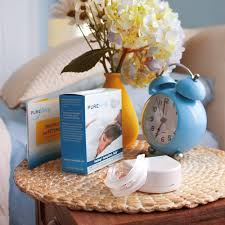
Creating a website or newsletter focused on non-toxic bedrooms and better sleep is a fantastic idea. You’re helping people feel healthier and sleep better. That’s a valuable service.
But once you’ve built your platform, how do you make it grow and maybe even earn some money? It can feel like a big puzzle. Let’s break it down.
This guide explains how to successfully monetize and expand your online presence for non-toxic bedrooms and sleep environments. You will discover content ideas, audience engagement tactics, and various revenue streams suitable for this niche. The focus is on building trust and providing real value.
Understanding Your Niche and Audience
Your niche is all about creating spaces that are good for your health and help you sleep well. This means looking at things like the materials in your bedroom. It’s also about habits that lead to restful nights.
Think about furniture, bedding, paints, and even cleaning products. All these things can affect air quality and your body.
Who are you talking to? They are likely people who are already interested in health and wellness. They might be parents worried about their kids’ rooms.
They could be people with allergies or sensitivities. They might just be tired of not sleeping well. They want solutions that are safe and effective.
Knowing these people well helps you create content they will love. It also helps you figure out the best ways to earn money. You want to offer them things they truly need or want.
This builds trust. Trust is key for long-term success.
Creating Valuable Content Consistently
Content is the heart of your website or newsletter. It’s what attracts people. It’s what keeps them coming back.
For a non-toxic bedroom and sleep niche, there’s so much to talk about. You can cover a wide range of topics. This keeps things interesting for your readers.
Start with the basics. What makes a bedroom non-toxic? Explain different materials like organic cotton or wool.
Talk about why certain plastics or chemicals are bad. Share tips on how to identify safe products. This is foundational knowledge.
Then, dive deeper. Discuss the science behind sleep. How does light affect our sleep cycles?
What about temperature? Explain how a non-toxic environment can improve sleep quality. Share practical advice for creating a calming atmosphere.
This includes things like decluttering and mindful routines.
Think about seasonal content too. How can you make your bedroom cozy and non-toxic for winter? What about spring cleaning and refreshing your space for summer?
These timely topics can draw in new readers.
Use different formats for your content. Blog posts are great for in-depth information. Newsletters can offer quick tips and updates.
You could also explore video or audio content later on. The goal is to provide value in a way that’s easy to digest.
Make sure your content is well-researched. Cite credible sources when you talk about health or science. Mentioning trusted U.S.
institutions like the EPA or Consumer Reports adds authority. This shows you’ve done your homework. It builds trust with your audience.
Consistency is also crucial. Try to publish new content on a regular schedule. This could be once a week or twice a month.
Whatever you choose, stick to it. This trains your audience to expect new information from you.
Building Your Audience and Community
Having great content is only half the battle. You need people to see it! Building an audience means getting your message out there.
It also means creating a community around your platform.
Search Engine Optimization (SEO) is your best friend here. This helps people find your website when they search on Google. Use relevant keywords naturally throughout your content.
Think about terms like “organic bedding,” “low VOC paint,” or “sleep hygiene tips.”
Build quality backlinks from other reputable sites. This tells search engines that your content is valuable. Share your content on social media platforms.
Choose platforms where your target audience spends their time. Instagram and Pinterest can be great for visual niches like home decor and wellness.
Email marketing is another powerful tool. Encourage people to sign up for your newsletter. Offer a freebie, like a checklist for a non-toxic bedroom, to entice them.
Your newsletter is a direct line to your most engaged readers. Use it to share new content, special offers, and build a deeper connection.
Engage with your audience. Respond to comments on your blog. Answer questions in your newsletter.
Create a Facebook group or a dedicated forum. Make people feel heard and valued. When they feel part of a community, they are more likely to stick around and become loyal followers.
Collaborate with other bloggers or influencers in related niches. This can expose your platform to new audiences. Cross-promotion can be a win-win for everyone involved.
Pay attention to analytics. See which content performs best. Understand where your traffic is coming from.
This data helps you refine your strategy and focus on what works.
Audience Growth Tactics
Email List Building:
- Offer a compelling lead magnet (e.g., a guide, checklist, or discount).
- Use clear sign-up forms on your website.
- Promote your newsletter on social media.
Social Media Engagement:
- Post regularly with high-quality visuals.
- Run polls and Q&A sessions.
- Use relevant hashtags.
Community Building:
- Create a private Facebook group.
- Respond to comments promptly.
- Foster discussions among members.
Monetization Strategies for Your Niche
Now, let’s talk about making money. There are many ways to monetize a website or newsletter about non-toxic bedrooms and sleep. The key is to offer value that aligns with your audience’s needs and desires.
Affiliate Marketing
This is a popular method. You recommend products you trust. When someone buys through your unique link, you earn a commission.
Focus on products that are genuinely non-toxic and promote good sleep.
Think about organic mattresses, natural bedding, eco-friendly furniture, or air purifiers. Be transparent with your audience about affiliate links. This builds trust.
Only promote products you have personal experience with or thoroughly vet.
I remember recommending a specific brand of organic cotton sheets to a reader. She had been struggling with skin irritation from synthetic materials. She bought them, and a few weeks later, she emailed me.
She said her sleep was so much better and her skin felt calmer. That felt amazing, and it was a sale!
Selling Your Own Products or Services
If you have expertise, you can create your own offerings. This could be an e-book on creating a non-toxic nursery. Maybe it’s a mini-course on improving sleep hygiene.
You could offer consulting services to help people design their non-toxic bedrooms.
Creating digital products allows for passive income. Once made, they can be sold repeatedly. Physical products could include things like custom-blended essential oils for sleep or handcrafted organic pillows.
This requires more investment and logistics.
Advertising and Sponsorships
Once you have a decent amount of traffic, you can sell ad space on your website. Google AdSense is a common starting point. As your audience grows, you can seek direct advertising deals with brands that align with your values.
Sponsorships are similar. Brands pay you to feature their product or service in your content. This could be a sponsored blog post, a newsletter mention, or a dedicated review.
Again, authenticity is key. Only partner with brands you genuinely believe in.
I had a chance to partner with a company that made natural mattresses. They were already a brand I admired. We worked together on a series of posts and social media updates.
It felt authentic because I truly believed in their product. The readers responded well, too.
Premium Content or Memberships
Offer exclusive content to paying subscribers. This could be in-depth guides, live Q&A sessions, or a private community forum. This creates a recurring revenue stream.
For example, you could have a monthly membership that gives access to expert interviews, advanced sleep tips, or printable resources for bedroom detoxing. This is ideal for your most dedicated audience members.
Revenue Stream Snapshot
Affiliate Marketing: Earn commission recommending products.
Digital Products: Sell e-books, courses, or guides.
Physical Products: Offer handcrafted or curated items.
Advertising: Display ads on your website.
Sponsorships: Partner with aligned brands for promotions.
Memberships: Provide exclusive content for subscribers.
Navigating the “Non-Toxic” Landscape
The term “non-toxic” can be tricky. Regulations vary. What one company calls non-toxic, another might not.
It’s important to be informed and transparent.
Understand common chemicals to avoid. These include formaldehyde, phthalates, and VOCs (Volatile Organic Compounds). Explain what these are in simple terms.
Tell people where they are commonly found.
Look for certifications. Certifications like GOTS (Global Organic Textile Standard) for textiles or GREENGUARD for building materials can be helpful indicators. However, no single certification is perfect.
It’s often a combination of factors.
Share your personal vetting process. How do you choose the products or brands you feature? This transparency is crucial for building trust.
Your audience will appreciate knowing how you make your recommendations.
Be aware of greenwashing. This is when companies make misleading claims about their products being environmentally friendly or non-toxic. Educate your audience on how to spot these tactics.
Spotting Greenwashing
Vague Claims: Look out for broad statements with no specific evidence.
Irrelevant Claims: Focusing on one small eco-friendly attribute while ignoring larger issues.
Hidden Trade-offs: Promoting one green feature while hiding other harmful ones.
No Proof: Claims without any third-party certifications or verifiable data.
Fake Labels: Using misleading or self-created “eco-logos.”
Real-World Scenarios and Practical Advice
People want to know how this applies to their actual homes. Share specific scenarios. What does a non-toxic bedroom look like for a renter?
What about for someone on a tight budget?
For renters, suggest removable options. Think about non-toxic bedding and curtains. They can take these with them when they move.
For those on a budget, suggest buying second-hand furniture and refinishing it with low-VOC paints. Or focus on smaller changes first, like air-purifying plants.
Discuss everyday habits. How can someone improve their sleep environment without a complete overhaul? Simple things like washing bedding regularly, using natural cleaners, and keeping electronics out of the bedroom can make a big difference.
I remember helping a friend who was expecting a baby. She was overwhelmed by all the choices for baby furniture. We sat down with a list of concerns.
We looked for pieces made from solid wood with natural finishes. We found some great brands that offered GREENGUARD Gold certification. It was a relief for her.
Consider different climates too. In humid areas, mold prevention is key. In dry climates, managing indoor air quality from heating systems is important.
Tailor your advice to different living situations.
Focus on progress, not perfection. It’s rare for any home to be 100% “non-toxic” immediately. Encourage small, achievable steps.
This makes the process less daunting for your audience.
When is it Normal, and When to Worry?
It’s important to distinguish between minor irritations and serious concerns. A slight headache after buying new furniture might be temporary as it off-gasses. This is common.
However, persistent symptoms like chronic fatigue, unexplained rashes, or respiratory issues that improve when leaving the house could be a sign of a more serious problem. These could be linked to indoor air quality or specific materials.
If someone is experiencing severe or ongoing health issues, it’s always best to advise them to consult a medical professional. You are providing information, not medical diagnoses.
Simple checks can empower your audience. Encourage them to open windows for ventilation daily. Suggest testing their indoor air quality with a simple monitor.
Guide them on how to clean their air filters regularly.
Talk about the importance of a consistent sleep schedule. This is a cornerstone of good sleep hygiene. Explain how a dark, quiet, and cool room promotes better sleep.
These are actionable steps anyone can take.
Quick Sleep Environment Checks
Darkness: Use blackout curtains if needed. Cover any light-emitting electronics.
Quiet: Consider earplugs or a white noise machine if sensitive to sound.
Temperature: Aim for 60-67°F (15-19°C) for optimal sleep.
Air Quality: Ensure good ventilation and consider an air purifier.
Comfort: Your mattress and pillows should be supportive and comfortable.
Quick Fixes and Tips for a Better Sleep Space
Sometimes, people just need a few easy tips to get started. Focus on actionable advice they can implement right away.
Declutter: A tidy room leads to a tidy mind. Less clutter means less dust. It also creates a more peaceful atmosphere.
Air it Out: Open windows for at least 15-30 minutes each day. Even in winter, fresh air is important.
Natural Scents: Use essential oils like lavender or chamomile in a diffuser. Avoid synthetic air fresheners.
Mindful Shopping: When buying new items, read labels. Look for natural and sustainable materials. Prioritize items with fewer chemicals.
Bedding Basics: Switch to organic cotton or linen bedding. Wash bedding regularly in a natural detergent.
Digital Detox: Keep electronics out of the bedroom. The blue light can interfere with sleep hormones. Charge your phone in another room.
These are small changes that can have a big impact over time. They are practical and accessible for most people.
Frequently Asked Questions
What are the most common toxic chemicals found in bedrooms?
Common toxic chemicals include VOCs from paints and furniture, formaldehyde in pressed wood products, phthalates in plastics and vinyl, and flame retardants in some mattresses and upholstery. These can affect air quality and health.
How can I make my bedroom non-toxic on a budget?
Focus on ventilation and decluttering first, which are free. Buy second-hand furniture and refinish it with low-VOC paint. Prioritize one item at a time, like organic bedding or a natural mattress topper, when your budget allows.
Wash existing items thoroughly.
Is it safe to use essential oils for sleep?
Yes, many essential oils like lavender, chamomile, and bergamot are known for their calming properties. Use them in a diffuser with good ventilation. Always dilute essential oils properly and ensure they are safe for use around pets or children if applicable.
How often should I clean my non-toxic bedroom?
Regular cleaning is key. Dust surfaces weekly with a damp cloth to trap particles. Vacuum carpets and rugs with a HEPA filter vacuum at least once a week.
Wash bedding weekly in natural detergents. Ensure good ventilation daily.
What are the best certifications to look for in bedding?
Look for certifications like GOTS (Global Organic Textile Standard) for organic cotton and wool. OEKO-TEX Standard 100 is also good, ensuring the fabric is free from harmful substances. These provide assurance about the materials used.
Can I still use scented candles if I want a non-toxic bedroom?
Traditional scented candles can release harmful chemicals when burned. If you love scents, opt for 100% soy or beeswax candles with natural essential oil fragrances. Alternatively, use diffusers with pure essential oils for a safer scent experience.
Conclusion
Building a thriving platform around non-toxic bedrooms and sleep is a rewarding journey. By focusing on creating valuable content, engaging your audience, and choosing monetization strategies that align with your values, you can grow your reach and impact. Remember to always prioritize authenticity and transparency.
Your audience will thank you for it.