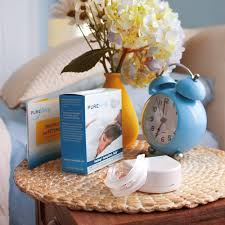
A non-toxic bedroom uses materials and products that don’t release harmful chemicals. This leads to better air quality, improved sleep quality, fewer allergies, and overall better health. It means choosing items that are safer for you and the planet.
What is a Non-Toxic Bedroom?
A non-toxic bedroom is a space designed with health in mind. Every item in it is picked to be as safe as possible. This means no nasty chemicals are floating around in the air.
It’s about creating a peaceful haven for your body and mind. Think of it as a big, comfy hug for your well-being.
Why does this matter so much? Because we spend a lot of time in our bedrooms. We sleep there for hours each night.
If our beds, paints, or even rugs are giving off bad stuff, our bodies breathe it in. This can cause headaches, trouble sleeping, and other health issues over time. A non-toxic bedroom aims to stop this.
The air we breathe indoors can be much dirtier than outdoor air. This is often because of things called Volatile Organic Compounds, or VOCs. Many everyday items like furniture, cleaning supplies, and even new clothes can give off these VOCs.
In a non-toxic bedroom, the goal is to pick things that don’t emit these harmful gases. It’s about being smart with your choices for a healthier life.
My Bedroom Journey: From Chemical Soup to Calm Haven
I remember when I first moved into my apartment. I was so excited to decorate. I bought a new mattress, a fluffy rug, and some colorful curtains.
I also painted a wall a bright blue. It all looked great! But something felt off.
I started waking up with a scratchy throat. My eyes felt dry. And my sleep wasn’t as deep as it used to be.
I tried everything: more water, cutting out caffeine, even sleeping pills. Nothing really helped. Then, one day, I read an article about VOCs in home goods.
It hit me like a ton of bricks. That new mattress? Those fresh paint fumes?
That cheap rug? They were all potential culprits. I felt a wave of worry wash over me.
I had unknowingly turned my sanctuary into a chemical soup.
I decided to make a change. It wasn’t easy, and it cost a bit of money upfront. But I started swapping things out.
I got an organic cotton mattress topper. I
Bedroom Air Quality Boosters
Why It Matters: Cleaner air helps you breathe easier, sleep deeper, and feel more rested. Poor indoor air can cause headaches and fatigue.
Quick Tips:
- Open windows daily for fresh air.
- Use a HEPA air purifier.
- Choose natural cleaning products.
The Hidden Dangers Lurking in Your Bedroom
Many items we bring into our homes seem harmless. But they can be sources of toxins. Let’s look at some common bedroom culprits.
These are things that can release chemicals into your air without you even knowing it.
Mattresses and Bedding: Many mattresses are made with synthetic foams and fire retardants. These can release VOCs. Even bedding can be treated with harsh chemicals for wrinkle resistance or color.
Look for organic cotton, linen, or wool. Certified organic options are best. They are made without harmful pesticides or chemicals.
Furniture: Particleboard furniture often uses glues with formaldehyde. This is a known carcinogen. Solid wood furniture is usually a better choice.
If you buy pressed wood, look for low-VOC or no-VOC certifications. Proper sealing can also help. This traps chemicals inside the material.
Paints and Finishes: “Low-VOC” paint is a step in the right direction. But some still contain chemicals. “Zero-VOC” paints are even better.
These release very few harmful compounds. Even the finishes on wooden furniture can off-gas. Natural oils or water-based finishes are safer.
Rugs and Carpets: Many synthetic carpets and rugs are treated with stain repellents and dyes. These can contribute to indoor air pollution. Natural fiber rugs, like jute, sisal, or wool, are much better options.
Make sure they are also made with natural dyes and glues.
Electronics: While not always thought of as toxins, electronics can release electromagnetic fields (EMFs). Some people are sensitive to these. While research is ongoing, reducing exposure is a good idea.
Keep devices away from your bed at night.
Cleaning Products: Harsh cleaners with strong scents can fill your room with fumes. Opt for natural cleaning solutions like vinegar, baking soda, and essential oils. These clean effectively without the toxic load.
Even air fresheners can add to the problem.
Personal Care Products: Many lotions, perfumes, and hairsprays contain synthetic fragrances. These can trigger allergies and sensitivities. Try to choose unscented or naturally scented options.
Store these items outside the bedroom if possible.
It’s easy to feel overwhelmed by this list. The goal isn’t perfection. It’s about making informed choices.
Small steps can lead to big improvements in your bedroom’s air quality. Choosing one or two areas to focus on first can make it feel more manageable.
The Many Benefits of a Non-Toxic Sleep Space
Creating a non-toxic bedroom is more than just a trend. It offers real, tangible benefits for your health and happiness. Let’s break down why making these changes is so worthwhile.
It’s about improving your daily life from the ground up.
Sleep Quality Enhancements
The Connection: A non-toxic environment reduces irritants. This allows your body to enter deeper sleep cycles. Less exposure to chemicals means less internal stress.
Key Benefits:
- Fall asleep faster.
- Stay asleep longer.
- Wake up feeling more refreshed.
- Experience less sleep disruption.
Improved Respiratory Health: Without harsh chemicals and off-gassing fumes, your lungs have an easier time. This is especially important for people with asthma or allergies. Cleaner air means less irritation and fewer breathing problems.
You’ll notice it when you breathe deeply.
Reduced Allergy Symptoms: Many synthetic materials and fragrances trigger allergies. Removing these irritants can significantly reduce sneezing, itchy eyes, and congestion. Your body can finally relax without fighting off constant triggers.
Better Mental Clarity and Mood: A calm, clean environment promotes a calm mind. When your body isn’t working hard to process toxins, your brain can function better. This leads to improved focus, reduced anxiety, and a more positive mood.
Your bedroom becomes a true sanctuary.
Fewer Headaches: Headaches are a common symptom of exposure to VOCs. By reducing these chemicals, you can often eliminate or greatly reduce tension headaches. Imagine waking up without that dull ache.
Healthier Skin: Some chemicals can irritate the skin. A non-toxic environment means less exposure to potential allergens and irritants. This can lead to clearer, calmer skin.
Your largest organ will thank you.
Long-Term Health Protection: Some chemicals found in home goods are linked to more serious long-term health issues. Reducing your exposure now is a proactive step towards lifelong wellness. It’s an investment in your future self.
This is a key part of a non-toxic bedroom.
These benefits aren’t just theoretical. Many people who make the switch report feeling a significant difference. It’s a powerful reminder that our surroundings truly impact our health.
The desire for a non-toxic bedroom is rooted in these real-world improvements.
Real-World Scenarios: Navigating the Non-Toxic Bedroom
Let’s explore how a non-toxic bedroom plays out in everyday life. We’ll look at different situations and choices people make.
Scenario 1: The New Homeowner
Challenge: You just bought a house and want to paint the master bedroom a calm, soothing color. You’re worried about paint fumes, especially since you’ll be sleeping in there soon.
Non-Toxic Approach: You choose a zero-VOC paint. You also opt for a brand that uses natural pigments. Even with zero-VOC, you decide to paint a few weeks before moving in.
This allows plenty of time for off-gassing. You open windows during painting and for days afterward. This ensures the air is as fresh as possible.
Scenario 2: The Allergy Sufferer
Challenge: Your child suffers from dust mites and seasonal allergies. Their bedroom always seems to be a trigger, even after cleaning.
Non-Toxic Approach: You invest in hypoallergenic, organic cotton bedding. You buy a mattress encasement made of natural materials. You swap out their old synthetic rug for a washable, natural jute rug.
You also get a high-quality HEPA air purifier for their room. These steps significantly reduce dust mites and other airborne irritants, helping them sleep better.
Scenario 3: The Budget-Conscious Decorator
Challenge: You want a healthier bedroom but can’t afford to replace everything at once. You need to make smart, gradual changes.
Non-Toxic Approach: You start with the essentials. You prioritize a non-toxic mattress or topper. Next, you focus on bedding, choosing organic cotton sheets.
You also switch to natural fiber laundry detergent. For furniture, you look for second-hand solid wood pieces instead of new particleboard. You gradually replace items as your budget allows.
This shows that creating a non-toxic bedroom can be a process.
These examples show that a non-toxic approach is flexible. It can be adapted to different needs and budgets. The key is awareness and making informed choices over time.
Even small changes can add up to a much healthier sleep environment.
What This Means for You: Normal vs. Concerning
It’s good to know what to look out for. Some things are normal, while others might signal a problem. Understanding this helps you make better decisions for your bedroom.
Normal Bedroom Sensations:
- Fresh Air Scent: After opening windows, your room might smell fresh and clean. This is a good sign.
- Slight New Item Smell (Temporary): Some natural materials might have a mild, earthy smell when new. This usually fades quickly. Think of the scent of a new linen shirt.
- Comfortable Temperature: Your room feels cool or warm enough for sleep without being stuffy.
Concerning Bedroom Sensations:
- Chemical or Plastic Odors: A strong, lingering smell of chemicals, new plastic, or “off” glue is a red flag. This indicates off-gassing.
- Persistent Headaches or Dizziness: If you regularly wake up with a headache or feel dizzy in your bedroom, it could be air quality related.
- Worsening Allergies or Asthma: Increased sneezing, coughing, or difficulty breathing in your bedroom points to irritants.
- Skin Rashes or Irritation: New or worsening skin issues after bringing new items into the room could be a reaction.
- Dry Eyes or Sore Throat: A persistent feeling of dryness or irritation in your eyes or throat while in the room is concerning.
Simple Checks You Can Do:
- Air Out Regularly: Make it a habit to open windows for at least 15-30 minutes each day. Even in winter, a quick airing can help.
- Sniff Test: Trust your nose. If a smell seems strong or unpleasant, it’s worth investigating.
- Observe Your Body: Pay attention to how you feel before, during, and after spending time in your bedroom.
- Check Labels: Look for certifications like GREENGUARD, OEKO-TEX, or GOTS (Global Organic Textile Standard) when buying new items.
Recognizing these signs helps you take action. Your body is often the best guide. Prioritizing a non-toxic bedroom means listening to what it tells you.
Quick Tips for a Healthier Sleep Space
Making your bedroom healthier doesn’t have to be a huge overhaul. Here are some simple, actionable tips you can use right away. These are easy ways to improve your sleep sanctuary.
Tip: Natural Fiber Focus
Action: Swap synthetic fabrics for natural ones. Think organic cotton, linen, bamboo, or wool. This applies to bedding, curtains, and even clothing stored in your room.
Why: Natural fibers breathe better and are less likely to be treated with harsh chemicals. They also tend to be biodegradable.
Tip: Declutter and Simplify
Action: Less stuff means fewer potential sources of chemicals. Regularly declutter your bedroom. Keep surfaces clear.
Why: A tidy room is easier to clean without harsh products. It also creates a calmer visual space, which aids relaxation.
Tip: Plant Power
Action: Add a few air-purifying plants to your room. Snake plants, spider plants, and peace lilies are good choices.
Why: Plants naturally filter indoor air. They can help remove certain toxins and add a touch of nature, which is calming.
Tip: Unplug at Night
Action: Keep electronics like TVs, laptops, and phones out of the bedroom or at least away from your bed.
Why: Electronics can emit EMFs and also give off heat and light that disrupt sleep. Plus, they can be a distraction.
Tip: Natural Scents Only
Action: Avoid synthetic air fresheners and scented candles. If you like a scent, use a few drops of pure essential oil on a diffuser or cotton ball.
Why: Synthetic fragrances are a common source of VOCs and can trigger sensitivities. Natural scents are generally safer.
Implementing even one or two of these tips can make a noticeable difference. The goal is progress, not perfection. A non-toxic bedroom is achievable with a few smart choices.
Frequently Asked Questions About Non-Toxic Bedrooms
What are the most common toxins found in bedrooms?
The most common toxins are Volatile Organic Compounds (VOCs) released from furniture, paints, carpets, and cleaning products. Other concerns include formaldehyde from pressed wood products, flame retardants in mattresses and electronics, and phthalates in plastics and fragrances.
Is organic bedding really worth the extra cost for a non-toxic bedroom?
For many, yes. Organic bedding is made without synthetic pesticides, herbicides, and harsh chemicals used in conventional cotton farming and processing. This means fewer toxins in the fabrics you sleep on every night, leading to better air quality and less skin irritation.
It’s an investment in your health.
How can I make my bedroom non-toxic on a tight budget?
Start small. Prioritize replacing items you spend the most time with, like your mattress or bedding, with safer options. Look for second-hand solid wood furniture instead of new particleboard.
Use natural cleaning solutions like vinegar and baking soda. Air out your room often. Gradually switch out items over time.
Do plants really help purify the air in a bedroom?
Yes, plants can help! NASA’s Clean Air Study showed that certain houseplants can filter out common indoor air toxins like benzene, formaldehyde, and trichloroethylene. While you’d need many plants to make a huge difference, they contribute to better air quality and create a more calming atmosphere.
How long does it take for new furniture to stop off-gassing?
This varies greatly depending on the material and manufacturing process. Some furniture may off-gas for a few weeks, while others can release chemicals for months or even years. It’s best to air out new items thoroughly before bringing them into your bedroom.
Look for low-VOC certifications when purchasing.
What is the difference between low-VOC and zero-VOC paint?
Low-VOC paints have reduced levels of Volatile Organic Compounds but still contain some. Zero-VOC paints have minimal to no VOCs released during application and drying. For the healthiest indoor air quality, zero-VOC paints are the preferred choice for bedrooms and living spaces.
Creating Your Personal Non-Toxic Sanctuary
Building a non-toxic bedroom is a journey toward better rest and health. It’s about making conscious choices that support your well-being. Every small step you take creates a more peaceful and healthy space for you to unwind.
Your bedroom should be a place of true restoration.
Remember, the goal is progress, not perfection. Focus on what you can control. Embrace the journey, and enjoy the profound benefits of sleeping in a healthier environment.
Your body and mind will thank you for it.