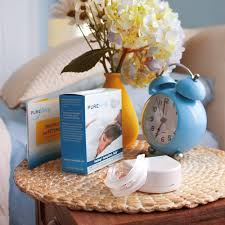
The fastest way to start a non-toxic bedroom is to focus on bedding and air quality. Swap synthetic bedding for natural fibers. Open windows daily. Reduce chemical cleaners. You can create a healthier sleep space quickly with these easy steps.
What Is a Non-Toxic Bedroom?
A non-toxic bedroom is a room designed to minimize harmful chemicals. These chemicals can affect your health. They can also impact your sleep.
Think about things like VOCs. These are volatile organic compounds. They come from paints, furniture, and cleaning products.
Other issues include allergens. Things like dust mites and mold can also be present. A non-toxic space aims to reduce these things.
It creates a cleaner, healthier environment for you to sleep in.
Why does this matter so much for your bedroom? You spend about a third of your life sleeping. Your bedroom is where you breathe most deeply.
This air is what your body takes in. If that air has bad stuff in it, your body is affected. Over time, this can lead to health problems.
It can also make your sleep worse. You might toss and turn more. You might wake up feeling tired.
Creating a non-toxic space helps your body heal. It supports better sleep. It lets you wake up feeling refreshed.
My Bedroom Glow-Up Journey
I remember feeling exactly how you might feel now. My bedroom had always been my sanctuary. But one day, I read an article about indoor air quality.
It talked about common household items. It linked them to sleep problems and even headaches. I looked around my room.
I saw my plush, synthetic duvet. I smelled the air freshener I used. I even thought about the paint on my walls.
Suddenly, my cozy room felt less safe. I felt a bit panicked. Was I breathing in bad stuff every night?
The good news is I learned a lot. I started small. I didn’t try to change everything at once.
That would have been too much. I focused on one thing at a time. First, I looked at my bedding.
Then, I thought about cleaning. I even considered the air that came into my room. It took some effort, but I began to see a difference.
My sleep got better. I felt less stuffy in the mornings. It proved to me that small changes make a big impact.
You can achieve this too.
7-Day Non-Toxic Bedroom Plan: Day by Day
Day 1: Declutter & Assess
Go through your room. Remove things you don’t need. Look at what you have.
Think about where it came from. Are there a lot of plastics? Are there strong smells?
Day 2: Bedding Swap
Focus on your mattress and pillows. Look for natural materials. Cotton, wool, or latex are good choices.
You don’t have to buy new today. Just research what to look for.
Day 3: Natural Cleaners
Gather your cleaning supplies. See if you can replace harsh chemicals. Vinegar, baking soda, and castile soap are great options.
Make one simple DIY cleaner.
Day 4: Air In, Air Out
Open your windows. Let fresh air circulate. Even for 15 minutes.
Consider getting a few easy-care plants.
Day 5: Lighting Check
Look at your light bulbs. Can you switch to LEDs? They use less energy.
They also don’t contain mercury like old fluorescents.
Day 6: Decor Dive
Check your decor items. Are they made of natural materials? Wood, glass, or metal are often better.
Avoid vinyl or plastic items.
Day 7: Final Touches & Habits
Review your room. Solidify new habits. Like opening windows daily.
Stick to your natural cleaning routine.
The Core of Your Sleep: Bedding Choices
Your bedding is a big part of your bedroom. It touches your skin all night. What it’s made of matters.
Many mattresses and pillows are made with synthetic materials. They can off-gas chemicals. These chemicals can be harmful.
They can also affect how well you sleep. Look for mattresses made with natural materials. Things like organic cotton, wool, or natural latex are good.
These materials are breathable. They also tend to be hypoallergenic.
Pillows are similar. Avoid synthetic fill. Memory foam can sometimes off-gas.
Look for pillows filled with buckwheat hulls, organic cotton, or wool. Even your sheets and blankets play a role. Synthetic sheets can trap heat.
They might not feel as nice. Opt for organic cotton, linen, or Tencel. These fabrics are natural and soft.
They help regulate your body temperature. This leads to more comfortable sleep.
What about mattress protectors and duvets? These can also be sources of chemicals. Many are made with polyester or vinyl.
These can off-gas VOCs. Look for protectors made from organic cotton or wool. For duvets, choose ones filled with down or wool.
The outer shell should also be natural, like cotton. It might seem like a lot of choices. But start with one item.
Maybe your pillow. Or your duvet. Small steps lead to a big change.
Understanding Bedding Materials
Organic Cotton: Soft, breathable, and grown without harsh pesticides. A great all-around choice for sheets, duvets, and mattress covers.
Linen: Made from flax. It’s very durable and gets softer with age. It’s also great at wicking away moisture and stays cool.
Tencel (Lyocell): Made from wood pulp. It’s known for its smooth, silky feel. It’s also very breathable and good for sensitive skin.
Wool: A natural insulator. It can keep you warm in winter and cool in summer. It’s also naturally resistant to dust mites and mold.
Natural Latex: Made from rubber tree sap. It’s supportive and breathable. Ensure it’s natural and not a synthetic blend.
The Air You Breathe Matters
Your bedroom air quality is crucial for sleep. Many things can make it less healthy. Dust mites are common.
They live in bedding, carpets, and furniture. They can trigger allergies and asthma. Regular cleaning helps.
Using allergen-proof covers for mattresses and pillows is also wise. Wash bedding often in hot water.
Mold can grow in damp areas. Check for leaks in your bathroom or walls. Keep humidity levels down.
A dehumidifier can help if your room is too damp. Proper ventilation is key. Open your windows every day.
Even for a short time. This lets stale air out. It brings fresh air in.
This simple act can greatly improve your air quality.
What about perfumes and air fresheners? Many contain synthetic fragrances. These can release VOCs.
They can also irritate your lungs. Instead, try natural methods. Open a window.
Use essential oils sparingly in a diffuser. Or simmer spices like cinnamon on the stove. These add a pleasant scent without the harsh chemicals.
Your nose will thank you.
Consider houseplants. Some plants can help filter the air. They can remove certain toxins.
Spider plants, snake plants, and peace lilies are good choices. They also add a nice touch of nature to your room. Just make sure to care for them properly.
Overwatering can lead to mold. Keep them away from your direct sleeping area.
Top Air-Purifying Plants for Your Bedroom
Snake Plant (Sansevieria): Easy to care for. It converts CO2 into oxygen at night.
Spider Plant (Chlorophytum comosum): Great at removing common indoor toxins. It also produces “baby” plants you can share.
Peace Lily (Spathiphyllum): Adds a touch of elegance. It can filter out toxins like benzene and formaldehyde. It also needs regular watering.
English Ivy (Hedera helix): Can help reduce airborne mold. It prefers cooler temperatures and some humidity.
Areca Palm (Dypsis lutescens): Adds humidity to the air. It’s also known for removing toxins like xylene and toluene.
Cleaning Without the Chemicals
Most cleaning products contain harsh chemicals. These can linger in the air and on surfaces. You touch these surfaces.
Then you touch your face or bedding. This can transfer chemicals. It can also irritate your skin.
Making your own cleaners is easy. And much safer. You probably have most of what you need already.
Vinegar is a miracle cleaner. White vinegar can disinfect. It can also cut through grease and grime.
Mix it with water in a spray bottle. Use it for surfaces. It smells strong at first.
But the smell fades quickly. Baking soda is another great helper. It’s a mild abrasive.
Use it to scrub sinks or tubs. You can also sprinkle it on carpets. Let it sit.
Then vacuum it up to help remove odors.
Castile soap is a gentle, all-purpose cleaner. You can find it made from olive oil. Use a few drops with water.
It works for washing floors. Or cleaning counters. For windows, a mix of vinegar and water works well.
Or just water. Dry with a microfiber cloth for a streak-free shine.
Avoid scented cleaning products. The “fragrance” can be a mix of many chemicals. Look for unscented versions.
Or stick to your DIY recipes. When you clean your bedroom, open windows. This helps air out any fumes.
Even natural ones. It helps the air circulate. This is especially important after cleaning.
It ensures a fresh start for your sleep.
Simple DIY Non-Toxic Cleaner Recipes
All-Purpose Spray: 1 part white vinegar, 1 part water. Add 5-10 drops of essential oil (like lavender or lemon) if desired, but optional for ultra-sensitivity.
Scrubbing Paste: Mix baking soda with a little water until it forms a paste. Use for tough spots in sinks or tubs.
Glass Cleaner: 1 part white vinegar, 1 part water. Spray on glass surfaces and wipe with a lint-free cloth.
Floor Cleaner: 1/4 cup white vinegar in a gallon of warm water. Use for most hard floors. Test in an inconspicuous spot first.
Lighting and Electronics
The type of light in your bedroom matters for sleep. Harsh, bright lights can disrupt your body’s natural sleep cycle. This is called your circadian rhythm.
Blue light, common in LED and fluorescent bulbs, is especially disruptive. It signals to your brain that it’s daytime. This makes it harder to fall asleep.
Switch to warmer, dimmer bulbs. Look for bulbs that emit a soft, yellow or amber light. LEDs are energy-efficient.
But choose ones labeled as “warm white” or with a lower Kelvin (K) rating, around 2700K. Consider dimmers. You can lower the light intensity as bedtime approaches.
This helps signal to your brain that it’s time to wind down.
What about electronics? Many people keep TVs, computers, or phones in their bedrooms. These devices emit blue light.
Even when the screen is off, their standby lights can be disruptive. Try to keep electronics out of the bedroom. If you must have them, turn them off completely.
Or cover their lights with tape. Avoid using screens for at least an hour before bed.
Charging stations can also be an issue. The electrical fields they create are sometimes a concern. Try to charge your devices in another room.
If that’s not possible, place them as far away from your bed as you can. Consider a battery-powered alarm clock instead of one plugged into the wall. These small changes can make a difference in your sleep quality.
Quick Lighting & Electronics Tips
Bulb Choice: Opt for warm white LEDs (around 2700K). Avoid cool white or blue-toned bulbs.
Dimmer Switches: Install dimmers to control light intensity in the evenings.
Night Lights: Use red or amber night lights if needed. They are less disruptive to sleep.
Device Removal: Keep TVs, laptops, and phones out of the bedroom if possible.
Cover Lights: Use dark tape to cover indicator lights on electronics you must keep in the room.
Charge Away: Charge devices in another room when you can.
Decor and Furnishings
When you think about your bedroom decor, consider the materials. Many furniture items are made with particleboard or MDF. These materials often use glues with formaldehyde.
This chemical can off-gas. It can irritate your eyes, nose, and throat. It’s also a known carcinogen.
Look for furniture made from solid wood. Or choose items made with low-VOC finishes.
Rugs and carpets can also be a source of toxins. Some contain synthetic fibers. They might also have chemical treatments for stain resistance or fire retardancy.
If you have carpets, vacuum them often. Consider natural fiber rugs made from wool, cotton, or jute. If you’re buying new furniture, ask about the materials used.
Look for certifications that indicate low VOC emissions.
What about paint? Many paints contain VOCs. When the paint is dry, these chemicals continue to be released into the air.
Look for low-VOC or zero-VOC paints. These are much better for your indoor air quality. They come in many colors.
So you don’t have to sacrifice style for health.
Think about textiles too. Curtains, upholstery, and decorative pillows. Are they made from natural fibers?
Cotton, linen, and wool are good choices. Avoid synthetic blends where possible. Even things like candles can be an issue.
Many candles are made with paraffin wax, a petroleum byproduct. They also contain synthetic fragrances. Choose candles made from soy wax or beeswax.
And opt for natural essential oils for scent.
Material Matters: A Quick Guide
Furniture: Solid wood, bamboo, or metal frames are generally better than particleboard or MDF.
Flooring: Natural wood, tile, or cork are excellent choices. If using rugs, opt for wool or organic cotton.
Paint: Always choose low-VOC or zero-VOC paints for walls and trim.
Fabrics: Prioritize natural fibers like cotton, linen, hemp, and wool for curtains, bedding, and upholstery.
Decor: Glass, ceramic, metal, and natural wood items are often safer than plastics or vinyl.
Reducing EMFs
EMFs, or electromagnetic fields, are a topic of discussion. These fields are produced by electrical devices. Things like Wi-Fi routers, cell phones, and even wiring in your walls.
Some people report sensitivity to EMFs. Others are concerned about potential long-term effects. While research is ongoing, many find comfort in reducing their exposure.
A simple step is to create a “low-EMF zone” in your bedroom. This means limiting the number of active electronics. Try to turn off your Wi-Fi router at night.
Many routers have a timer function for this. Or you can manually switch it off. Keep your cell phone on airplane mode when you sleep.
Or place it in another room.
Consider unplugging non-essential electronics. Devices that are plugged in can still emit EMFs. Even when turned off.
This includes things like lamps or chargers. If you use a smart meter, ask your utility company about shielding options. Or explore ways to reduce its signal strength.
Some people use EMF-blocking paint or fabrics. But these solutions can be costly and their effectiveness varies.
The goal isn’t necessarily to eliminate all EMFs. That’s almost impossible in modern homes. It’s about making conscious choices.
Creating a more peaceful environment for sleep. By reducing the number of active devices. And by being mindful of where you place electronics.
You can create a bedroom that feels more serene. And less digitally charged.
Simple EMF Reduction in the Bedroom
Wi-Fi Router: Turn it off at night or use a timer. Place it as far from the bedroom as possible.
Cell Phones: Use airplane mode or keep them in another room while sleeping.
Unplug Devices: Unplug chargers, lamps, and other electronics when not in use.
Bedside Table: Avoid placing active electronics directly next to your headboard.
Smart Meters: Research shielding options or remote readouts if you have concerns.
When Is It Normal, and When to Worry?
It’s important to remember that not everything new will be “toxic.” Many materials are safe and effective. The goal is to reduce unnecessary chemical exposure. And to be aware of potential irritants.
For example, a new piece of furniture might have a slight smell. This is often normal. It’s called off-gassing.
It usually dissipates within a few days or weeks.
You might notice some mild irritation. Like a dry throat or slightly stuffy nose when you first move into a newly painted room. This is also often normal.
As long as the room is well-ventilated. And the smell fades. If these symptoms persist for weeks.
Or if they are severe. Then it might be a sign of higher chemical levels.
When should you worry? If you experience persistent headaches. Or unexplained rashes.
Or if breathing difficulties worsen. Especially when you are in your bedroom. These could indicate a more significant issue.
Consider the age of your home. Older homes might have lead paint or asbestos. These require professional removal.
They are serious health hazards.
If you suspect a problem, the best first step is ventilation. Open windows as much as possible. Reduce the sources of chemicals.
For example, remove scented products. If you are still concerned, you can get your indoor air quality tested. A professional can measure VOC levels.
They can help identify specific problems. This can give you peace of mind. Or guide further actions.
Signs Your Bedroom Might Need Attention
Persistent Headaches: Unexplained headaches that improve when you leave the bedroom.
Worsening Allergies: Increased sneezing, itchy eyes, or congestion that is worse at night.
Skin Irritations: Rashes or hives that appear after spending time in your bedroom.
Strong, Lingering Odors: Unusual chemical smells that don’t go away with ventilation.
Fatigue and Brain Fog: Feeling unusually tired or having trouble concentrating, which improves outside the room.
Quick Tips for a Healthier Sleep Space
Making your bedroom non-toxic doesn’t have to be a huge project. You can start small and build over time. Here are some quick wins:
- Ventilate Daily: Open windows for at least 15-30 minutes each day. Even in cooler weather.
- Natural Light: Maximize natural light during the day. Keep blinds open.
- Unscented Everything: Choose unscented personal care products and cleaning supplies.
- Filter Your Air: Consider an air purifier with a HEPA filter. Look for one that doesn’t produce ozone.
- Wash New Items: Always wash new bedding, clothes, or curtains before using them.
- Reduce Dust: Dust surfaces regularly with a damp cloth.
- No Shoes Indoors: Keep shoes that have been outside by the door. This prevents tracking in dirt and chemicals.
These are simple habits. They can make a big difference. They contribute to a cleaner, healthier sleep environment.
Remember, it’s about progress, not perfection. Pick one or two things to focus on first.
Frequently Asked Questions About Non-Toxic Bedrooms
What are the most common toxins in a bedroom?
Common toxins include VOCs from paints, furniture glues, and synthetic materials. Flame retardants in mattresses and furniture can also be a concern. Phthalates and BPA are found in plastics.
And formaldehyde is often used in particleboard and some fabrics.
Do I need to replace my mattress if it’s not organic?
Not necessarily. If your current mattress is comfortable and not off-gassing strongly, you might not need to replace it immediately. You can improve its safety by using a natural, breathable mattress protector made from organic cotton or wool.
Focus on other areas first if budget is a concern.
How often should I air out my bedroom?
It’s best to air out your bedroom daily. Even opening the windows for 10-15 minutes can significantly improve air circulation. If outdoor air quality is poor, consider using an air purifier.
Are essential oils safe to use in the bedroom?
When used properly and in moderation, essential oils can be safe. Always dilute them with a carrier oil. Use them in a diffuser rather than spraying directly into the air.
If you have sensitivities or respiratory issues, it’s best to avoid them or consult with a healthcare provider.
What’s the difference between low-VOC and zero-VOC paint?
Low-VOC paints have a small amount of volatile organic compounds. Zero-VOC paints have virtually none. Zero-VOC is the best choice for indoor air quality.
But low-VOC is still a significant improvement over conventional paints.
Can plants really improve bedroom air quality?
Yes, certain plants can help filter the air by absorbing some common indoor pollutants. However, their impact is often less significant than good ventilation or an air purifier. They also add beauty and a connection to nature, which is beneficial.
Conclusion: Your Healthier Sleep Awaits
Creating a non-toxic bedroom is a journey. It’s about making informed choices. About prioritizing your health and well-being.
You don’t need to do it all at once. Start with one small change today. You can make your bedroom a true sanctuary.
A place of rest and rejuvenation. Your body and mind will thank you for it.