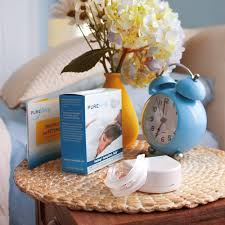
It’s tough when your bedroom, a place that should feel like a sanctuary, starts feeling like a source of stress. You want good sleep. You want a healthy space. But figuring out where to start can feel overwhelming. Many of us end up just accepting a bedroom that isn’t quite right. Let’s change that. This guide will walk you through making your bedroom a truly healthy, restful haven. We’ll focus on simple steps to create a non-toxic sleep zone. You’ll learn how to make lasting changes for better sleep and well-being.
Your bedroom should be a safe, healthy space for restful sleep. Automating non-toxic practices means less work for you and a better environment. This involves choosing the right materials, managing air quality, and creating calm. It helps you relax and sleep better each night.
Understanding Your Non-Toxic Bedroom
What exactly makes a bedroom “non-toxic”? It’s about minimizing things that can harm your health. This includes chemicals in furniture, bedding, paints, and even dust.
These things can affect your breathing and your sleep quality. It’s not about living in a sterile bubble. It’s about making smart choices for your home.
Think about the air you breathe all night. It matters a lot. Many common household items release tiny particles into the air.
These are called volatile organic compounds, or VOCs. They can come from new furniture, cleaning products, and even some mattresses. Over time, these can build up.
Your sleep space is where you spend many hours. Making it healthy means less exposure to these irritants. This can lead to deeper sleep.
It can also mean fewer allergy symptoms. You might even find you feel more energetic during the day. It’s a win-win for your health.
My Bedroom Detox Journey
I remember one particularly rough patch. I was having trouble sleeping. I’d toss and turn for hours.
My nose felt stuffy almost every morning. I tried everything – blackout curtains, white noise machines. Nothing seemed to make a big difference.
Then, a friend mentioned the importance of a non-toxic bedroom. I was skeptical at first. My bedroom looked fine, clean even.
But I decided to try just one thing: changing my old polyester duvet for a natural one made of wool. The change was subtle but noticeable. I woke up feeling a little less stuffy.
That small win gave me the push to look deeper. I started noticing how much stuff was in my room that I hadn’t really thought about. It felt like a big project, but one step at a time felt doable.
Quick Check: What’s in Your Bedroom?
Bedding: Cotton, linen, wool, bamboo are good choices. Avoid synthetic blends. Think about dyes too.
Mattress: Natural latex, organic cotton, or wool are best. Look for certifications.
Paint: Low-VOC or zero-VOC paints are key. Always check labels.
Furniture: Solid wood is better than pressed wood. Look for natural finishes.
Core Elements of a Non-Toxic Sleep Environment
Creating a healthy bedroom involves a few key areas. We need to think about what we bring into the room. We also need to consider how we keep it clean.
And importantly, we need to manage the air quality. These are the main pillars for a good sleep space.
1. Material Choices
This is a big one. What your bed is made of matters. Your mattress is the largest item.
Many mattresses use polyurethane foam. This foam can off-gas chemicals. Natural latex is a great alternative.
Organic cotton and wool are also good options for mattresses and bedding. They breathe better too.
Think about your sheets, blankets, and pillows. Many are made with synthetic materials. These can trap heat.
They might also contain chemical dyes. Look for fabrics like organic cotton, linen, hemp, or Tencel. These are natural and breathable.
They help regulate your body temperature during sleep.
Even the paint on your walls plays a role. Conventional paints can release VOCs. These chemicals can linger for months.
Opt for low-VOC or zero-VOC paints. Many brands offer these now. They have less impact on your indoor air.
You can also choose natural plasters.
Furniture is another area. Particleboard and MDF furniture often use formaldehyde glues. This is a chemical that can be harmful.
Solid wood furniture is a better choice. If you can’t afford solid wood, look for items with low formaldehyde emissions. Check labels carefully.
2. Air Quality Management
Fresh air is vital for good sleep. Your bedroom needs good ventilation. Even in winter, open a window for a few minutes each day.
This helps clear out stale air. It also reduces the buildup of pollutants.
Dust is a major allergen. It can clog your airways. It can make your sleep restless.
Regular dusting is important. Use a damp cloth or a microfiber cloth. This traps dust instead of just moving it around.
Vacuum carpets and rugs often. Consider a vacuum with a HEPA filter.
Plants can help clean the air. Certain houseplants are known for their air-purifying qualities. NASA even studied this.
Snake plants, spider plants, and peace lilies are good choices. They can absorb some common indoor pollutants. Plus, they add a nice touch of nature.
Air purifiers can also be a great help. Look for a purifier with a HEPA filter. This is essential for trapping fine particles.
Some purifiers also have activated carbon filters. These help remove odors and gases. Place one in your bedroom for cleaner air while you sleep.
Avoid strong air fresheners. Many contain phthalates and other chemicals. These can irritate your lungs.
Instead, use natural methods. Simmering citrus peels or adding a few drops of essential oil to a diffuser can add a nice scent. But use essential oils sparingly and ensure good ventilation.
3. Reducing Electromagnetic Fields (EMFs)
This is a topic that sparks a lot of discussion. EMFs are energy fields from electronic devices. Things like Wi-Fi routers, cell phones, and smart meters emit them.
Some people are sensitive to these fields. While research is ongoing, many choose to reduce their exposure.
Try to keep electronics out of the bedroom. If you use a smart device for alarms, consider a simpler model. Or put it in airplane mode at night.
If you must have Wi-Fi, consider turning it off at night. You can also use a wired internet connection.
Avoid placing electronic devices close to your head. For example, don’t charge your phone on your nightstand if you can avoid it. If you use an electric blanket, consider a wool blanket instead.
These are small steps that can make a difference for some people.
Smart Material Swaps
Instead of: Synthetic bedding (polyester, nylon)
Try: Organic cotton, linen, Tencel, bamboo, wool.
Instead of: Conventional mattress (polyurethane foam)
Try: Natural latex, organic cotton, wool mattress.
Instead of: Low-VOC paint
Try: Zero-VOC paint or natural plaster.
Instead of: Particle board furniture
Try: Solid wood furniture or items with low formaldehyde.
Automating Non-Toxic Bedroom Practices
The idea of “automating” might sound high-tech. But in this context, it means setting up systems. It means making smart choices upfront.
These choices then require less daily effort. It’s about creating a self-sustaining healthy environment.
Setting Up Your Sleep Sanctuary
When you first set up your bedroom, think about the foundation. Choosing a mattress and bedding made from natural, breathable materials is a major automation. You buy it once, and it works for you for years.
You don’t have to worry about it off-gassing daily.
Painting your walls with low-VOC paint is another key step. Once it’s done, the air quality is improved for the long term. You don’t need to constantly air out the room because of paint fumes.
This is automation through smart initial choices.
Consider furniture. Buying solid wood pieces means you avoid formaldehyde. This is a chemical that can off-gas for a long time.
A solid wood dresser or bed frame is a healthier choice. It’s a one-time purchase that provides ongoing benefits.
Daily Habits for Clean Air
Even with good choices, daily habits help. One simple automation is a morning routine. Open your windows for 10-15 minutes when you wake up.
This lets fresh air circulate. It clears out the air from the night. It’s a small step that has a big impact.
Using a good quality air purifier is also a form of automation. You set it up, plug it in, and it runs. It continuously cleans the air.
You just need to change the filter as recommended. This is automated air quality improvement.
Dealing with dust is a constant task. But you can automate it somewhat. Using a damp cloth for dusting captures dust well.
This is more efficient than dry dusting. Regularly vacuuming with a HEPA filter removes dust from surfaces. Setting a reminder to do this weekly makes it a habit.
Water plants can also be thought of as living air filters. They are a natural, low-effort way to improve air quality. As long as they are watered, they do their job.
This is a green automation for your bedroom.
Smart Choices for Bedding and Linens
When it comes to bedding, making the right choice once is automation. Buying high-quality organic cotton or linen sheets means they last longer. They also feel better against your skin.
Natural fibers are breathable. They help keep you cool in the summer and warm in the winter.
Choosing natural fillings for duvets and pillows is also key. Wool, down (ethically sourced), or buckwheat hulls are good options. These materials don’t off-gas chemicals like synthetic fills.
They are naturally hypoallergenic for many people.
Washing your bedding regularly is important. But the type of detergent you use matters. Opt for unscented, natural laundry detergents.
Avoid harsh chemicals and artificial fragrances. This ensures your clean sheets don’t introduce new toxins.
Automated Airflow Tip
Morning Open Window: As soon as you get up, open your bedroom window. Let it stay open for 10-15 minutes. This is especially important if you have sealed windows or live in a busy area.
It helps remove sleep-time CO2 buildup.
Air Purifier Use: Run your HEPA air purifier on a low setting during the day and a higher setting while you sleep. This ensures a constant stream of cleaner air.
Plant Power: Assign one person in the household to water the air-purifying plants on a schedule. This ensures they stay healthy and effective.
Real-World Context: Your Bedroom Environment
Let’s think about where this all happens. It’s your bedroom. This is your personal space.
It’s where you go to rest and recharge. The environment here directly impacts your ability to do that. A cluttered, chemically-laden room works against rest.
Think about how you use your bedroom. Is it just for sleep? Or do you also work or use screens in bed?
The more activities you do, the more likely you are to bring in outside influences. For example, if you work from home, you might bring in office supplies or electronics. These can contribute to indoor air pollution.
Habits play a big role. Do you let shoes into the bedroom? Shoes can track in dirt and chemicals from outside.
Do you eat in your bedroom? Food particles can attract pests and dust. Simple habits like keeping food out and having a designated “shoe-free” zone can help.
The design of your room also matters. If you have wall-to-wall carpeting, it can trap dust and allergens. Hardwood or laminate floors are easier to clean.
Heavy drapes can also collect dust. Lighter, washable curtains are a better option.
User behavior is the most important part. Are you conscious of the items you bring into your room? Do you read labels before buying new products?
Do you have a routine for cleaning and airing out your space? These actions are what make the non-toxic bedroom a reality.
Contrast Matrix: Bedroom Toxins
Myth: My bedroom looks clean, so it must be healthy.
Reality: Hidden toxins exist in many common items. Dust and VOCs are invisible but can impact health and sleep.
Myth: Air purifiers are expensive and not worth it.
Reality: A good HEPA air purifier can significantly improve air quality, especially for allergy sufferers. Consider it an investment in health.
Myth: Natural materials are always more expensive.
Reality: While some natural items have a higher upfront cost, they often last longer. This can make them more cost-effective over time.
What This Means For You: Normal vs. Concerning
It’s important to know when things are normal and when they might be a sign of a problem. Creating a non-toxic bedroom is a journey. Not everything will be perfect from day one.
There’s a spectrum of “healthy.”
When it’s Normal
A slight new smell from a new piece of furniture is normal. It usually fades as it airs out. A little dust is also normal.
Even with regular cleaning, some dust will accumulate. Feeling a bit stuffy in the morning occasionally can happen. Many factors influence this.
A room that feels a bit warmer than you like is also normal. It might mean your bedding isn’t as breathable as it could be. Or maybe the insulation isn’t ideal.
These are environmental factors, not necessarily toxic ones.
You might notice a faint smell from cleaning products. If you use natural cleaners, this is usually not a concern. It should dissipate quickly.
If you notice strong chemical smells that linger, that’s different.
When to Worry
If you or your family members experience persistent headaches, dizziness, or nausea. Especially if these symptoms improve when you leave the bedroom. This could point to poor indoor air quality.
It might be VOCs off-gassing from materials.
Constant allergy symptoms are a red flag. This includes sneezing, itchy eyes, runny nose, or asthma flare-ups. These can be triggered by dust mites, mold, or chemicals in the room.
If you have trouble sleeping regularly. This means waking up often, feeling unrested, or having difficulty falling asleep. Your bedroom environment could be a major factor.
Poor air quality or uncomfortable temperatures can disrupt sleep cycles.
Strange or strong odors that don’t go away are concerning. This could be mold, mildew, or off-gassing from materials. It’s important to identify and address these smells.
Simple Checks You Can Do
Feel the Air: Does the air feel dry, stuffy, or heavy? This might indicate poor ventilation or high humidity.
Smell Test: Do you notice any unusual or persistent chemical smells? Are they stronger at certain times of day?
Dust Levels: Is dust building up very quickly on surfaces, even after cleaning? This could mean a problem with air circulation or filtration.
Sleep Quality: Are you consistently waking up feeling tired? Keep a sleep journal to track patterns.
Observational Flow: Improving Sleep Air
Start: Notice morning stuffiness/trouble sleeping.
Step 1: Open windows daily for 15 mins. (Air quality improvement)
Step 2: Add 1-2 air-purifying plants. (Natural air filtration)
Step 3: Invest in a HEPA air purifier. (Active air cleaning)
Step 4: Switch to natural bedding materials. (Reduced chemical exposure)
Step 5: Regularly clean and dust with microfiber cloths. (Dust removal)
End: Experience deeper sleep and wake up refreshed.
Quick Fixes and Tips for a Healthier Room
Sometimes you need small, actionable steps. These are quick things you can do right away. They help improve your bedroom environment without a huge overhaul.
- Wash New Bedding: Always wash new sheets and duvet covers before using them. This removes any residual chemicals from manufacturing.
- Use Natural Cleaning Products: Switch to vinegar, baking soda, or plant-based cleaners. Avoid harsh chemicals with strong fragrances.
- Declutter Regularly: Less stuff means less dust to collect. Plus, a tidy room is more relaxing.
- Manage Humidity: Use a dehumidifier if your room is too humid. High humidity can encourage mold growth. Aim for 40-60% humidity.
- Consider a Bedside Lamp: Reduce screen time before bed. Use a soft, warm bedside lamp for reading instead of bright overhead lights.
- Dust Mite Covers: If dust mites are an issue, use allergen-proof covers for your mattress and pillows.
These small adjustments add up. They contribute to a more peaceful and healthy sleep space. Remember, it’s about consistent effort, not perfection.
Frequent Questions About Non-Toxic Bedrooms
What are the most common bedroom toxins I should worry about?
Common toxins include VOCs (volatile organic compounds) from paints, furniture, and bedding. Formaldehyde is another concern from particleboard. Dust mites, mold spores, and chemicals in cleaning products are also issues.
Synthetic materials in bedding and mattresses can also off-gas.
How can I make my bedroom non-toxic on a budget?
Start with simple steps like airing out your room daily. Focus on natural cleaning products like vinegar and baking soda. Buy second-hand solid wood furniture if possible.
Choose natural fibers like cotton or linen when you can afford to replace bedding. Look for sales and discounts on organic products.
Is it necessary to have an air purifier in a non-toxic bedroom?
While not strictly necessary if you have excellent ventilation and minimal toxins, an air purifier can be very beneficial. It actively removes airborne particles like dust, pollen, and VOCs. A HEPA filter is the most important feature to look for.
What is the best mattress material for a non-toxic bedroom?
Natural latex, organic cotton, and wool are generally considered the best options. Natural latex is durable and breathable. Organic cotton is soft and hypoallergenic.
Wool is naturally flame-retardant and temperature-regulating. Avoid mattresses made primarily of conventional polyurethane foam.
How often should I clean my non-toxic bedroom to keep it healthy?
Aim for regular dusting with a damp cloth at least once a week. Vacuum carpets and rugs twice a week, or more if you have pets. Wash bedding weekly in hot water.
Clean windows and floors regularly. The frequency depends on your living conditions and sensitivities.
Can plants really help make my bedroom non-toxic?
Yes, certain plants can help improve indoor air quality. They filter out some common pollutants. Plants like snake plants, spider plants, and peace lilies are known for this.
They also add a calming, natural element to your room.
Conclusion: Your Healthiest Sleep Awaits
Creating a non-toxic bedroom is an investment in your health and well-being. It’s about making conscious choices that support restful sleep. Small, consistent steps can lead to significant improvements.
Start with what feels manageable and build from there. Your healthy sleep sanctuary is within reach.